
ICE Enforcement Draws Scrutiny Over Deaths, Citizen Detentions, and Public Backlash

Cover image from thefederalist.com, which was analyzed for this article
Immigrants dying in ICE facilities and US citizens wrongly detained draw scrutiny amid deportation campaigns. Oklahoma communities gutted by enforcement actions. Americans back mass deportations but grapple with implementation challenges.
PoliticalOS
Friday, May 15, 2026 — Politics
Public support for deportations coexists with documented oversight reductions and isolated citizen detentions that test implementation limits. The core unresolved issue is whether current enforcement volume can continue without independent complaint mechanisms or clearer targeting protocols. Readers should weigh collective fiscal and safety impacts against individual cases when assessing sustainability.
What outlets missed
Most coverage omitted that the OIDO closure followed a congressional funding lapse rather than a unilateral directive, as noted in DHS appropriations statements. Few outlets reported the exact scale of 287(g) agreements in Oklahoma or the revenue figures for private facilities like Diamondback. Details on the criminal records of many Oklahoma arrestees, including DUIs and re-entry violations from ICE releases, received little attention outside agency statements. The Supreme Court concurrence allowing brief stops based on occupation and language in targeted operations was rarely referenced in citizen detention stories. Poll breakdowns showing stronger support for deporting those with criminal convictions than for blanket removals were downplayed across outlets.
ICE Enforcement Advances as Redundant Oversight Office Closes
The Department of Homeland Security has dissolved the Office of the Immigration Detention Ombudsman, eliminating roughly 110 positions that previously handled complaints from immigration facilities. Officials described the move as a step to reduce overlapping bureaucracy within the agency. The office, established by Congress in 2019, operated alongside existing inspector general and civil rights divisions, and its closure follows broader efforts to prioritize direct enforcement over additional layers of review.
Operations in states like Oklahoma illustrate the scale of current activity. Local law enforcement agencies have expanded cooperation through 287(g) agreements, allowing state troopers and officers to identify and detain individuals present unlawfully. More than 1,300 arrests have occurred in the state since the policy expansion, often during routine traffic stops or workplace encounters. Abandoned vehicles at arrest sites frequently contain work tools and daily supplies, underscoring that many of those detained held jobs in construction, maintenance, and service sectors.
Public opinion polls show consistent majority support for removing people who entered or remained in the country illegally. A recent Harvard-Harris survey found 55 percent backing full deportation of illegal immigrants, reflecting widespread concern over wage competition, housing costs, and strain on public services. At the same time, polls register discomfort with visible enforcement tactics, a pattern that echoes longstanding gaps between collective policy preferences and tolerance for individual cases played out in public view.
Incidents involving U.S. citizens have drawn scrutiny, including repeated detentions of Leonardo Garcia Venegas in Alabama. Agents detained him three times despite his citizenship documentation, prompting lawsuits and congressional questions. Similar cases, such as the arrest of Christian Cerna in California, involved aggressive tactics including flash-bang devices during stops near family members. Administration defenders note these represent a small fraction of total actions and argue that verification challenges arise when documentation is disputed or when individuals are encountered in group settings.
Critics of the broader immigration framework trace many current difficulties to the 1965 Hart-Celler Act. That law shifted selection criteria toward family reunification and certain employment categories, altering inflows away from earlier European sources and toward Latin America and Asia. Observers contend the change embedded assumptions that cultural compatibility and assimilation requirements were secondary to numerical targets, contributing to persistent integration shortfalls in language, employment, and legal compliance. Proposals to revisit the act emphasize skills-based selection and clearer expectations for newcomers to adopt core American norms.
Data on detention conditions and releases remain contested. With the ombudsman office gone, monitoring now falls more heavily on the inspector general and internal compliance units. Proponents of the restructuring maintain that enforcement agencies perform best when focused on core functions rather than sustaining parallel complaint bureaucracies that slow removals. Enforcement records show continued arrests and deportations proceeding across multiple states, even as media coverage highlights procedural friction and occasional errors.
The pattern aligns with basic observations about incentives. Weak border controls and lax interior enforcement encourage further unlawful entries, while visible removals impose immediate costs on violators and send signals to potential future migrants. Historical experience demonstrates that immigration systems succeed when they enforce clear rules consistently rather than layering additional oversight that dilutes accountability.
You just read Conservative's take. Want to read what actually happened?
More in Politics
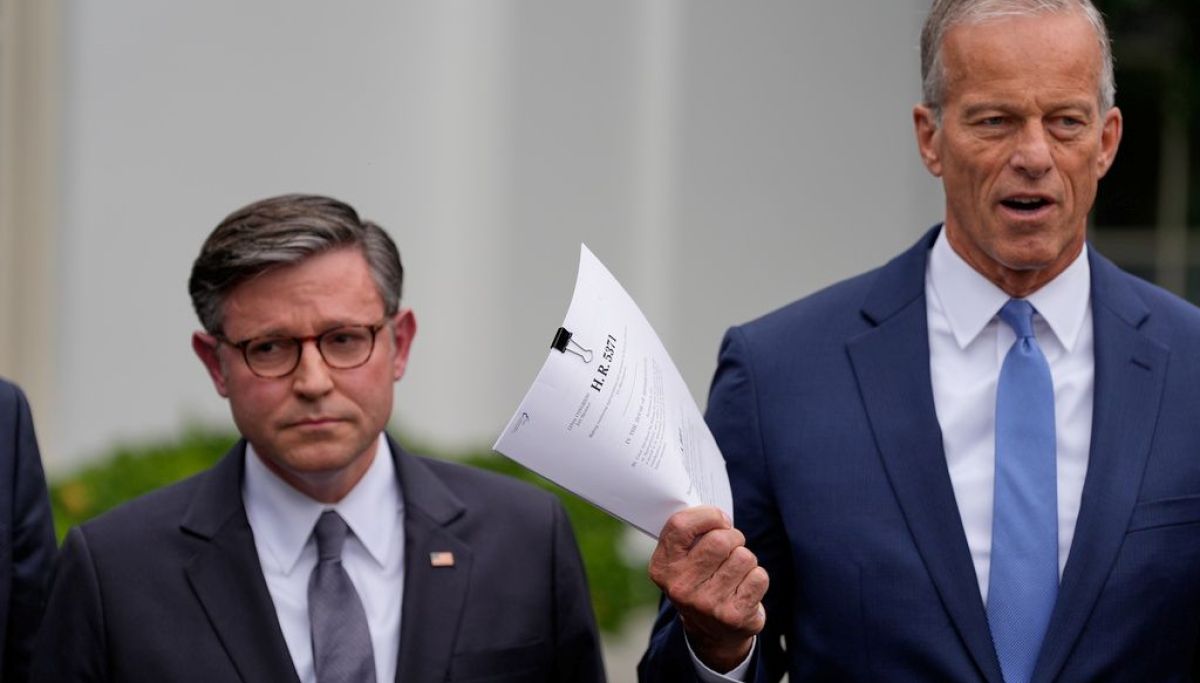
Trump at 32% Approval as Gas Prices Test GOP Midterm Hopes
NYT/Siena polling showed Trump's approval at historic lows around 32 percent with Democrats leading by double digits in key districts. Early voting has surged in battleground states.

Record Early Voting Hits Battlegrounds, Shifting Partisan Shares
AP analysis found hundreds of thousands more early ballots than in 2022 in states including Texas, Ohio, Kansas, Maine, and North Carolina, shifting partisan dynamics.
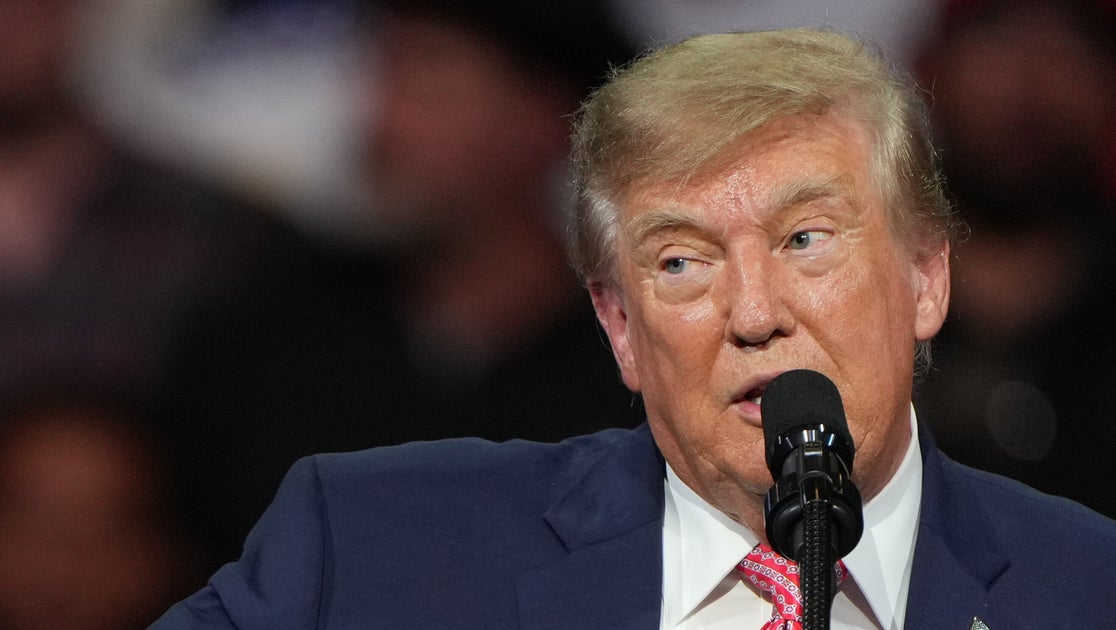
Trump Backs Marshall in Kansas Senate Race Tightened by Farm Costs
President Trump rallied in deep-red Kansas for GOP Sen. Roger Marshall in a competitive race, announcing an $8 billion farm fuel relief program amid high diesel prices. Democrats see an opening to end 94 years of GOP dominance in the state.

Trump Pauses Russia Sanctions Amid Ukraine Tensions and Missile Strikes
Trump waived sanctions on Russia and floated trilateral talks with Putin and Xi as part of ending the Ukraine war, while tensions rose with Zelenskyy over Starlink and arms. Bipartisan senators engaged Zelenskyy amid the shifts.
The Compass
You just read five takes on one story.
What's your take? Find your political shape in a few minutes.
Take the test