
ICE Enforcement Draws Scrutiny Over Deaths, Citizen Detentions, and Public Backlash

Cover image from thefederalist.com, which was analyzed for this article
Immigrants dying in ICE facilities and US citizens wrongly detained draw scrutiny amid deportation campaigns. Oklahoma communities gutted by enforcement actions. Americans back mass deportations but grapple with implementation challenges.
PoliticalOS
Friday, May 15, 2026 — Politics
Public support for deportations coexists with documented oversight reductions and isolated citizen detentions that test implementation limits. The core unresolved issue is whether current enforcement volume can continue without independent complaint mechanisms or clearer targeting protocols. Readers should weigh collective fiscal and safety impacts against individual cases when assessing sustainability.
What outlets missed
Most coverage omitted that the OIDO closure followed a congressional funding lapse rather than a unilateral directive, as noted in DHS appropriations statements. Few outlets reported the exact scale of 287(g) agreements in Oklahoma or the revenue figures for private facilities like Diamondback. Details on the criminal records of many Oklahoma arrestees, including DUIs and re-entry violations from ICE releases, received little attention outside agency statements. The Supreme Court concurrence allowing brief stops based on occupation and language in targeted operations was rarely referenced in citizen detention stories. Poll breakdowns showing stronger support for deporting those with criminal convictions than for blanket removals were downplayed across outlets.
ICE Enforcement Tightens as Redundant Watchdog Office Closes
The Department of Homeland Security has eliminated its Office of the Immigration Detention Ombudsman, ending a layer of bureaucracy that critics long viewed as duplicative and counterproductive to effective enforcement. The move, finalized in May after notices went out in March, affected roughly 110 staff members who were placed on administrative leave before separation. Officials described the office as overlapping with existing inspector general functions and civil rights reviews already handled inside the department.
Proponents of stricter immigration controls welcomed the change. They argued that independent monitors placed inside facilities had slowed operations without improving outcomes for detainees or agents. Data from recent months shows continued deaths in custody, a problem that predates the current administration and traces back to chronic overcrowding and medical shortfalls inherited from years of record border crossings. Removing another layer of oversight, supporters say, frees resources for actual processing and removal rather than endless internal complaints.
Field operations reflect the shift toward speed. In Oklahoma, more than thirty local agencies now operate under 287(g) agreements that allow state troopers and deputies to perform immigration checks during routine stops. Over 1,300 arrests have occurred in the state since the expanded partnerships took hold. Abandoned vehicles along highways and suburban streets tell part of the story: work trucks left with tools and lunch containers inside, drivers taken into custody before they can return to jobs or families. Local leaders in a state that backed enforcement measures overwhelmingly view these actions as long overdue corrections to policies that previously left communities bearing the costs of illegal labor and strained services.
Public opinion tracks with the operational push. Recent surveys show majority support for removing people present unlawfully, even as some respondents express unease when footage of specific arrests circulates. The tension arises because enforcement happens in plain view. Americans broadly favor restoring order at the border and inside the interior, yet they recoil from the visible mechanics of handcuffs and squad cars. Historical patterns suggest this gap narrows once results become tangible, such as reduced pressure on housing markets and schools in high-arrival areas.
Incidents involving U.S. citizens have drawn attention, including repeated stops of individuals who insist on their status. One Alabama resident reported three encounters, while another California driver faced a forceful stop captured on video. Officials maintain that agents operate on databases and tips that sometimes lag or contain errors. They note that swift release follows verification in most disputed cases, and lawsuits remain available for any genuine overreach. These episodes, while regrettable, occur against a backdrop of millions of encounters at the border in prior years that overwhelmed vetting systems.
The deeper policy failure lies in the 1965 immigration framework that prioritized family chains and certain employment categories over national cohesion and skills. That structure accelerated demographic change without corresponding assimilation requirements, leaving enforcement agencies to manage the downstream effects. Current removals target the most recent arrivals first, focusing on those with criminal records or recent unlawful entry. Communities that absorbed large numbers of new residents under looser rules are now seeing measurable relief as interior enforcement resumes.
The shuttered ombudsman office was never the primary safeguard against mistreatment. Existing criminal investigations and congressional oversight continue. What changed is the removal of an entity that often functioned as a drag on timely decisions rather than a guarantor of safety. With enforcement momentum building, the emphasis has moved from process complaints to restoring the basic expectation that immigration laws apply to everyone inside the country.
You just read America First's take. Want to read what actually happened?
More in Politics
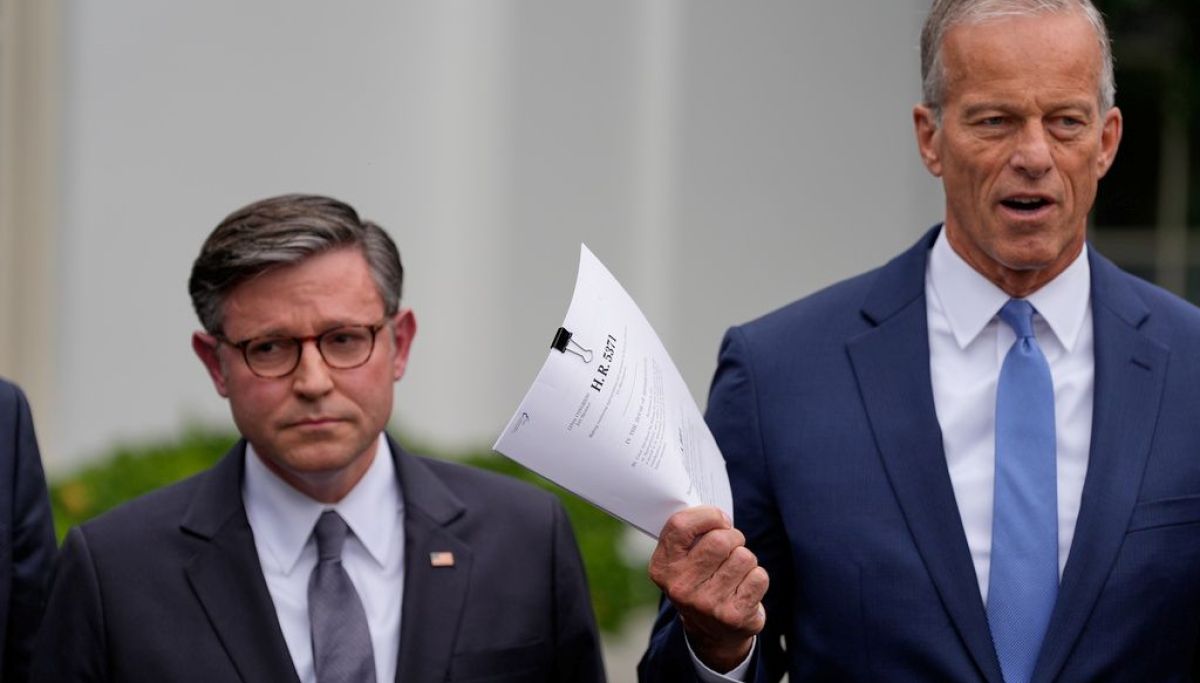
Trump at 32% Approval as Gas Prices Test GOP Midterm Hopes
NYT/Siena polling showed Trump's approval at historic lows around 32 percent with Democrats leading by double digits in key districts. Early voting has surged in battleground states.

Record Early Voting Hits Battlegrounds, Shifting Partisan Shares
AP analysis found hundreds of thousands more early ballots than in 2022 in states including Texas, Ohio, Kansas, Maine, and North Carolina, shifting partisan dynamics.
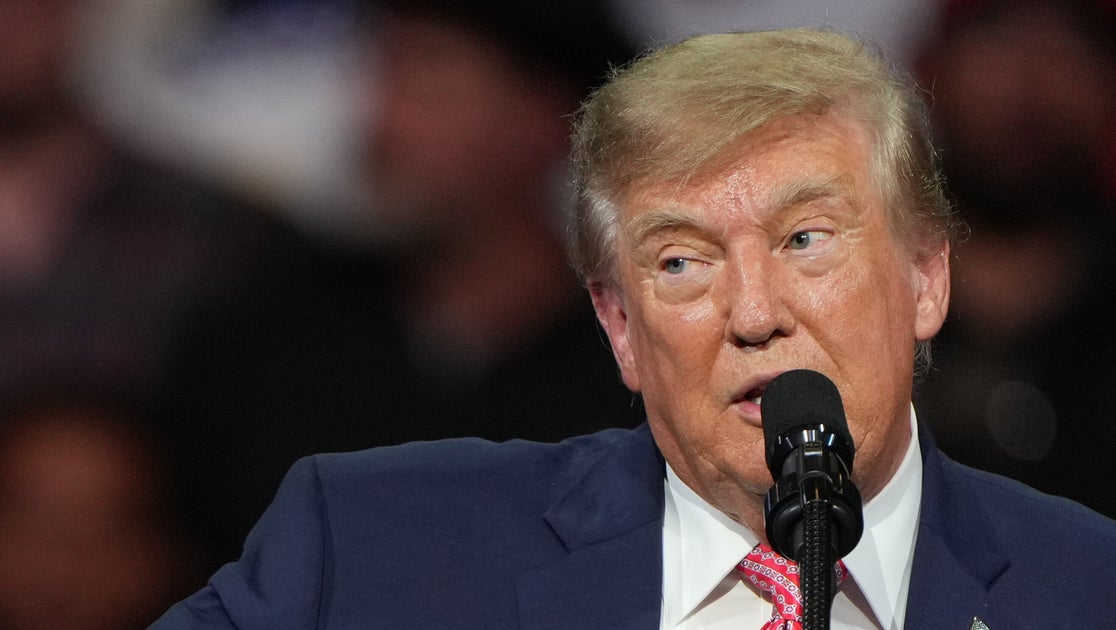
Trump Backs Marshall in Kansas Senate Race Tightened by Farm Costs
President Trump rallied in deep-red Kansas for GOP Sen. Roger Marshall in a competitive race, announcing an $8 billion farm fuel relief program amid high diesel prices. Democrats see an opening to end 94 years of GOP dominance in the state.

Trump Pauses Russia Sanctions Amid Ukraine Tensions and Missile Strikes
Trump waived sanctions on Russia and floated trilateral talks with Putin and Xi as part of ending the Ukraine war, while tensions rose with Zelenskyy over Starlink and arms. Bipartisan senators engaged Zelenskyy amid the shifts.
The Compass
You just read five takes on one story.
What's your take? Find your political shape in a few minutes.
Take the test