
ICE Enforcement Draws Scrutiny Over Deaths, Citizen Detentions, and Public Backlash

Cover image from thefederalist.com, which was analyzed for this article
Immigrants dying in ICE facilities and US citizens wrongly detained draw scrutiny amid deportation campaigns. Oklahoma communities gutted by enforcement actions. Americans back mass deportations but grapple with implementation challenges.
PoliticalOS
Friday, May 15, 2026 — Politics
Public support for deportations coexists with documented oversight reductions and isolated citizen detentions that test implementation limits. The core unresolved issue is whether current enforcement volume can continue without independent complaint mechanisms or clearer targeting protocols. Readers should weigh collective fiscal and safety impacts against individual cases when assessing sustainability.
What outlets missed
Most coverage omitted that the OIDO closure followed a congressional funding lapse rather than a unilateral directive, as noted in DHS appropriations statements. Few outlets reported the exact scale of 287(g) agreements in Oklahoma or the revenue figures for private facilities like Diamondback. Details on the criminal records of many Oklahoma arrestees, including DUIs and re-entry violations from ICE releases, received little attention outside agency statements. The Supreme Court concurrence allowing brief stops based on occupation and language in targeted operations was rarely referenced in citizen detention stories. Poll breakdowns showing stronger support for deporting those with criminal convictions than for blanket removals were downplayed across outlets.
ICE Operations Intensify as Oversight Mechanisms Are Dismantled
Immigration enforcement has accelerated under the current administration with large-scale arrests carried out in public spaces across multiple states. In Oklahoma, more than thirty local law enforcement agencies now operate under agreements that allow them to perform immigration checks, contributing to over 1,300 detentions in recent months. Vehicles abandoned on highways and suburban streets after stops have left behind work tools, safety vests and family items, illustrating how quickly daily routines are interrupted.
At the same time, the Department of Homeland Security has eliminated its Office of the Immigration Detention Ombudsman. The office, established by Congress in 2019 to investigate complaints inside ICE and Customs and Border Protection facilities, employed roughly 110 staff members who conducted on-site monitoring. Its dissolution in March left former employees, including longtime immigration attorney Allison Posner, on administrative leave until formal separation in May. Without this independent channel, oversight now falls entirely to the Office of Inspector General and the Office for Civil Rights and Civil Liberties, both of which have narrower mandates and fewer resources dedicated to daily detention conditions.
Several documented cases have raised questions about how enforcement affects U.S. citizens. Leonardo Garcia Venegas, a 26-year-old Alabama resident with a valid REAL ID, has been detained by immigration agents three times in the past year. The most recent incident occurred on May 2 when agents followed him home and again questioned his citizenship despite the identification he presented. Garcia Venegas, who has sued the administration, described the repeated encounters as a source of ongoing stress that affects his ability to drive to work without anticipating another stop.
In Los Angeles, carpenter Christian Cerna was driving with his partner and two young children when agents rammed his car, deployed flash-bang grenades and pointed rifles at the vehicle. Cerna, a lifelong U.S. citizen, was targeted after an earlier protest confrontation. Court records later described the operation as an effort to impose extrajudicial punishment, and footage of the arrest was posted online by the agency. A federal judge found the tactics went beyond standard procedure.
Public opinion data shows divided reactions to these developments. A Harvard-Harris poll from April found that 55 percent of respondents support deporting all people present unlawfully. A separate Politico survey conducted the same month indicated that 51 percent view the current pace of enforcement as too aggressive. Analysts note that broad support for removals often drops when specific enforcement methods and individual cases become visible.
The underlying legal framework remains the 1965 Hart-Celler Act, which shifted immigration priorities toward family ties and certain employment categories. Critics argue the statute has produced sustained inflows from Latin America and Asia while limiting selection based on assimilation potential. Supporters of the existing structure point out that it replaced an earlier national-origins system widely viewed as discriminatory. Any legislative overhaul would require congressional action that has not materialized despite repeated calls for reform.
These enforcement patterns and institutional changes occur against a backdrop of continued deaths in detention facilities and reduced avenues for independent review. How the administration balances expanded operations with procedural safeguards will determine the practical reach and public legitimacy of current policy.
You just read Liberal's take. Want to read what actually happened?
More in Politics
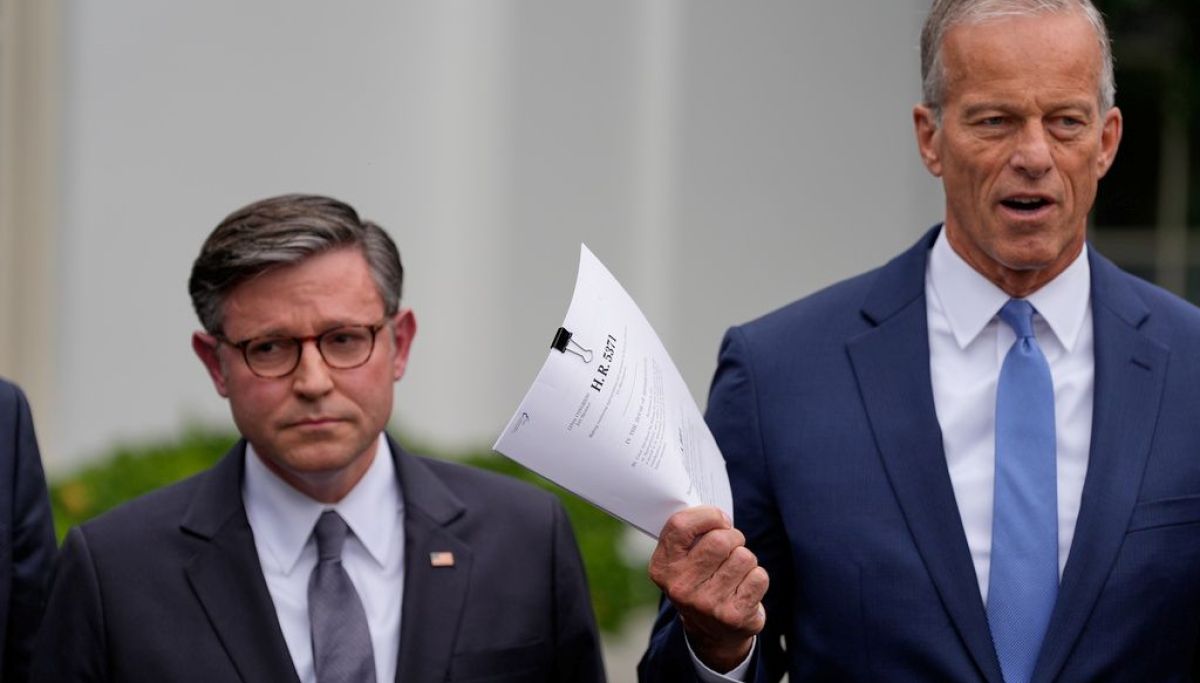
Trump at 32% Approval as Gas Prices Test GOP Midterm Hopes
NYT/Siena polling showed Trump's approval at historic lows around 32 percent with Democrats leading by double digits in key districts. Early voting has surged in battleground states.

Record Early Voting Hits Battlegrounds, Shifting Partisan Shares
AP analysis found hundreds of thousands more early ballots than in 2022 in states including Texas, Ohio, Kansas, Maine, and North Carolina, shifting partisan dynamics.
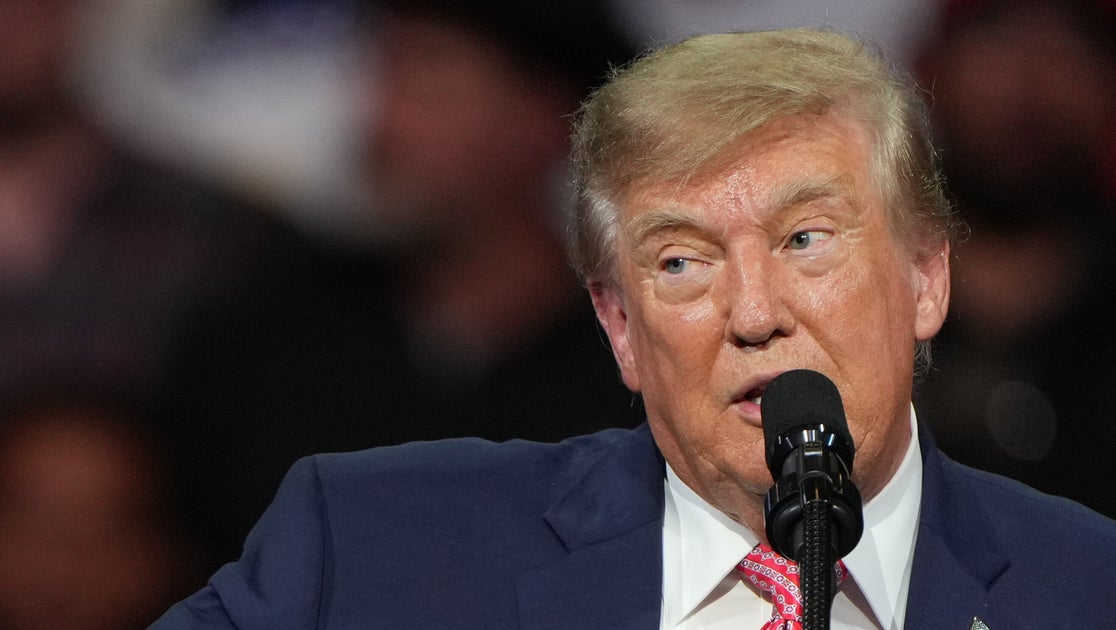
Trump Backs Marshall in Kansas Senate Race Tightened by Farm Costs
President Trump rallied in deep-red Kansas for GOP Sen. Roger Marshall in a competitive race, announcing an $8 billion farm fuel relief program amid high diesel prices. Democrats see an opening to end 94 years of GOP dominance in the state.

Trump Pauses Russia Sanctions Amid Ukraine Tensions and Missile Strikes
Trump waived sanctions on Russia and floated trilateral talks with Putin and Xi as part of ending the Ukraine war, while tensions rose with Zelenskyy over Starlink and arms. Bipartisan senators engaged Zelenskyy amid the shifts.
The Compass
You just read five takes on one story.
What's your take? Find your political shape in a few minutes.
Take the test