
ICE Acting Director Lyons Resigns as Deportation Drive Meets Backlogs and Local Strain

Cover image from chicago.suntimes.com, which was analyzed for this article
Todd Lyons, overseeing Trump's mass deportations, plans to resign by May's end as court battles intensify and application logjams heighten deportation risks for millions. The administration accelerates immigration courts for faster removals. Outlets debate enforcement effectiveness and humanitarian impacts.
PoliticalOS
Friday, April 17, 2026 — Politics
Todd Lyons' resignation caps a year of sharply increased deportations and court acceleration under the current administration, yet the immigration system still contends with massive backlogs in both legal applications and remaining court cases that leave millions in uncertain status. Local communities have absorbed unbudgeted costs from enforcement operations and protests, while asylum grant rates have plummeted and partisan disputes over tactics continue. The single most important reality is that systemic overload predates the current push; reforms have produced measurable enforcement gains but have not resolved underlying capacity problems.
What outlets missed
Most outlets underplayed the pre-existing growth in both USCIS and EOIR backlogs that began well before the current administration, including a doubling of certain pending cases during the prior four years. Concrete data on the criminal versus non-criminal composition of those removed under Lyons received limited treatment, with only partial figures appearing in local or bias analyses. The full scope of legal challenges to EOIR memos, including a pending Fourth Circuit case on judicial independence, went largely unmentioned. Broadview's experience, while covered in depth by one paper, was rarely connected to similar unreimbursed costs reported by a handful of other municipalities hosting federal facilities. Finally, cycles in the USCIS "frontlog" tied to fee changes and filing surges in 2023-2024 were omitted, obscuring whether recent increases reflect policy alone or predictable volume spikes.
Trump Policies Accelerate Deportations as Application Backlogs Reveal System Strain
The second Trump administration has markedly increased the pace of immigration enforcement, removing hundreds of thousands of individuals with criminal records while overhauling immigration courts to reduce asylum grants that had reached unsustainable levels under the previous administration. At the same time, a substantial backlog of nearly 12 million pending applications for legal immigration benefits continues to grow, leaving many applicants in prolonged uncertainty. The departure of Acting ICE Director Todd Lyons at the end of May caps a period of aggressive action that reversed four years of lax enforcement, though it also underscores the trade-offs inherent in restoring order to an overburdened system.
Department of Homeland Security Secretary Markwayne Mullin announced Lyons' resignation late Thursday, praising his leadership in jumpstarting an agency that had been constrained during the Biden years. Appointed in March 2025 after the White House sought faster results from his predecessor, Lyons oversaw more than 475,000 removals and nearly 379,000 arrests in his first year. Those figures represent substantial increases from the prior year's 271,484 removals and 113,431 arrests. Mullin credited Lyons with targeting murderers, rapists, pedophiles, terrorists and gang members, aligning with the administration's focus on public safety over expansive interpretations of humanitarian claims.
This enforcement push has been reinforced by structural changes in the immigration courts. Under President Biden, ICE prosecutors were directed to seek dismissals for cases involving migrants who did not pose immediate national security threats, effectively creating what one immigration attorney described as "get out of deportation free" cards. That approach, combined with record illegal crossings, produced a massive court backlog that allowed individuals to remain in the United States for years while their cases languished. The incentives were clear. Word spread globally that lengthy delays and high approval rates offered a path to prolonged presence regardless of legal merit.
The Trump administration responded by dismissing more than 100 immigration judges out of roughly 750, according to reports citing personnel data. Many of those removed had granted asylum at rates well above the current average. Asylum approvals have fallen to 7 percent under the reformed system, compared with roughly 50 percent during the Biden era. Immigration lawyers have taken notice. Texas-based attorney Dan Gividen told reporters he has stopped accepting cases before the immigration courts, citing the low probability of success even with strong facts and legal arguments. New York immigration attorney Matthew Kolken similarly described the prior policy of routine dismissals as disconnected from actual relief available under the law.
These changes reflect a recognition that incentives drive behavior. When the system signaled that illegal entry could lead to years of de facto permission to stay, more people came. The resulting overload strained every part of the immigration apparatus, from border facilities to federal court dockets to local communities pressed into service. In the Chicago suburb of Broadview, population 7,900, the consequences became painfully tangible. The village's longstanding ICE facility at 1930 Beach Street was pressed into use during last fall's enforcement surge, drawing protests and unexpected costs. Broadview incurred nearly $400,000 in unanticipated expenses, equivalent to about 10 percent of its discretionary budget. Unlike jurisdictions that contract with the federal government and recover more than their costs, Broadview has been left to absorb the burden while its mayor seeks reimbursement and even proposes converting the facility into a museum once operations wind down. Residents have largely avoided public comment, wary of further spotlight on their quiet community.
Meanwhile, U.S. Citizenship and Immigration Services data reviewed by NPR reveals nearly 12 million pending applications for benefits including citizenship, work permits and adjustments of status. Processing times have lengthened since last year, with a notable increase in the first three months of the current administration. Many applicants wait months simply for acknowledgment that their paperwork was received. Without such confirmation, individuals remain in legal limbo and face heightened enforcement risk if encountered by authorities.
The persistence of this application backlog, even as deportations accelerate, illustrates the difficulty of correcting years of accumulated policy distortion. Resources devoted to identifying, arresting and removing those who entered or remained unlawfully inevitably compete with routine adjudication of legal filings. Critics of the prior administration argue that encouraging millions of illegal crossings created an unmanageable volume that no amount of additional staffing could fully resolve without first restoring deterrence. Supporters of stricter enforcement point to the reduction in asylum grants and the removal of high-risk individuals as evidence that the system is finally prioritizing rule of law over volume.
Lyons' exit comes as the administration continues to deploy ICE personnel to Democratic-led cities, a move opponents have called politically motivated but which officials defend as necessary to address sanctuary policies that previously shielded criminal aliens from federal cooperation. His successor will inherit both the momentum of increased removals and the persistent challenge of a legal immigration system still wrestling with the consequences of past neglect.
The broader picture emerging in 2026 is one of recalibration. A backlog that grew under incentives for illegal entry cannot be cleared overnight, particularly when enforcement resources are directed first at removing threats. Whether the current approach ultimately reduces both illegal flows and legal delays will depend on sustained focus on consequences and incentives, principles long emphasized by scholars who study how policies shape human behavior. For now, the data show enforcement rising sharply even as the paperwork mountain grows, a reminder that repairing a damaged system involves difficult choices rather than painless solutions.
You just read Conservative's take. Want to read what actually happened?
More in Politics
Trump at 32% Approval as Gas Prices Test GOP Midterm Hopes
NYT/Siena polling showed Trump's approval at historic lows around 32 percent with Democrats leading by double digits in key districts. Early voting has surged in battleground states.

Record Early Voting Hits Battlegrounds, Shifting Partisan Shares
AP analysis found hundreds of thousands more early ballots than in 2022 in states including Texas, Ohio, Kansas, Maine, and North Carolina, shifting partisan dynamics.
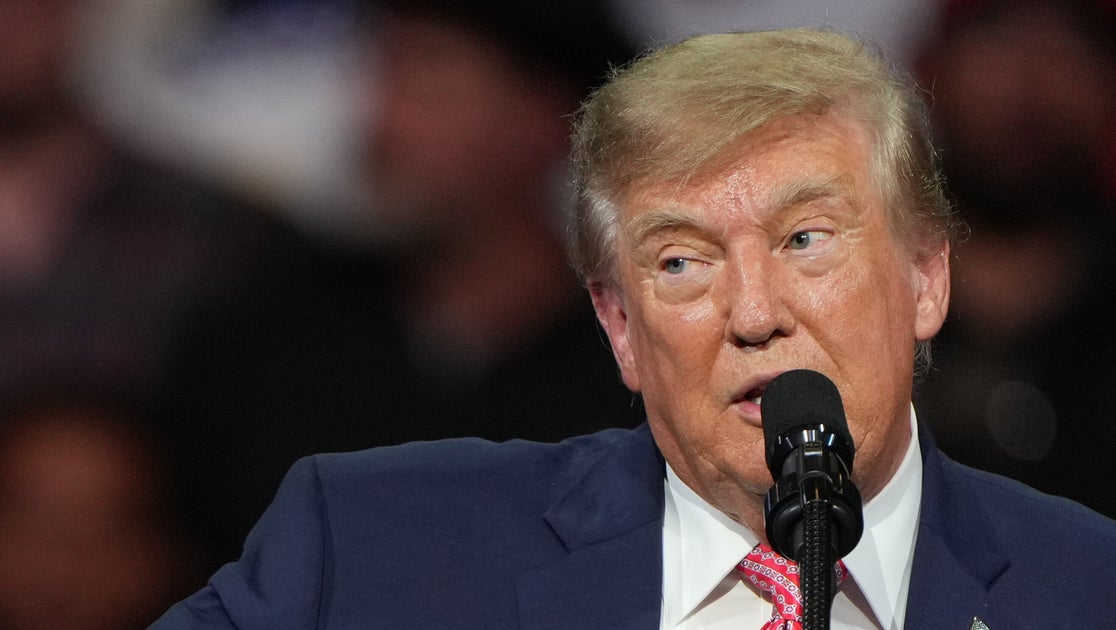
Trump Backs Marshall in Kansas Senate Race Tightened by Farm Costs
President Trump rallied in deep-red Kansas for GOP Sen. Roger Marshall in a competitive race, announcing an $8 billion farm fuel relief program amid high diesel prices. Democrats see an opening to end 94 years of GOP dominance in the state.

Trump Pauses Russia Sanctions Amid Ukraine Tensions and Missile Strikes
Trump waived sanctions on Russia and floated trilateral talks with Putin and Xi as part of ending the Ukraine war, while tensions rose with Zelenskyy over Starlink and arms. Bipartisan senators engaged Zelenskyy amid the shifts.
The Compass
You just read five takes on one story.
What's your take? Find your political shape in a few minutes.
Take the test