
Trump Deportation Drive Strains ICE, Targets California Policies
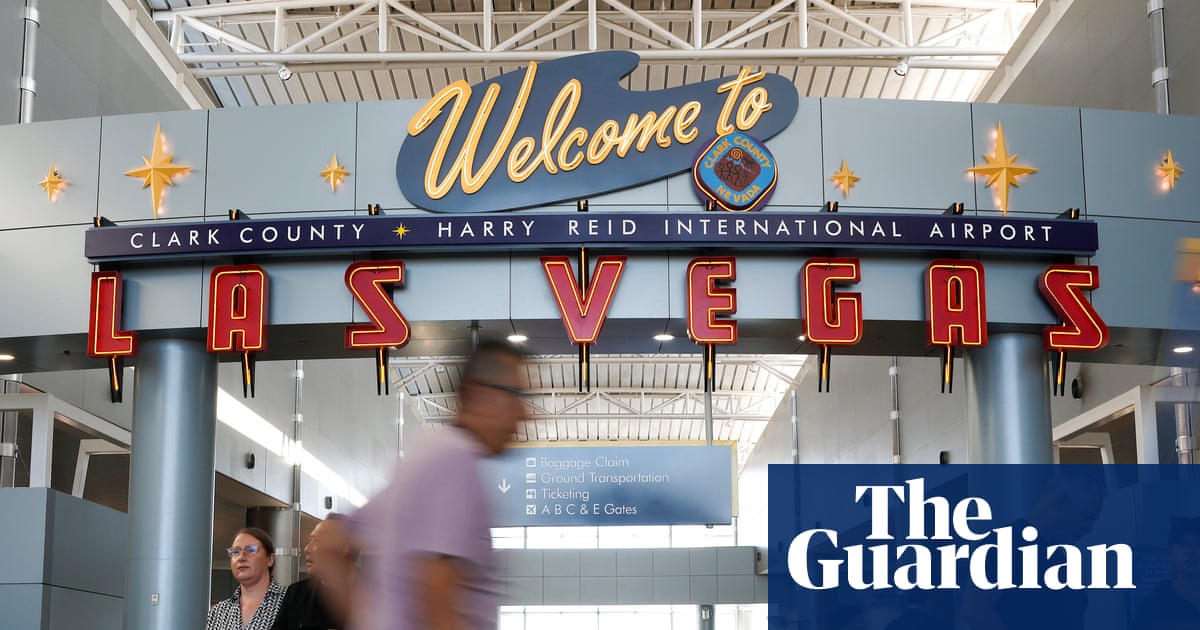
Cover image from theguardian.com, which was analyzed for this article
The administration continues aggressive deportation policies and criticizes sanctuary jurisdictions, even as some states aid removals; related civil rights agency changes have drawn scrutiny.
PoliticalOS
Sunday, July 19, 2026 — Politics
The administration’s deportation targets have produced the highest arrest rates on record, yet they coincide with documented strains inside ICE and a redirected civil rights division that now prioritizes California cases on gun rights and other new fronts. Sanctuary resistance and rapid operational growth remain the central unresolved tensions.
What outlets missed
None of the three articles quantified the share of arrests occurring in sanctuary jurisdictions versus cooperative ones, leaving unclear how much state non-cooperation has slowed removals. The pieces also omitted data on states that have affirmatively aided federal operations, such as through information sharing or facility access. Broader staffing figures showing Enforcement and Removal Operations roughly doubling since 2025 were referenced only partially, obscuring the baseline against which training and overtime complaints should be measured.
Federal immigration enforcement has accelerated sharply under the second Trump administration, producing roughly 900,000 arrests at a pace of about 1,600 per day, the highest rate recorded under any president. The effort collides with long-standing resistance from sanctuary jurisdictions, particularly California, while internal agency pressures and a reoriented Justice Department civil rights division add new layers of friction.
The Department of Homeland Security reported the arrest totals through mid-2026. White House deputy chief of staff Stephen Miller set a target of 3,000 arrests daily in a May 2025 meeting. ICE maintains roughly 6,000 Enforcement and Removal Operations officers, with another 10,000 recruits in the pipeline. Current and former officers told the Washington Examiner that overtime demands, canceled leave, and rapid hiring have produced burnout and questions about training adequacy. Two recent traffic stops in Maine and Texas ended in shootings of individuals not targeted for removal; a third person died in Florida after fleeing agents. DHS briefly considered pausing such stops before President Trump reaffirmed their use.
California has become the primary focus of parallel changes inside the Justice Department’s civil rights division. Led by Harmeet Dhillon, the division has filed more actions there than in any other state, according to a Los Angeles Times review of filings. Priorities now include challenges to state gun-permit delays, medical-school admissions practices, and housing of transgender inmates in women’s prisons. The division closed several prior police-misconduct investigations and opened new ones centered on Second Amendment claims. Former division attorneys described a shift from earlier patterns, while Dhillon stated that enforcement follows federal law and Trump executive orders on immigration, religious liberty, and opposition to race-based policies.
A separate incident illustrated enforcement mechanics on the ground. ICE detained Australian citizen Phu Nguyen, 57, in Los Angeles after an earlier attempt at Harry Reid International Airport in Las Vegas drew bystander interference. Nguyen had overstayed a visa that expired in 2015, according to DHS statements. Democratic senators Jacky Rosen and Chuck Schumer criticized the operation’s methods and the pace of new agent hiring. Australia’s foreign affairs department said it was seeking consular access but could not intervene in removal proceedings.
Sanctuary policies in several states continue to limit local cooperation with federal detainers. Some other jurisdictions have provided limited assistance with removals, though the scale of that cooperation remains smaller than the volume of enforcement actions. The civil rights division’s increased activity in California coincides with these immigration clashes, producing overlapping legal disputes over state authority and federal preemption.
Unresolved questions center on whether current staffing and training levels can sustain the stated arrest targets without further incidents, and whether the civil rights division’s new case selection will produce lasting changes in how federal law applies to state institutions.
More in Politics

Federal Agents Search Omar Home in Ongoing Immigration Probe
Homeland Security agents searched the Minnesota Democrat's DC residence in a criminal probe, prompting accusations of political intimidation from Omar and Democratic leaders. Coverage spans left-leaning outlets like NPR, BBC, and The Guardian alongside right-leaning criticism from The Federalist and Daily Wire.

Trump Diesel Import Plan Draws Pushback Over Russia Ties
The weekend agreement drew bipartisan congressional pushback and criticism from Ukraine's Zelenskyy, with analysts downplaying US fuel price impacts. Right-leaning outlets like National Review, Dispatch, and Washington Examiner questioned its legality and effectiveness.

Independents Test Voter Appetite for Middle Ground in 2026 Midterms
Nearly 200 independents are running in competitive races as voters weigh ballot measures on housing costs in states like Massachusetts. Left-leaning coverage from NYT, NPR, and Guardian highlights turnout and key races while right outlets focus on GOP strategy.
Trump Rallies in Alaska, Ohio to Bolster GOP Senate Candidates
The president rallied in Wasilla for Sen. Dan Sullivan and faced empty seats at an Ohio event amid midterm concerns. Outlets across the spectrum covered the trips as signals of GOP vulnerability weeks before Election Day.
The Compass
You just read five takes on one story.
What's your take? Find your political shape in a few minutes.
Take the test