
Trump Says Iran Deal Near as Ceasefire Holds After Weekend Strikes
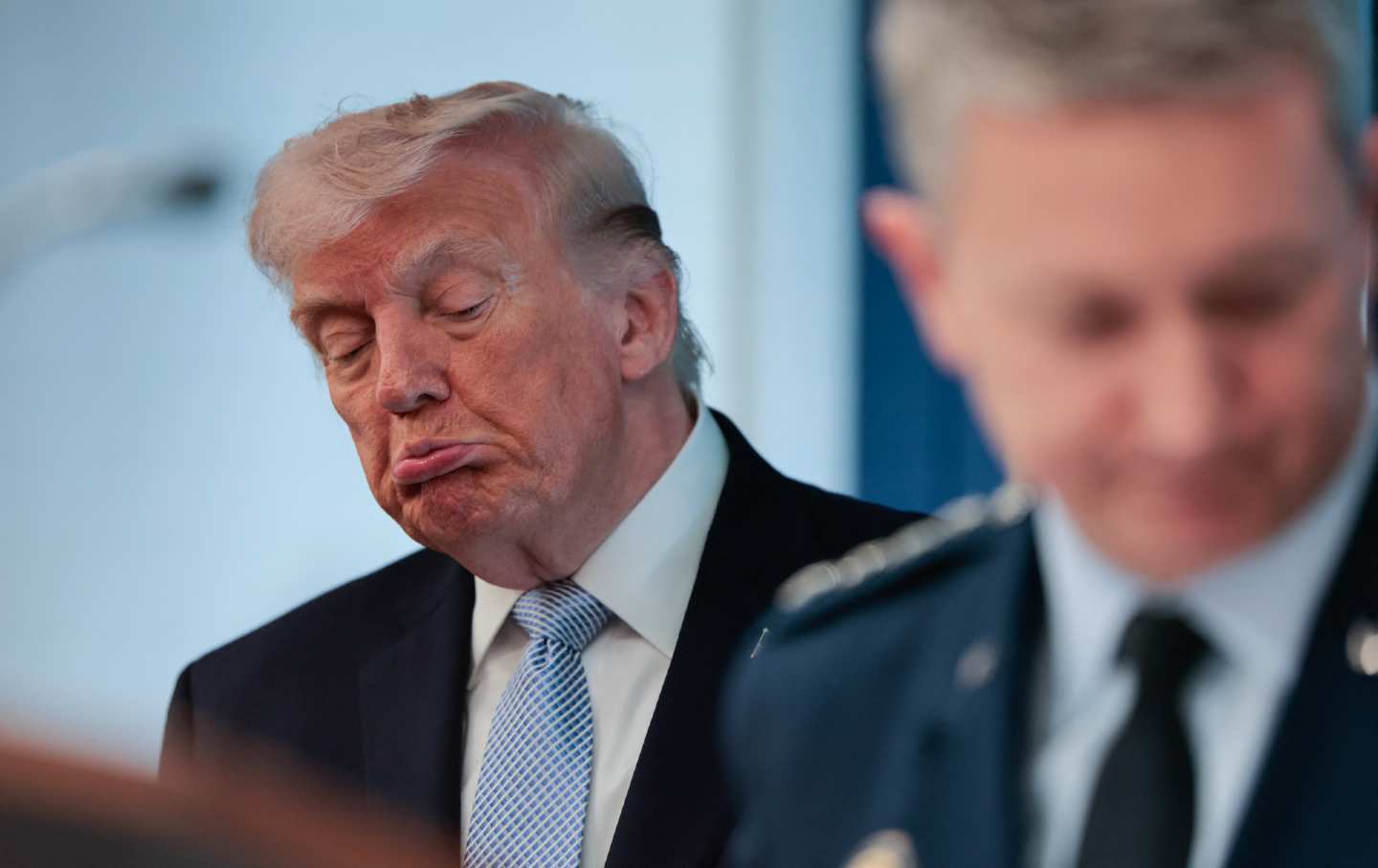
Cover image from thenation.com, which was analyzed for this article
Trump claimed the US is in the 'final throes' of a strong Iran deal as ceasefire holds following recent Israel-Iran flare-ups.
PoliticalOS
Tuesday, June 9, 2026 — Politics
Trump’s public optimism about a quick deal collides with Iranian insistence that core issues remain off the table and with Israel’s continued operations in Lebanon. The ceasefire’s survival now depends on whether Washington can restrain both sides long enough for any agreement to take shape.
What outlets missed
Netanyahu canceled a major planned strike on Iran after Trump’s warning, a sequence reported by Axios and the Times of Israel but omitted from Al Jazeera’s account. Iranian officials explicitly stated that nuclear enrichment and blocked assets remain outside current talks, a position downplayed in coverage focused on U.S. optimism. The U.S. helicopter incident near Oman received only passing mention in several outlets despite occurring the same day as the reported diplomatic exchanges.
Trump Promises Swift Iran Deal as War Stalls Past 100 Days
President Donald Trump told reporters Tuesday that negotiations with Iran are in their final stages and could produce an agreement within two or three days that reopens the Strait of Hormuz and blocks any Iranian nuclear weapons program. The claim came after a weekend of renewed exchanges between Israel and Iran that tested the ceasefire reached in April and raised fresh doubts about whether the conflict can be contained.
Trump spoke after attending an NBA Finals game in New York. He described the emerging accord as very strong and powerful and said the waterway would open immediately upon signing. He also told a South Carolina rally audience that total victory would be declared within two weeks. Similar forecasts have been issued repeatedly since the fighting began, with earlier predictions of a four-to-six-week campaign now well behind schedule.
The latest flare-up followed Israeli strikes on Iranian targets and on Hezbollah positions in Lebanon. Iran responded with missiles aimed at northern Israel before announcing it would halt further attacks if Israeli operations ceased. Israeli officials have continued operations against Hezbollah, arguing they remain separate from the talks between Washington and Tehran. Iranian parliamentary speaker Mohammad Bagher Ghalibaf warned that repeated violations show no genuine will for trust and that the truce remains brittle.
US officials have urged restraint. Trump reportedly told Israeli Prime Minister Benjamin Netanyahu to be careful about actions that could undermine the fragile pause. The American position reflects concern that further escalation risks pulling the United States deeper into a conflict that has already lasted more than one hundred days and produced no decisive outcome on the ground.
The Strait of Hormuz remains closed to regular commercial traffic, keeping global energy markets under pressure. An American helicopter went down near the waterway on Monday, adding to the list of military setbacks. Iranian forces have maintained defensive positions and shown little sign of yielding core demands. Regional analysts note that Tehran has survived waves of strikes without collapsing its command structure or its nuclear infrastructure.
Trump has framed the coming agreement as an improvement on the 2015 nuclear deal he withdrew from during his first term. Critics inside his own coalition point out that any workable arrangement will likely require concessions similar to those he once denounced. The president has dismissed such concerns, insisting negotiators are close and that Iran is prepared to give the United States everything it wants.
Public divisions between Washington and Jerusalem have grown more visible. Israel’s ambassador to the United States has insisted that operations against Hezbollah have nothing to do with the nuclear talks, while Iranian officials have sought to link the two issues. The gap leaves open the possibility that any deal reached in the coming days could be followed quickly by new fighting if either side views the terms as insufficient.
The administration continues to present the situation as manageable and nearing resolution. Military and diplomatic sources, however, describe a stalemate in which neither side has achieved its stated objectives and the costs in lives, equipment, and regional stability continue to mount.
You just read America First's take. Want to read what actually happened?
More in Politics

Trump Defends Ramaswamy Ad Using Estranged Mother in Ohio Race
President Trump defended a GOP nominee's ad featuring a Democratic opponent's estranged mother, calling it powerful, while drawing criticism from some Republicans including Ohio Gov. Mike DeWine. The ad has sparked internal GOP tensions ahead of midterms.
Federal Raid Targets Omar Amid Unresolved Name and Marriage Allegations
Agents searched Rep. Ilhan Omar's DC residence over immigration fraud allegations; she called it bizarre. Reports and commentary questioned her birth name and past marriage details.

Supreme Court Upholds New Hampshire Student ID Voting Ban
The Supreme Court upheld New Hampshire's ban on student IDs as valid voter identification just before midterms, affecting a tight Senate race.
Early Voting Hits 21 Million as Most Trust Midterm Accuracy
Millions have already voted early as parties make final appeals amid $1.4 billion in ad spending; polls show confidence in election accuracy.
The Compass
You just read five takes on one story.
What's your take? Find your political shape in a few minutes.
Take the test