
Ceasefire Lapse Puts Hormuz Shipping and Oil at Risk
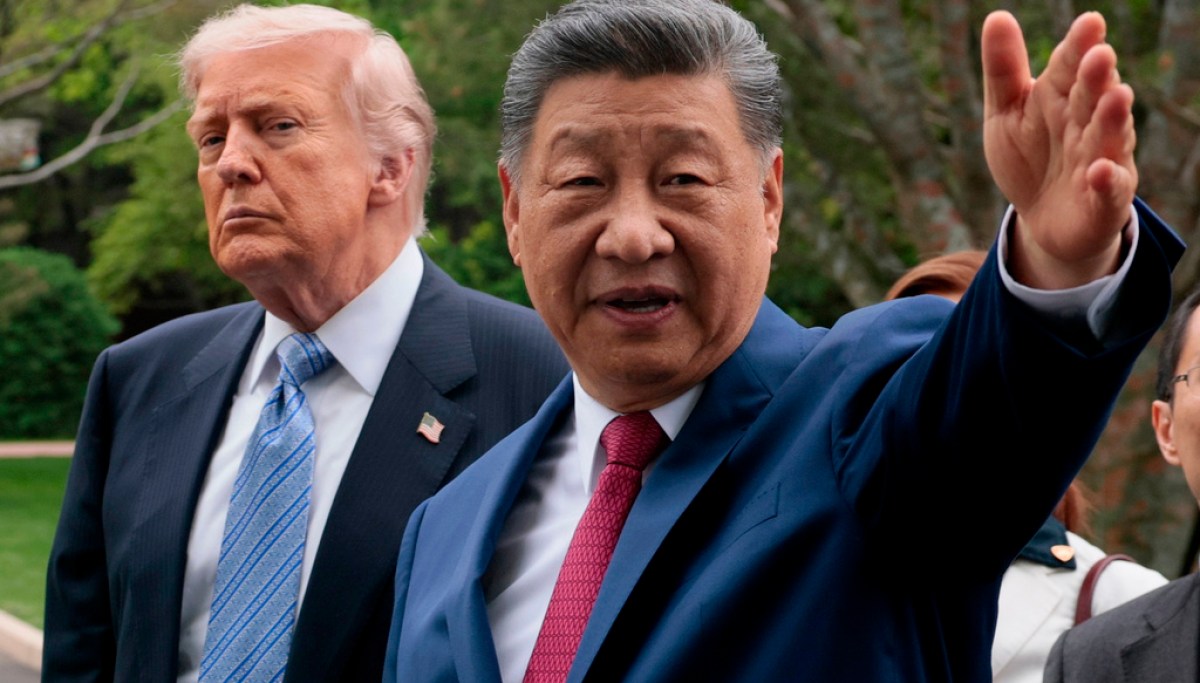
Cover image from washingtonexaminer.com, which was analyzed for this article
The 60-day US-Iran ceasefire lapsed without extension amid ongoing concerns over shipping and oil. Trump called for surrender and ruled out further talks while allies adjusted military postures. Multiple outlets across the spectrum covered the geopolitical fallout.
PoliticalOS
Wednesday, August 19, 2026 — Politics
The ceasefire expiration leaves Hormuz access and oil markets vulnerable while US carrier deployments create measurable readiness gaps in the Pacific that experts project will last well beyond the current conflict.
What outlets missed
Most coverage omitted the precise start date of late February 2026 and the reported death of Supreme Leader Ayatollah Ali Khamenei in initial strikes. Details on disagreements within the Pentagon over Israeli espionage concerns during any force reconfiguration were absent. Shipping data through the Strait of Hormuz and oil price impacts received little quantitative treatment despite repeated mentions of the waterway. No outlet provided corroborated casualty figures for US personnel beyond general references to tracker criticism.
The 60-day US-Iran ceasefire ended without renewal, leaving shipping through the Strait of Hormuz and global oil flows exposed to renewed disruption. President Trump stated that Iran must surrender and ruled out additional talks, while US forces remain committed in the region. Military planners now face extended carrier deployments that affect readiness elsewhere. The USS Abraham Lincoln has operated more than 250 days at sea, prompting reports of crew distress and the planned arrival of the USS George Washington from the Pacific. Pentagon officials told The Washington Post they are assessing force posture options after the conflict, though a spokesperson denied any formal review is underway. Costs have reached $37.5 billion, with damage reported at multiple bases including Al Udeid in Qatar and the Fifth Fleet headquarters in Bahrain. Experts at the Foundation for Defense of Democracies estimate that maintenance on both carriers could leave the Indo-Pacific short two carrier groups for more than 18 months. Other analysts at Defense Priorities note that China already possesses capabilities to target carriers and that intelligence resources remain diverted from the Pacific. Allies have adjusted postures amid the uncertainty, and no independent verification exists for claims of specific troop reductions or exact damage totals beyond satellite imagery cited by BBC Verify. The central unresolved question is whether prolonged engagement will force a negotiated settlement or produce further military strain without decisive results.
More in Politics

Federal Agents Search Omar Home in Ongoing Immigration Probe
Homeland Security agents searched the Minnesota Democrat's DC residence in a criminal probe, prompting accusations of political intimidation from Omar and Democratic leaders. Coverage spans left-leaning outlets like NPR, BBC, and The Guardian alongside right-leaning criticism from The Federalist and Daily Wire.

Trump Diesel Import Plan Draws Pushback Over Russia Ties
The weekend agreement drew bipartisan congressional pushback and criticism from Ukraine's Zelenskyy, with analysts downplaying US fuel price impacts. Right-leaning outlets like National Review, Dispatch, and Washington Examiner questioned its legality and effectiveness.

Independents Test Voter Appetite for Middle Ground in 2026 Midterms
Nearly 200 independents are running in competitive races as voters weigh ballot measures on housing costs in states like Massachusetts. Left-leaning coverage from NYT, NPR, and Guardian highlights turnout and key races while right outlets focus on GOP strategy.
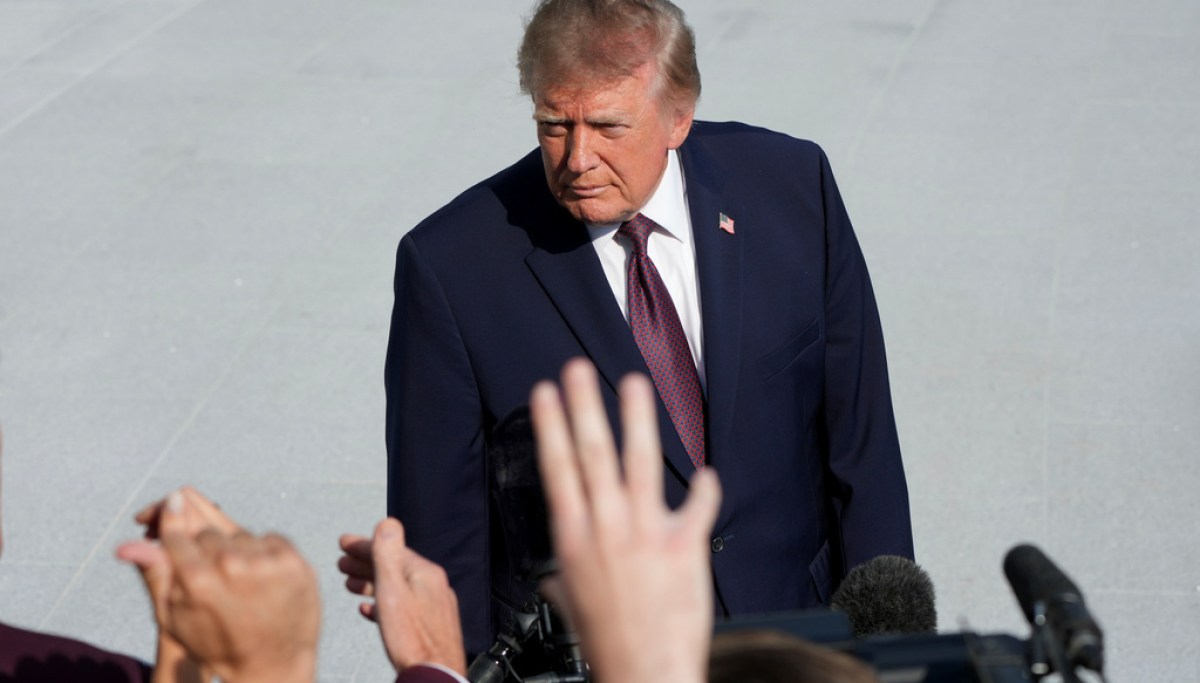
Trump Rallies in Alaska, Ohio to Bolster GOP Senate Candidates
The president rallied in Wasilla for Sen. Dan Sullivan and faced empty seats at an Ohio event amid midterm concerns. Outlets across the spectrum covered the trips as signals of GOP vulnerability weeks before Election Day.
The Compass
You just read five takes on one story.
What's your take? Find your political shape in a few minutes.
Take the test