
Trump Delays Iran Deal Decision as Red Lines Clash

Cover image from aljazeera.com, which was analyzed for this article
Trump administration ends meeting without final Iran deal announcement as hard-liners push back and US warns it can resume strikes. Ongoing coverage highlights shrinking US goals and regional tensions on day 92 of conflict.
PoliticalOS
Saturday, May 30, 2026 — Politics
The central unresolved question is whether Iran will accept Trump’s conditions on nuclear material and Hormuz access or whether the U.S. will resume strikes. Readers should watch for any sequenced steps on asset releases and Lebanon ceasefires that could break the current impasse.
What outlets missed
Most coverage omitted that Iranian parliamentary sources are advancing legislation to assert sovereignty over Hormuz transit fees, a step that directly contradicts U.S. demands for toll-free passage. Few outlets noted the explicit linkage Iranian negotiators have drawn between any Hormuz deal and a simultaneous ceasefire in Lebanon. Several reports also failed to record that the draft text reportedly includes a $12 billion asset release as Iran’s immediate precondition, a detail carried only by Iranian state outlets and not corroborated elsewhere.
Trump Holds Firm as Iran Deal Talks Stall Without Decision
President Donald Trump wrapped up a White House Situation Room meeting Friday without signing off on a proposed framework to extend the ceasefire with Iran, leaving key questions about the three-month conflict unresolved. The session was meant to deliver a final call on terms that would pause fighting for another 60 days while opening talks on Tehran's nuclear ambitions.
Trump laid out his conditions in advance on Truth Social. Iran must commit to never developing a nuclear weapon. The Strait of Hormuz must reopen to unrestricted shipping in both directions. Any mines planted there must be cleared. Enriched uranium buried at sites hit in earlier strikes would need to be removed and destroyed with American and International Atomic Energy Agency involvement. No money would change hands under the current terms.
A White House official stressed that any agreement must serve American interests and meet those red lines. Defense Secretary Pete Hegseth reinforced the message from Singapore, telling attendees at the Shangri-La Dialogue that the United States remains fully capable of resuming military operations if talks collapse. American stockpiles are sufficient, he said, and the defense industrial base is expanding to support operations worldwide.
The reported memorandum of understanding, reached with help from Pakistani and Qatari mediators, would have lifted the U.S. naval blockade and allowed shipping to resume through the vital waterway. Iran had closed the strait after the conflict began on February 28, cutting off roughly 20 percent of global crude oil supplies and driving up gasoline prices along with fertilizer costs that threaten food production. Before the war, traffic moved freely.
Iranian officials pushed back hard. Foreign Ministry spokesperson Esmaeil Baghaei said exchanges with Washington continue but no final understanding exists. Tehran will judge any steps by concrete actions, not words, and rejects the notion of a naval blockade as legitimate. An adviser to Supreme Leader Ayatollah Ali Khamenei accused Trump of betraying diplomacy through excessive demands. Iran's chief negotiator indicated Tehran expects Washington to move first.
Fighting has not stopped everywhere. Israeli forces advanced beyond Lebanon's Litani River, with strikes reported to have killed and wounded civilians. U.S. Central Command said its forces stay present and vigilant across the region. Iranian state media claimed air defenses downed a drone belonging to the U.S.-Israeli side.
Trump entered the conflict promising decisive results yet now confronts the same constraints that frustrated earlier administrations. The priority placed on reopening Hormuz shows how Iran's actions have altered the equation. Negotiations rather than further strikes became the chosen path to ease economic pressure on American drivers and farmers.
The meeting produced no announcement. Oil prices dipped after Trump's earlier post but uncertainty remains high. Both sides continue to exchange positions while each warns it can return to combat. Trump has made clear he will accept nothing that leaves Iran closer to nuclear capability or keeps a critical shipping lane closed.
You just read America First's take. Want to read what actually happened?
More in Politics
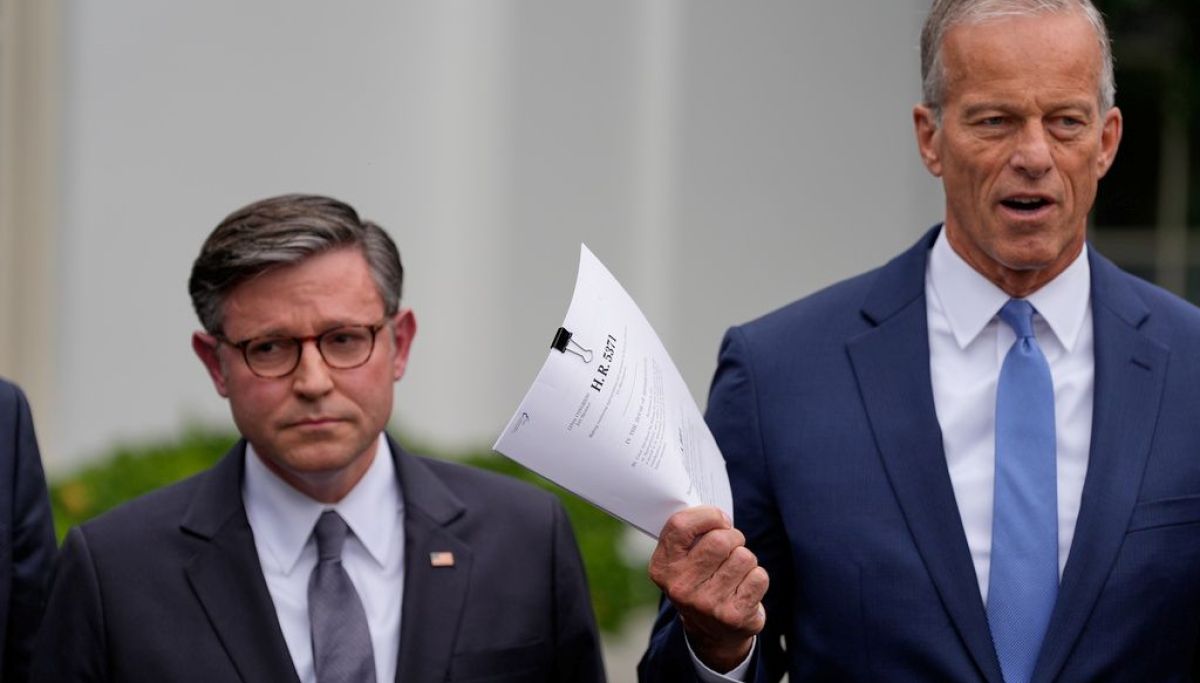
Trump at 32% Approval as Gas Prices Test GOP Midterm Hopes
NYT/Siena polling showed Trump's approval at historic lows around 32 percent with Democrats leading by double digits in key districts. Early voting has surged in battleground states.

Record Early Voting Hits Battlegrounds, Shifting Partisan Shares
AP analysis found hundreds of thousands more early ballots than in 2022 in states including Texas, Ohio, Kansas, Maine, and North Carolina, shifting partisan dynamics.
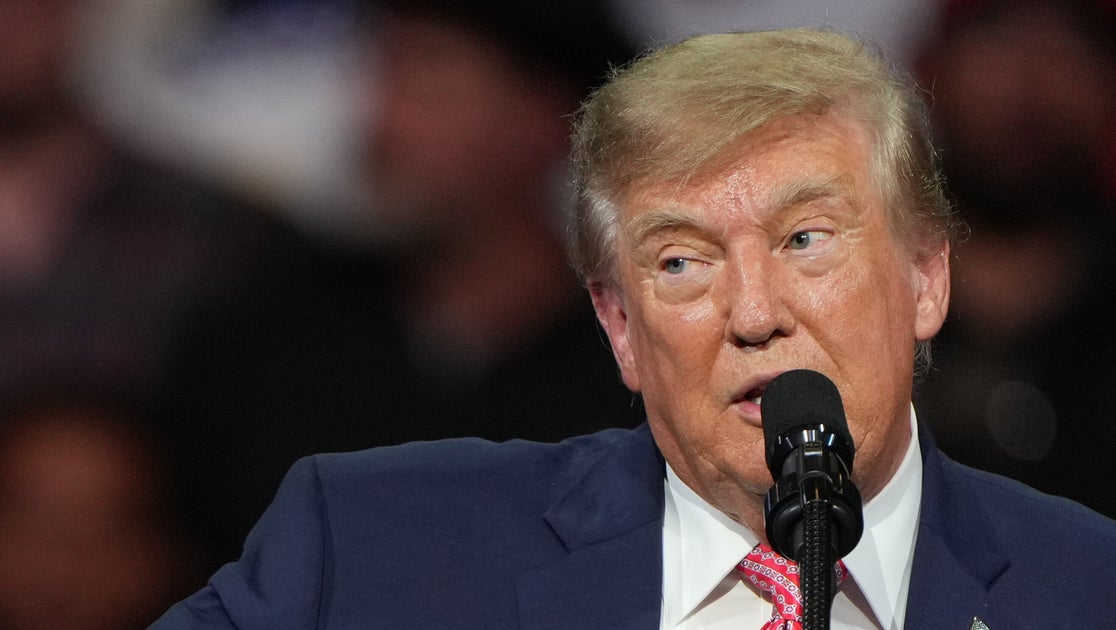
Trump Backs Marshall in Kansas Senate Race Tightened by Farm Costs
President Trump rallied in deep-red Kansas for GOP Sen. Roger Marshall in a competitive race, announcing an $8 billion farm fuel relief program amid high diesel prices. Democrats see an opening to end 94 years of GOP dominance in the state.

Trump Pauses Russia Sanctions Amid Ukraine Tensions and Missile Strikes
Trump waived sanctions on Russia and floated trilateral talks with Putin and Xi as part of ending the Ukraine war, while tensions rose with Zelenskyy over Starlink and arms. Bipartisan senators engaged Zelenskyy amid the shifts.
The Compass
You just read five takes on one story.
What's your take? Find your political shape in a few minutes.
Take the test