
Trump Delays Iran Deal Decision as Red Lines Clash

Cover image from aljazeera.com, which was analyzed for this article
Trump administration ends meeting without final Iran deal announcement as hard-liners push back and US warns it can resume strikes. Ongoing coverage highlights shrinking US goals and regional tensions on day 92 of conflict.
PoliticalOS
Saturday, May 30, 2026 — Politics
The central unresolved question is whether Iran will accept Trump’s conditions on nuclear material and Hormuz access or whether the U.S. will resume strikes. Readers should watch for any sequenced steps on asset releases and Lebanon ceasefires that could break the current impasse.
What outlets missed
Most coverage omitted that Iranian parliamentary sources are advancing legislation to assert sovereignty over Hormuz transit fees, a step that directly contradicts U.S. demands for toll-free passage. Few outlets noted the explicit linkage Iranian negotiators have drawn between any Hormuz deal and a simultaneous ceasefire in Lebanon. Several reports also failed to record that the draft text reportedly includes a $12 billion asset release as Iran’s immediate precondition, a detail carried only by Iranian state outlets and not corroborated elsewhere.
Trump Meeting on Iran Deal Concludes Without Resolution as Demands Evolve
President Donald Trump met with senior advisers on Friday to review a proposed framework for extending the ceasefire with Iran but left the session without announcing a decision, according to officials familiar with the discussion. The talks center on a 60-day pause in fighting that would reopen the Strait of Hormuz to commercial traffic and set the stage for broader negotiations on Iran’s nuclear activities.
Trump had previewed the meeting on social media by listing several conditions, including a permanent Iranian commitment to forgo nuclear weapons, removal of enriched uranium from sites targeted in earlier strikes, and unrestricted passage through the strait without tolls or mines. A White House official said afterward that any agreement must meet those red lines and serve American interests. Iranian officials, however, described the latest exchanges as ongoing but incomplete, with Foreign Ministry spokesperson Esmaeil Baghaei stating that Tehran would judge progress by concrete steps rather than statements.
The proposed memorandum emerged after weeks of indirect talks mediated by Qatar and Pakistan. It would extend the current lull in hostilities that began on April 8 and create a channel for addressing the nuclear issue. Yet both sides continue to disagree on sequencing. Iranian negotiator Mohammad Bagher Ghalibaf emphasized that any easing of restrictions must follow verifiable U.S. actions, while U.S. Defense Secretary Pete Hegseth told an audience in Singapore that American forces remain prepared to resume operations if needed, citing adequate munitions stockpiles and an expanding defense industrial base.
The economic stakes have grown clearer as the conflict has dragged into its third month. Closure of the strait, which handles roughly one-fifth of global crude shipments, contributed to higher gasoline prices and fertilizer shortages in the United States. Those pressures appear to have narrowed the administration’s immediate priorities toward restoring shipping lanes rather than pursuing more expansive military objectives outlined at the start of the campaign. Shipping through the waterway had previously operated without impediment, underscoring how the conflict itself altered the leverage available to both parties.
Israeli operations in Lebanon continued independently, with forces advancing past the Litani River and airstrikes reported in multiple areas. Iranian officials have insisted that any comprehensive agreement must also address fighting in Lebanon, adding another layer of complexity to the bilateral channel. U.S. Central Command said its forces remain active across the region, while diplomatic teams from Israel and Lebanon held separate meetings at the Pentagon.
Iranian advisers have criticized the scale of Trump’s conditions as inconsistent with standard diplomatic practice. At the same time, U.S. statements have stressed that no funds would change hands until further verification steps are completed. The absence of a decision after Friday’s meeting leaves the status of the proposed extension uncertain, with both capitals signaling that additional work is required before any final text can be approved.
You just read Liberal's take. Want to read what actually happened?
More in Politics
Trump at 32% Approval as Gas Prices Test GOP Midterm Hopes
NYT/Siena polling showed Trump's approval at historic lows around 32 percent with Democrats leading by double digits in key districts. Early voting has surged in battleground states.

Record Early Voting Hits Battlegrounds, Shifting Partisan Shares
AP analysis found hundreds of thousands more early ballots than in 2022 in states including Texas, Ohio, Kansas, Maine, and North Carolina, shifting partisan dynamics.
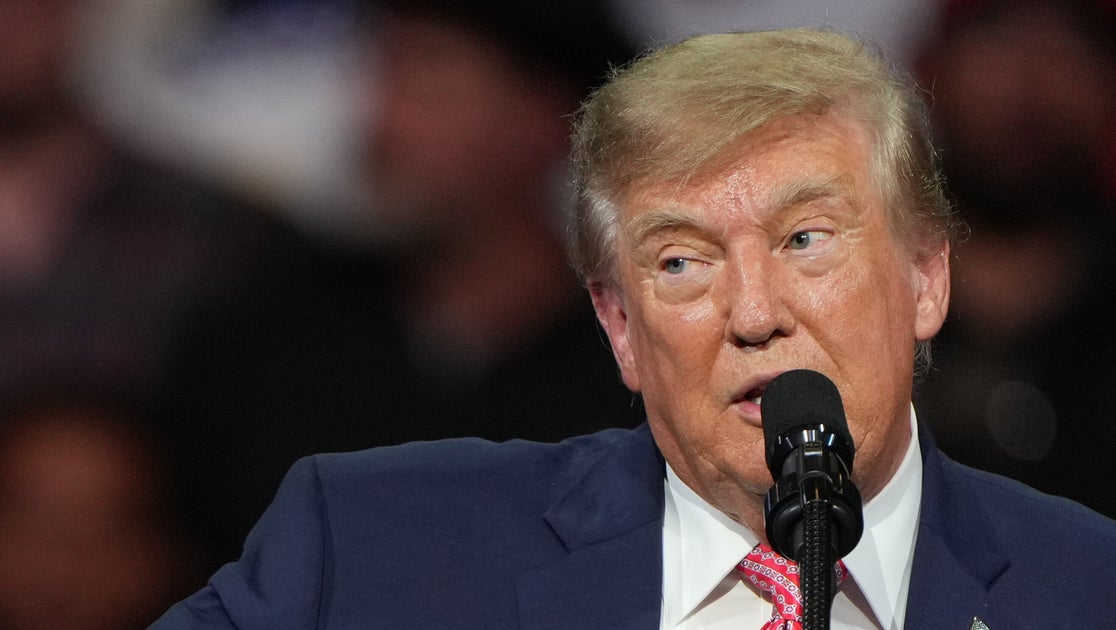
Trump Backs Marshall in Kansas Senate Race Tightened by Farm Costs
President Trump rallied in deep-red Kansas for GOP Sen. Roger Marshall in a competitive race, announcing an $8 billion farm fuel relief program amid high diesel prices. Democrats see an opening to end 94 years of GOP dominance in the state.

Trump Pauses Russia Sanctions Amid Ukraine Tensions and Missile Strikes
Trump waived sanctions on Russia and floated trilateral talks with Putin and Xi as part of ending the Ukraine war, while tensions rose with Zelenskyy over Starlink and arms. Bipartisan senators engaged Zelenskyy amid the shifts.
The Compass
You just read five takes on one story.
What's your take? Find your political shape in a few minutes.
Take the test