
Iran Missiles Target US Forces, Prompting Joint Strikes in Iraq
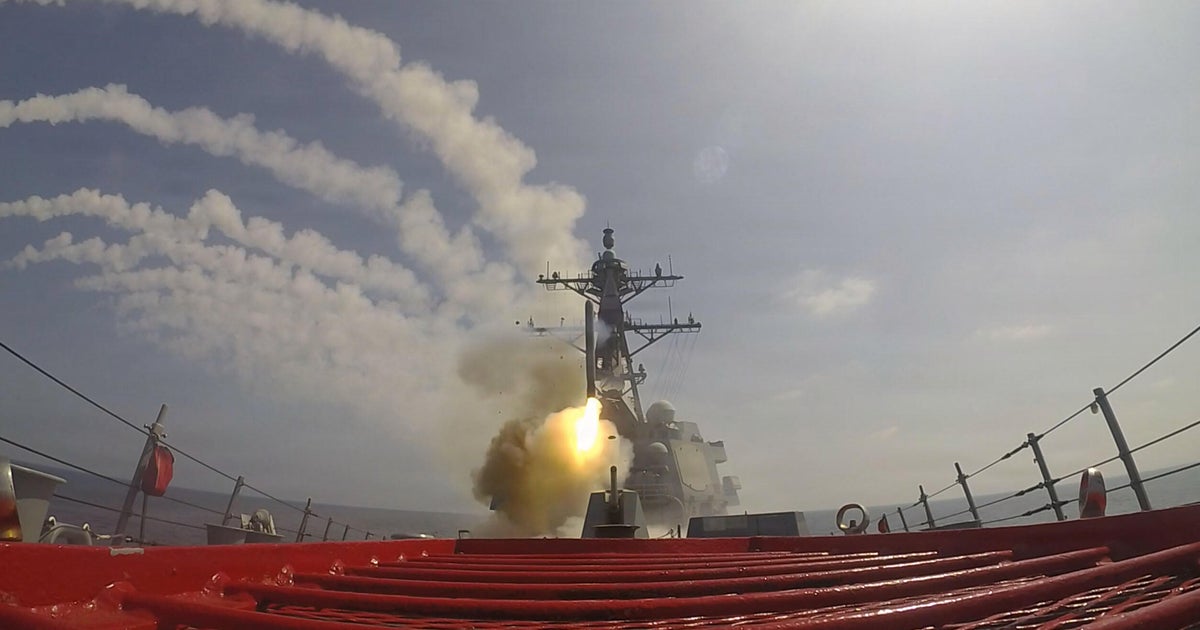
Cover image from cbsnews.com, which was analyzed for this article
Tensions escalate with Iranian missile attacks on US forces and joint US-Saudi strikes on Iran-backed groups in Iraq. Trump meets Netanyahu amid war powers debates and regional diplomacy.
PoliticalOS
Wednesday, July 29, 2026 — Politics
The latest exchanges show that neither side has yet found a durable way to pause fighting while core disputes over shipping lanes, proxy attacks, and security guarantees remain open. Trump’s meetings with Netanyahu occur against this backdrop of competing pressures from allies and the immediate economic effects of renewed strikes.
What outlets missed
Several outlets omitted any reference to the February 28 start date of sustained US-Israeli operations against Iran, leaving readers without a clear timeline for the current escalation. One analysis noted contemporaneous reports from WSJ and AP of two or three US service members killed at a Jordan base, a detail absent from most coverage and therefore unverified across the provided sources. Internal Iranian regime divisions described by the Institute for the Study of War were mentioned in only one dispatch. Cumulative casualty figures for US personnel since February, cited by the Pentagon in one account, received little attention elsewhere.
Missile fire and retaliatory strikes have broken a brief lull in fighting between the United States and Iran-aligned groups, raising the risk that diplomacy over the Strait of Hormuz and related security issues will collapse. US Central Command reported that Iran’s Islamic Revolutionary Guard Corps launched multiple ballistic missiles toward American forces in the Middle East on Tuesday evening, with all projectiles intercepted. The same command stated that US and Saudi aircraft then struck logistics and weapons sites used by Iran-backed militias in eastern Iraq after more than 30 drone attacks on US personnel and Saudi energy facilities in the preceding 72 hours.
Iraq’s Popular Mobilisation Forces, an official paramilitary umbrella that includes Iran-aligned units, reported at least 20 fighters killed and 32 wounded across seven provinces. CENTCOM described the targets as terrorist sites directed by the IRGC and warned that further attacks would draw additional US responses. Saudi officials said the strikes were conducted under the right of self-defense and did not seek broader escalation.
The exchanges occurred hours after President Trump met Israeli Prime Minister Benjamin Netanyahu at the White House. White House press secretary Karoline Leavitt called the closed-door session positive and productive. Netanyahu has pressed for continued pressure on Iran, including scrutiny of construction at a site referred to as Pickaxe Mountain. Trump has expressed interest in reopening the Strait of Hormuz and containing oil-price spikes while maintaining Israel’s security.
Oil benchmarks rose more than 4 percent in early trading after the incidents. Iran has asserted the right to regulate traffic through the strait and rejected proposals to divide lanes equally with Oman. The IRGC separately claimed it stopped three tankers it said were traveling an unsafe route. US officials have linked the latest round of fighting to a broader conflict that began with joint US-Israeli operations against Iranian targets at the end of February.
Trump has described recent talks with Iran as friendly yet warned that he would resume strikes if no agreement is reached. Iranian officials have denied that formal negotiations are under way. The sequence leaves unresolved whether the latest strikes will harden positions or create new openings for mediation involving regional states and outside parties.
More in Politics

Federal Agents Search Omar Home in Ongoing Immigration Probe
Homeland Security agents searched the Minnesota Democrat's DC residence in a criminal probe, prompting accusations of political intimidation from Omar and Democratic leaders. Coverage spans left-leaning outlets like NPR, BBC, and The Guardian alongside right-leaning criticism from The Federalist and Daily Wire.

Trump Diesel Import Plan Draws Pushback Over Russia Ties
The weekend agreement drew bipartisan congressional pushback and criticism from Ukraine's Zelenskyy, with analysts downplaying US fuel price impacts. Right-leaning outlets like National Review, Dispatch, and Washington Examiner questioned its legality and effectiveness.

Independents Test Voter Appetite for Middle Ground in 2026 Midterms
Nearly 200 independents are running in competitive races as voters weigh ballot measures on housing costs in states like Massachusetts. Left-leaning coverage from NYT, NPR, and Guardian highlights turnout and key races while right outlets focus on GOP strategy.

Trump Rallies in Alaska, Ohio to Bolster GOP Senate Candidates
The president rallied in Wasilla for Sen. Dan Sullivan and faced empty seats at an Ohio event amid midterm concerns. Outlets across the spectrum covered the trips as signals of GOP vulnerability weeks before Election Day.
The Compass
You just read five takes on one story.
What's your take? Find your political shape in a few minutes.
Take the test