
Trump Claims Total US Control of Strait of Hormuz, Iran Counters

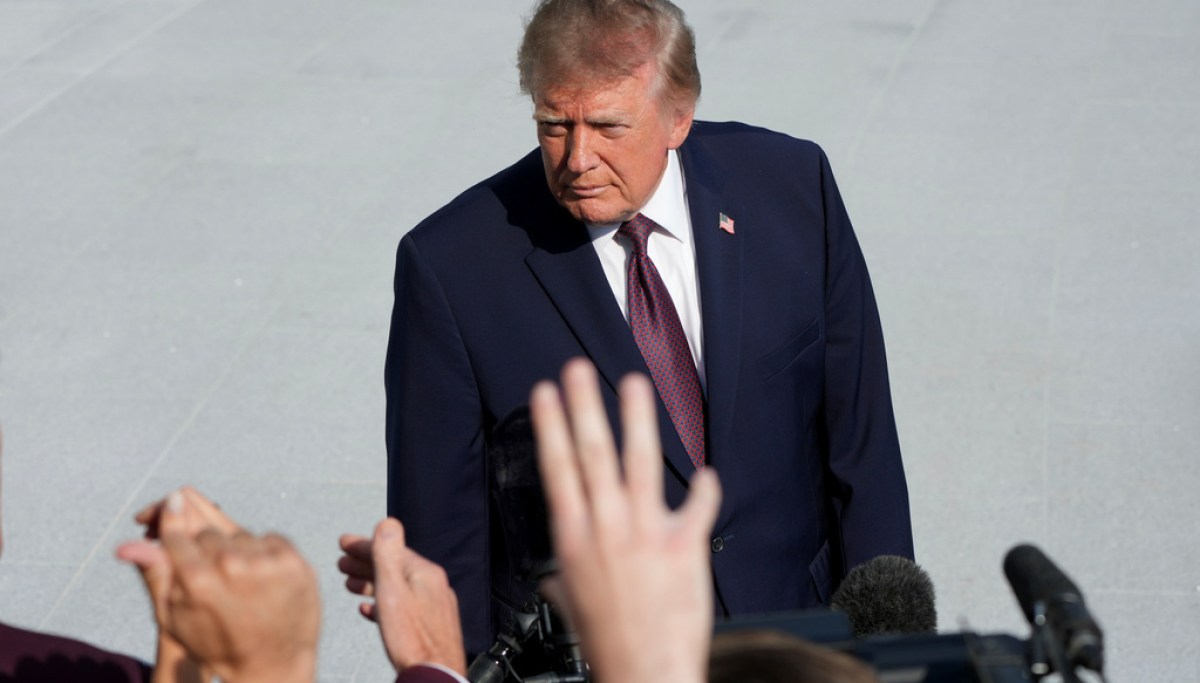
Cover image from rawstory.com, which was analyzed for this article
Trump asserts total US control of the Strait of Hormuz while Iran claims influence, amid broader West Asia conflict and economic pressure tactics. Multiple outlets report competing claims and impacts on shipping traffic.
PoliticalOS
Thursday, August 13, 2026 — Politics
The core unresolved tension remains whether either side can unilaterally dictate terms for Hormuz transit while the naval blockade and Iranian closure persist. Shipping volumes have dropped measurably, yet no independent verification exists for specific tolls, reparations figures, or enforcement mechanisms claimed by either government. Readers should treat control assertions as competing positions in an active conflict rather than settled operational facts.
What outlets missed
Most coverage omitted precise daily transit figures from Kpler that quantify the strait's reduced throughput and provide a measurable baseline for evaluating control claims. Few outlets detailed the June interim ceasefire's specific terms or the exact sequence of its breakdown after resumed Iranian vessel attacks. The $300 billion reparations figure cited in one opinion column could not be independently verified in statements from Reuters, Al Jazeera, or AP reporting on Iranian demands. No outlet supplied updated data on the number of U.S. naval assets enforcing the blockade or on any toll-collection mechanisms referenced in Iranian statements.
Global oil markets face renewed uncertainty as the United States and Iran issue competing assertions of authority over the Strait of Hormuz, the narrow waterway through which roughly one-fifth of the world's oil and liquefied natural gas once moved before the current conflict. President Donald Trump stated on his Truth Social platform that the United States holds total control and suggested it might retain that position, while Iranian officials responded that the strait remains under their management and will stay closed until specific conditions are met. Shipping data from Kpler shows daily transits fell to eight vessels on Tuesday, below the recent 10-day average of about 12 and the lowest count since August 5.
The dispute occurs against the backdrop of a war that began February 28 with U.S.-Israeli strikes on Iran. Tehran closed the strait shortly afterward; Washington imposed a naval blockade on Iranian ports while pledging to safeguard passage for other traffic. An interim ceasefire reached in June collapsed weeks later after Iran resumed limited attacks on vessels, prompting renewed U.S. strikes on southern Iranian provinces. Iranian Basij commander Hossein Taeb, quoted by the semi-official Fars news agency, said the United States had sought to undermine Iranian regional standing through the conflict but had failed, leaving the strait under Iranian control. Senior Iranian military official Rasoul Sanaei-Rad added that reopening would require the other side to fulfill interim-deal commitments and could not be achieved unilaterally by the United States.
Trump's remarks followed earlier statements in which he described the U.S. naval presence as a "wall of steel." Iranian Foreign Minister Abbas Araghchi called the U.S. position a miscalculation. Traffic through the strait has slowed markedly since the war's onset, though exact enforcement mechanisms and toll arrangements remain subjects of ongoing claims rather than independently confirmed operational details. Separate reporting from multiple outlets documented heightened security measures around Trump linked to Iranian threats, including an aircraft switch during a July NATO summit in Turkey after intelligence indicated a possible surface-to-air missile plot, but those measures are not directly tied to Hormuz transit rules.
More in Politics

Federal Agents Search Omar Home in Ongoing Immigration Probe
Homeland Security agents searched the Minnesota Democrat's DC residence in a criminal probe, prompting accusations of political intimidation from Omar and Democratic leaders. Coverage spans left-leaning outlets like NPR, BBC, and The Guardian alongside right-leaning criticism from The Federalist and Daily Wire.

Trump Diesel Import Plan Draws Pushback Over Russia Ties
The weekend agreement drew bipartisan congressional pushback and criticism from Ukraine's Zelenskyy, with analysts downplaying US fuel price impacts. Right-leaning outlets like National Review, Dispatch, and Washington Examiner questioned its legality and effectiveness.

Independents Test Voter Appetite for Middle Ground in 2026 Midterms
Nearly 200 independents are running in competitive races as voters weigh ballot measures on housing costs in states like Massachusetts. Left-leaning coverage from NYT, NPR, and Guardian highlights turnout and key races while right outlets focus on GOP strategy.
Trump Rallies in Alaska, Ohio to Bolster GOP Senate Candidates
The president rallied in Wasilla for Sen. Dan Sullivan and faced empty seats at an Ohio event amid midterm concerns. Outlets across the spectrum covered the trips as signals of GOP vulnerability weeks before Election Day.
The Compass
You just read five takes on one story.
What's your take? Find your political shape in a few minutes.
Take the test