
Iran Reimposes Hormuz Controls as US Blockade Persists, Ceasefire Frays

Cover image from cnbc.com, which was analyzed for this article
Iran announced the Strait of Hormuz is under strict control again, accusing the US of violating ceasefire terms with ongoing port blockades and patrols. President Trump expressed optimism for an Iran deal while stating the blockade remains and warning of renewed military action if no agreement. Tanker incidents and shipping disruptions heighten fears as the truce deadline approaches.
PoliticalOS
Saturday, April 18, 2026 — Politics
The Strait of Hormuz has become the immediate test of a fragile, Pakistan-mediated ceasefire due to expire April 22, with Iran's reimposed controls and the persistent U.S. blockade creating mutual accusations that could trigger renewed bombing. Verified incidents like the IRGC firing on a tanker, corroborated ship-tracking reversals, and ongoing diplomatic visits show both sides still maneuvering rather than committed to collapse. Readers should treat casualty totals and specific negotiation details as ranges pending further corroboration, recognizing that control of 20 percent of global oil flow now hinges on whether talks in Islamabad produce concrete compromises on nuclear material and maritime access.
What outlets missed
Most outlets underreported the full timeline of maritime violence, including that Iran began restricting the strait on March 1, 2026, immediately after initial U.S.-Israeli strikes, framing later actions as isolated rather than part of a seven-week cycle. Aggregate shipping data showing 16 merchant vessels damaged, 12 seafarers killed or missing, and bidirectional attacks (Iran claiming responses to ignored warnings) received only glancing mention in analyses but rarely in front-page reporting. The precise trigger for the U.S. blockade—imposed April 13 after reported Iranian mine-laying—was omitted or downplayed in several accounts, leaving readers without clear causation. Finally, varying casualty estimates across sources were often presented without attribution or cross-verification, and the role of specific uranium stockpile burial under bombed sites from a prior 12-day war in June 2025 appeared in only isolated quotes without independent confirmation.
Iran Attacks Tanker After Defiantly Reclosing Strait of Hormuz
The Iranian regime showed its true colors again Saturday by firing on a civilian tanker near Oman just hours after announcing it had shut down the Strait of Hormuz for the second time in as many days. Two gunboats from the Islamic Revolutionary Guard Corps approached the vessel about 20 nautical miles off the Omani coast and opened fire without warning or provocation according to the ship's master and the United Kingdom Maritime Trade Organization. The crew and vessel escaped unharmed but the message was clear. Tehran respects neither commercial shipping nor the fragile ceasefire supposedly holding in the region.
This latest provocation comes as President Donald Trump keeps the pressure on with a naval blockade of Iranian ports that he says will not lift until a real deal is reached. Speaking aboard Air Force One Friday the president made clear the clock is ticking. He warned he may not extend the current ceasefire past Wednesday if Iran fails to come to terms on its nuclear program and other issues. The blockade stays in place regardless Trump said adding that without progress America would have no choice but to resume more direct action. His tone was measured but firm a contrast to the mixed signals pouring out of Tehran.
Iran had claimed just a day earlier that it was reopening the strait to commercial traffic after a Pakistan-brokered truce took hold. Markets cheered the news and oil prices dropped on hopes the worst of the crisis was over. That optimism proved short-lived. By Saturday morning Iranian military commanders declared the waterway back under strict armed forces control. They blamed the United States for violating the terms of the reopening by refusing to end its blockade. In reality the mullahs never intended to give up their favorite lever of economic blackmail. Roughly one fifth of the world's oil supply normally flows through the narrow strait. By threatening to choke it off Iran aims to squeeze global energy markets and punish ordinary Americans at the gas pump for policies that challenge its aggression.
The incident fits a pattern of escalating maritime violence that has plagued the region since the current conflict erupted in late February. Multiple commercial ships have been hit by drones missiles or projectiles in and around the strait. The Revolutionary Guard has made no secret of its willingness to target vessels it deems a threat. Saturday's attack northeast of Oman fits that playbook exactly. British maritime authorities confirmed the gunboats made their approach without radio contact before firing. An investigation is underway but few expect Tehran to face meaningful consequences from the usual international bodies.
Trump for his part sounded cautiously optimistic even amid the chaos. He told reporters traveling with him that some pretty good news had come through just minutes earlier and that talks appeared to be moving in the right direction. Negotiations continue this weekend he said with Vice President JD Vance leading the American side in Islamabad. The president has repeatedly stressed that any final agreement must include the full removal of Iran's nuclear material which he said would be brought back to the United States one hundred percent. That demand reflects a realistic understanding that half-measures and paper agreements have failed for decades with this regime.
The human cost of the fighting has been steep. Reports indicate at least 3 000 dead in Iran nearly 2 300 in Lebanon 23 in Israel and more than a dozen across Gulf Arab states. Thirteen American service members have also been killed. A separate 10-day truce between Israel and Iranian-backed Hezbollah in Lebanon appears to be holding for now but the broader conflict involving direct strikes between Iranian targets and American and Israeli forces remains volatile. Pakistan has played a mediating role trying to bridge the gap before the Wednesday deadline but trust is in short supply.
What stands out in all this is the regime's consistent bad faith. Iran opens the strait one day then slams it shut the next all while its gunboats harass innocent shipping. This is not the behavior of a serious negotiating partner. It is the behavior of a theocratic dictatorship that views chaos as a tool of statecraft. Previous American administrations often responded with weakness or endless diplomacy that only emboldened Tehran. The current approach under Trump at least recognizes that economic pressure and military readiness matter more than performative talks.
Global energy markets are already feeling the strain. Oil prices that fell on Friday's reopening news reversed course again as reports of the closure and the tanker attack spread. Higher fuel costs flow straight to American families already squeezed by years of poor energy policy and open-ended foreign entanglements. The Strait of Hormuz is not some distant waterway. It is a jugular vein for the world economy and Iran has shown repeatedly it is willing to squeeze.
Trump's refusal to lift the blockade without concrete concessions puts the burden where it belongs on the Iranian regime. If Tehran wants relief it must abandon its nuclear ambitions stop funding proxy militias across the region and prove it can be trusted to let commercial traffic flow freely. Saturday's unprovoked shooting at a tanker suggests that day is still far off. Until then the blockade remains a necessary safeguard and the American military stands ready to protect legitimate shipping interests.
The coming days will reveal whether the good news Trump referenced can overcome the Revolutionary Guard's bullets. One thing is already obvious. Weakness invites exactly the kind of reckless aggression on display near Oman this weekend. A clear-eyed policy that puts American strength and economic security first is the only language these adversaries seem to understand.
You just read America First's take. Want to read what actually happened?
More in Politics
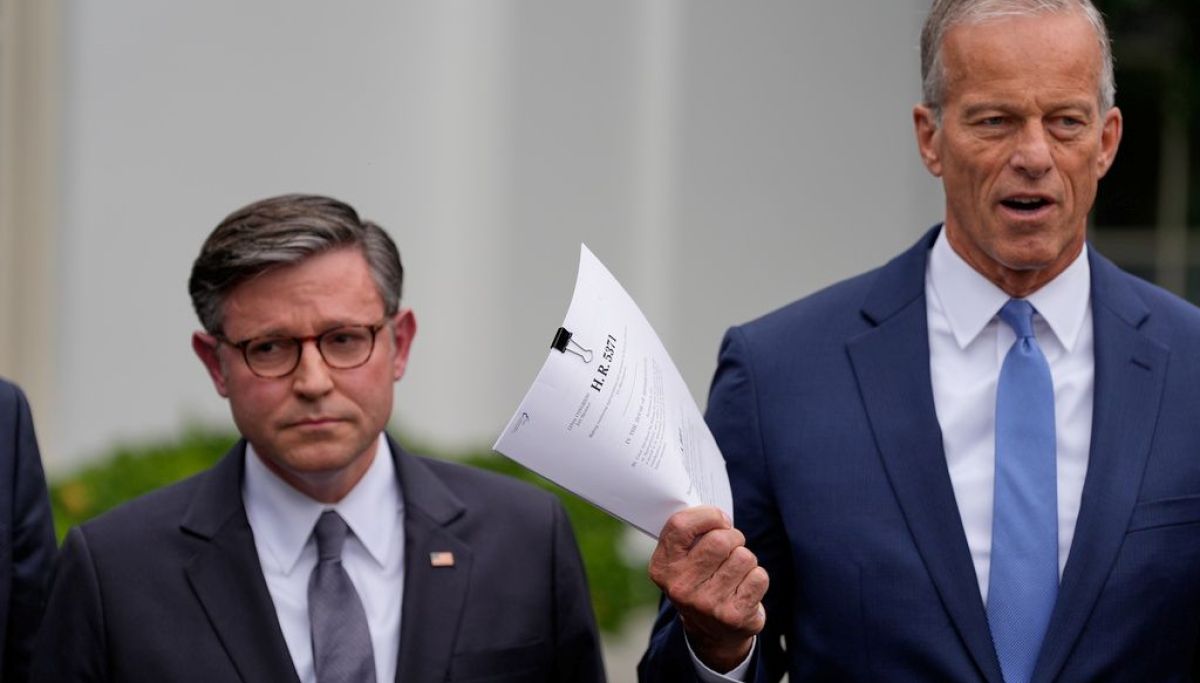
Trump at 32% Approval as Gas Prices Test GOP Midterm Hopes
NYT/Siena polling showed Trump's approval at historic lows around 32 percent with Democrats leading by double digits in key districts. Early voting has surged in battleground states.

Record Early Voting Hits Battlegrounds, Shifting Partisan Shares
AP analysis found hundreds of thousands more early ballots than in 2022 in states including Texas, Ohio, Kansas, Maine, and North Carolina, shifting partisan dynamics.
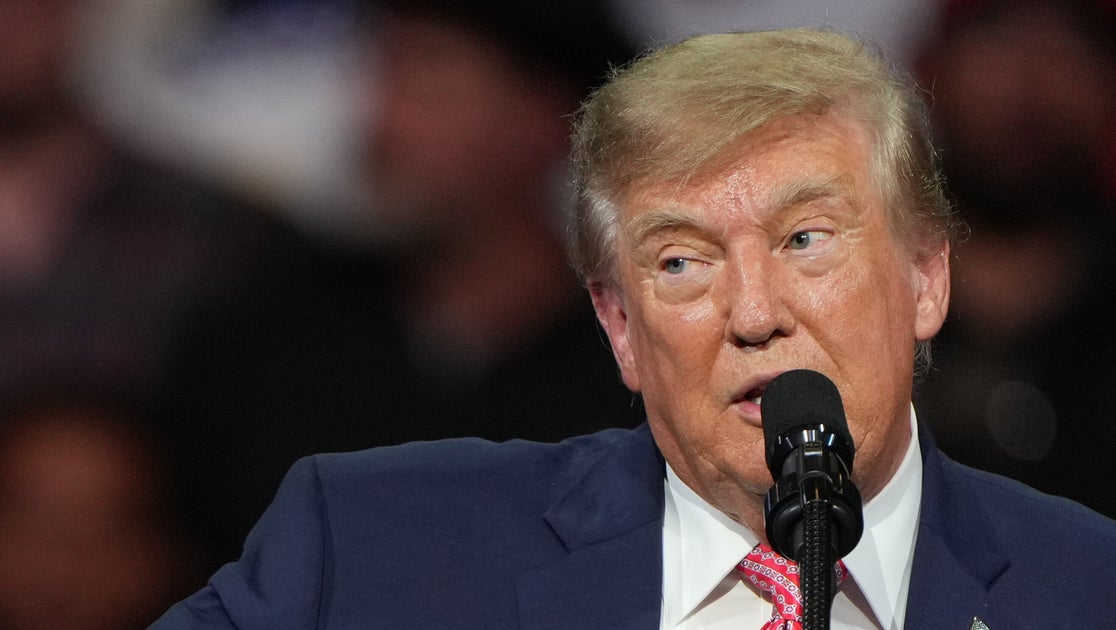
Trump Backs Marshall in Kansas Senate Race Tightened by Farm Costs
President Trump rallied in deep-red Kansas for GOP Sen. Roger Marshall in a competitive race, announcing an $8 billion farm fuel relief program amid high diesel prices. Democrats see an opening to end 94 years of GOP dominance in the state.

Trump Pauses Russia Sanctions Amid Ukraine Tensions and Missile Strikes
Trump waived sanctions on Russia and floated trilateral talks with Putin and Xi as part of ending the Ukraine war, while tensions rose with Zelenskyy over Starlink and arms. Bipartisan senators engaged Zelenskyy amid the shifts.
The Compass
You just read five takes on one story.
What's your take? Find your political shape in a few minutes.
Take the test