
Iran Reimposes Hormuz Controls as US Blockade Persists, Ceasefire Frays

Cover image from cnbc.com, which was analyzed for this article
Iran announced the Strait of Hormuz is under strict control again, accusing the US of violating ceasefire terms with ongoing port blockades and patrols. President Trump expressed optimism for an Iran deal while stating the blockade remains and warning of renewed military action if no agreement. Tanker incidents and shipping disruptions heighten fears as the truce deadline approaches.
PoliticalOS
Saturday, April 18, 2026 — Politics
The Strait of Hormuz has become the immediate test of a fragile, Pakistan-mediated ceasefire due to expire April 22, with Iran's reimposed controls and the persistent U.S. blockade creating mutual accusations that could trigger renewed bombing. Verified incidents like the IRGC firing on a tanker, corroborated ship-tracking reversals, and ongoing diplomatic visits show both sides still maneuvering rather than committed to collapse. Readers should treat casualty totals and specific negotiation details as ranges pending further corroboration, recognizing that control of 20 percent of global oil flow now hinges on whether talks in Islamabad produce concrete compromises on nuclear material and maritime access.
What outlets missed
Most outlets underreported the full timeline of maritime violence, including that Iran began restricting the strait on March 1, 2026, immediately after initial U.S.-Israeli strikes, framing later actions as isolated rather than part of a seven-week cycle. Aggregate shipping data showing 16 merchant vessels damaged, 12 seafarers killed or missing, and bidirectional attacks (Iran claiming responses to ignored warnings) received only glancing mention in analyses but rarely in front-page reporting. The precise trigger for the U.S. blockade—imposed April 13 after reported Iranian mine-laying—was omitted or downplayed in several accounts, leaving readers without clear causation. Finally, varying casualty estimates across sources were often presented without attribution or cross-verification, and the role of specific uranium stockpile burial under bombed sites from a prior 12-day war in June 2025 appeared in only isolated quotes without independent confirmation.
Iran Reopens and Quickly Closes Strait of Hormuz Again Raising Global Risks
The Iranian Revolutionary Guard Corps fired on a commercial tanker northeast of Oman on Saturday shortly after Tehran announced it was reimposing restrictions on the Strait of Hormuz in response to the continuing American naval blockade. The United Kingdom Maritime Trade Organization reported that two Iranian gunboats approached the vessel without warning and opened fire. The tanker’s master said the ship and its crew remained safe and an investigation is underway.
The episode underscores the fragility of a ceasefire that has been in place for barely more than a week in a conflict that has already claimed thousands of lives. Iran had declared the strait open to commercial traffic on Friday only to reverse itself within 24 hours after President Donald Trump stated publicly that the U.S. blockade of Iranian ports would remain in force until a broader agreement is reached. That agreement is supposed to address Tehran’s nuclear program among other issues. The narrow waterway carries roughly one fifth of global oil and liquefied natural gas. Even brief uncertainty over its status ripples immediately through energy markets and the wider world economy.
Trump speaking to reporters aboard Air Force One on Friday struck an optimistic tone saying “we had some pretty good news 20 minutes ago” and that talks were proceeding well. He nevertheless set a firm deadline warning that he might not extend the current two week ceasefire when it expires on Wednesday. The blockade he said would stay regardless. The mixed messaging from both capitals has left shippers and diplomats uncertain which rules are actually in effect. Maritime tracking data showed at least eight tankers successfully transiting the strait Saturday morning while several others reversed course after Iran’s latest declaration.
The back and forth fits a pattern that has defined the conflict since it escalated dramatically in late February. What began as an exchange of strikes between Israel and Iranian backed groups has drawn in direct American military involvement including an aerial campaign against Iranian targets. The fighting has killed at least 3 000 people in Iran nearly 2 300 in Lebanon 23 in Israel and more than a dozen in Gulf Arab states according to tallies compiled by regional authorities. Thirteen U.S. service members have also died. A separate 10 day truce between Israel and Hezbollah in Lebanon appeared to be holding but the maritime theater has grown more volatile with multiple commercial vessels struck by drones or projectiles in recent weeks.
Control of the Strait of Hormuz has become Tehran’s most potent point of leverage. By threatening to restrict passage Iran can pressure global energy prices at a moment when supplies are already constrained. Oil prices fell on Friday amid hopes that U.S. and Iranian negotiators were narrowing differences but they face renewed upward pressure from Saturday’s developments. The stakes extend beyond energy. China which imports substantial volumes of Middle Eastern crude has watched the situation closely. Trump noted that President Xi Jinping was “very happy” when the strait first reopened though that optimism proved short lived.
Negotiations continue in Islamabad where a Pakistani brokered process has brought Vice President JD Vance together with senior Iranian officials including parliamentary speaker Mohammad Bagher Ghalibaf. Last weekend’s round ended without agreement. A major sticking point remains the fate of Iran’s nuclear material. Trump has said the United States and Iran would jointly secure and remove it to American soil once a deal is signed. Iranian officials have described the American blockade itself as a violation of the understandings that led to the initial reopening of the strait.
The latest flare up arrives against a backdrop of profound regional exhaustion. Seven weeks of war have strained economies disrupted shipping and reminded policymakers how interconnected seemingly distant conflicts have become. Analysts have warned that sustained closure or even persistent harassment of commercial traffic through the strait could trigger a broader energy crisis at a time when many nations are still recovering from earlier supply shocks.
For now the immediate questions are practical. Will more vessels be targeted? Will the U.S. respond militarily to the gunfire incident? And can negotiators in Pakistan convert the public optimism expressed by Trump into concrete commitments before the Wednesday deadline? The tanker attack even if no one was injured illustrates how quickly rhetorical brinkmanship can turn kinetic. Each side appears to be testing the other’s red lines while insisting it wants a deal.
The episode also highlights the limits of military pressure as a negotiating tool. The U.S. blockade was intended to force Iran to the table yet it has instead produced a cycle of announcements and reversals that increase uncertainty for global commerce. Whether that pressure ultimately yields a durable agreement or simply prolongs a dangerous stalemate will likely become clearer in the coming days. For the moment the waters near Oman and the critical chokepoint they guard remain tense a reminder that ceasefires on paper do not always translate into calm at sea.
You just read Liberal's take. Want to read what actually happened?
More in Politics

Trump Defends Ramaswamy Ad Using Estranged Mother in Ohio Race
President Trump defended a GOP nominee's ad featuring a Democratic opponent's estranged mother, calling it powerful, while drawing criticism from some Republicans including Ohio Gov. Mike DeWine. The ad has sparked internal GOP tensions ahead of midterms.
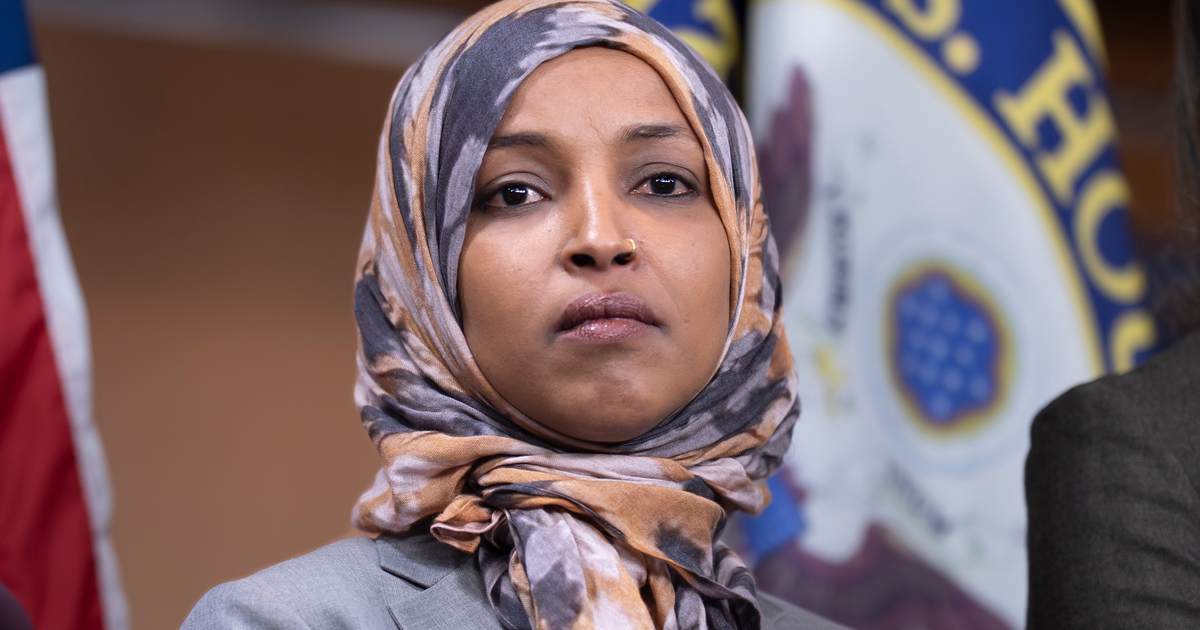
Federal Raid Targets Omar Amid Unresolved Name and Marriage Allegations
Agents searched Rep. Ilhan Omar's DC residence over immigration fraud allegations; she called it bizarre. Reports and commentary questioned her birth name and past marriage details.

Supreme Court Upholds New Hampshire Student ID Voting Ban
The Supreme Court upheld New Hampshire's ban on student IDs as valid voter identification just before midterms, affecting a tight Senate race.
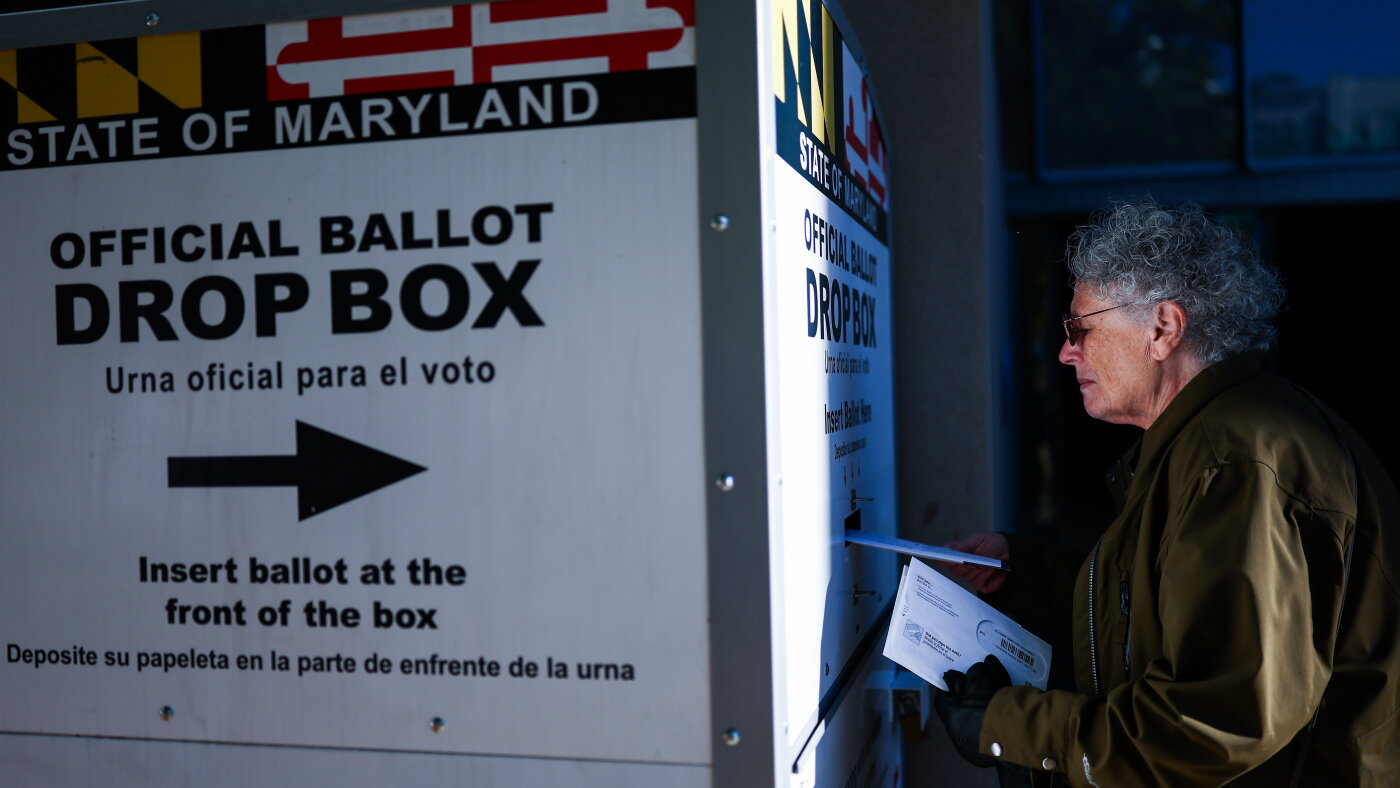
Early Voting Hits 21 Million as Most Trust Midterm Accuracy
Millions have already voted early as parties make final appeals amid $1.4 billion in ad spending; polls show confidence in election accuracy.
The Compass
You just read five takes on one story.
What's your take? Find your political shape in a few minutes.
Take the test