
Iran Seizes Ships in Hormuz as US Blockade Chokes Trade Despite Ceasefire
Cover image from theguardian.com, which was analyzed for this article
Iran's forces seized commercial vessels in the Strait of Hormuz despite the ceasefire extension, as the US maintains a naval blockade and warns of further actions. Mines and attacks on ships deepen the standoff, with no clear timeline for resolution. Coverage spans ceasefire breaches, economic risks, and military warnings.
PoliticalOS
Thursday, April 23, 2026 — Politics
The Strait of Hormuz standoff represents a dangerous economic war of attrition where both the US blockade and Iranian ship seizures risk spiraling into renewed kinetic conflict, yet each side believes time favors its leverage. Verified munitions depletion and contested daily loss figures for Iran underscore real costs on both sides, but claims of imminent regime collapse or total US strategic defeat remain unverified. Readers should recognize that the central unresolved question—whether economic pain will produce a unified Iranian proposal or merely harden hard-liners—will determine if global energy security stabilizes or deteriorates further.
What outlets missed
Most coverage omitted the precise sequence showing US seizure of the M/V Touska on April 20 preceded Iran's April 22 captures, a timeline that undercuts claims of unprovoked Iranian aggression. Few outlets noted the February 28 origins involved Iranian mining that damaged 17 merchant ships and killed over a dozen seafarers, or that both sides have violated the April 8 ceasefire multiple times according to independent timelines. Munitions depletion figures from the CSIS report, including specific ranges for THAAD and SM-6 usage plus the Pentagon's detailed FY27 replenishment plan, received limited attention outside specialized defense reporting. Variations in daily economic loss claims for Iran—ranging from $150 million to $500 million—were rarely flagged as unverified or contested by independent trade data. Finally, the direct role of Defense Secretary Hegseth in firing Navy Secretary Phelan over shipbuilding disputes, rather than a unilateral Trump decision, was downplayed in favor of simpler narratives.
Trump Maintains Economic Pressure on Fractured Iranian Regime as Hormuz Crisis Drags On
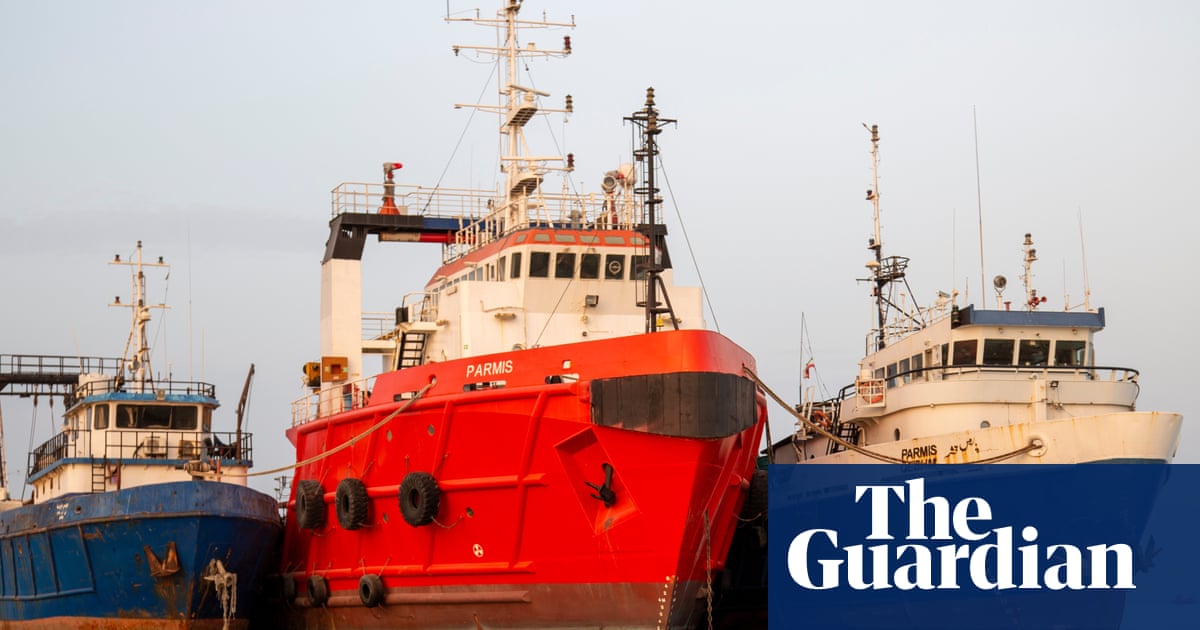
President Donald Trump has extended the ceasefire with Iran indefinitely while keeping a naval blockade in place, a move that continues to impose severe economic pain on a regime already crippled by weeks of conflict. Iranian forces responded by seizing two foreign container ships in the Strait of Hormuz on Wednesday and firing on a third, actions that underscore the regime's determination to use global energy supplies as leverage even as its own economy collapses.
The Strait of Hormuz, which carries about one-fifth of the world's oil and liquefied natural gas in normal times, remains effectively closed to routine maritime traffic. Iran has declared it impossible to reopen the waterway while the United States maintains its blockade of Iranian ports, which began April 13. That blockade is costing Tehran roughly $450 million per day, according to estimates cited across multiple reports. Inflation in Iran has reached triple digits, the currency has plummeted, unemployment is surging, and the regime is struggling to pay its military and police.
These hardships follow a U.S. and Israeli military campaign that eliminated Supreme Leader Ali Khamenei, destroyed much of Iran's missile arsenal and launch infrastructure, and degraded its nuclear program. Ballistic missile production has dropped from 100 per month to zero. Key commanders are gone. The regime's terrorist proxies from Lebanon to Yemen have been battered. Total war damage is estimated at $300 billion. Iran's government is now fractured, with public reports of infighting between the Islamic Revolutionary Guard Corps, Mojtaba Khamenei, and senior political figures.
Trump has described the situation bluntly, noting on Truth Social that Iran is "collapsing financially" and "starving for cash," losing $500 million daily while its forces go unpaid. White House press secretary Karoline Leavitt said Trump is satisfied with the blockade's progress and recognizes Iran's weak position. Senator Lindsey Graham, who spoke with Trump and Defense Secretary Pete Hegseth on Wednesday, endorsed the approach. Graham said the blockade is having a strong effect on Iran's ability to fund terrorism and predicted it could expand globally. He warned that anyone assisting Iran in moving its oil does so at their own peril, calling this the best opportunity since 1979 to change the regime's behavior through sustained pressure and diplomacy.
Yet the conflict has imposed real costs on Americans as well. Gas prices in the United States have jumped 30 percent, contributing to a sharp decline in Trump's approval ratings. The war has also drawn down critical U.S. munitions stockpiles. A Center for Strategic and International Studies analysis estimates that American forces expended more than 850 Tomahawk cruise missiles, more than 1,000 JASSMs, and between 1,060 and 1,430 Patriot interceptors roughly half the prewar inventory. Terminal High Altitude Area Defense and SM-3 interceptors were also heavily used. Rebuilding these stocks will take years, a reminder that even successful limited wars consume resources that must be replenished for future deterrence.
New York Times reporter Maggie Haberman noted that Trump appears frustrated and eager to shift focus to other priorities. She cautioned, however, that wars develop their own momentum and that Iranian leaders appear to believe they can endure more pain than the American president. Tehran has rejected recent negotiating overtures, demanding guarantees against future attacks. Iranian Foreign Minister Abbas Araghchi stated that while both sides want to end the conflict, a significant gap remains because Iran refuses to surrender.
Trump has rejected any artificial timeline, telling Fox News he faces no time pressure. The administration has framed the current phase as "Operation Economic Fury," shifting from kinetic strikes to sustained financial isolation. In a notable personnel move, Trump dismissed Navy Secretary John Phelan over his management of shipbuilding initiatives, signaling an emphasis on restoring naval readiness as the Iran file remains open.
Iran's hard-liners appear to calculate that capturing vessels and holding the strait hostage will fracture Western unity and force concessions. Their recent seizures of foreign ships followed U.S. interception of Iranian tankers and the capture of an Iranian-flagged vessel. These tit-for-tat naval actions continue despite the ceasefire, highlighting the fragility of the pause.
The episode illustrates the stubborn realities of confronting a regime that has spent decades building leverage through terrorism, nuclear ambiguity, and control of energy chokepoints. Decades of inconsistent Western policy allowed Iran to strengthen its position until the current campaign reversed many of those gains. Yet the price tag, measured in American fuel costs, depleted munitions, and prolonged uncertainty, shows that military action is never cost-free.
As negotiations stall, the administration's decision to maintain the blockade while refusing to rush talks reflects a recognition that temporary relief for Iran would simply restore its capacity to threaten global commerce and fund proxies. The regime's survival strategy depends on outlasting American impatience. Whether that strategy succeeds will depend on whether the United States sustains pressure long enough to make the costs of defiance unbearable. For ordinary Iranians suffering under a failing theocracy and for Americans facing higher prices at the pump, the stakes are concrete and immediate. The coming weeks will test whether economic isolation can achieve what airstrikes began: a fundamental change in Iran's behavior.
You just read Conservative's take. Want to read what actually happened?
More in Politics

Trump Defends Ramaswamy Ad Using Estranged Mother in Ohio Race
President Trump defended a GOP nominee's ad featuring a Democratic opponent's estranged mother, calling it powerful, while drawing criticism from some Republicans including Ohio Gov. Mike DeWine. The ad has sparked internal GOP tensions ahead of midterms.

Federal Raid Targets Omar Amid Unresolved Name and Marriage Allegations
Agents searched Rep. Ilhan Omar's DC residence over immigration fraud allegations; she called it bizarre. Reports and commentary questioned her birth name and past marriage details.

Supreme Court Upholds New Hampshire Student ID Voting Ban
The Supreme Court upheld New Hampshire's ban on student IDs as valid voter identification just before midterms, affecting a tight Senate race.
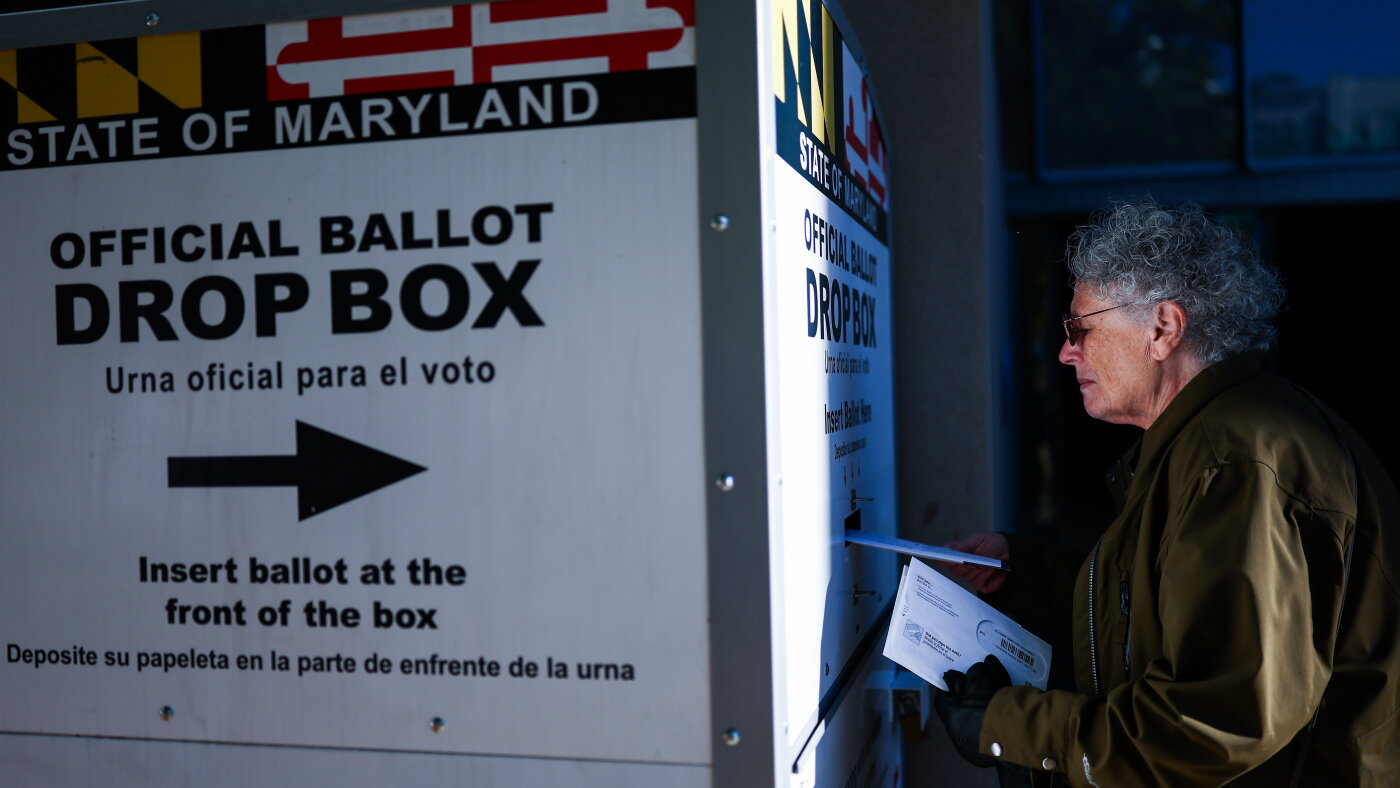
Early Voting Hits 21 Million as Most Trust Midterm Accuracy
Millions have already voted early as parties make final appeals amid $1.4 billion in ad spending; polls show confidence in election accuracy.
The Compass
You just read five takes on one story.
What's your take? Find your political shape in a few minutes.
Take the test