
Iran Seizes Ships in Hormuz as US Blockade Chokes Trade Despite Ceasefire
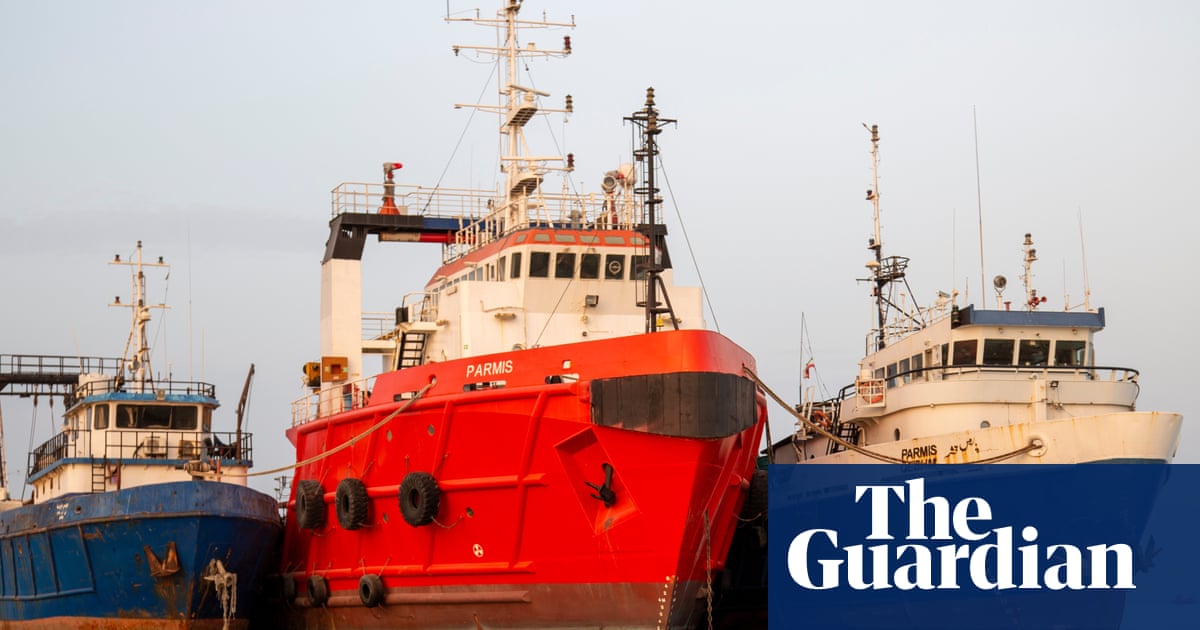
Cover image from theguardian.com, which was analyzed for this article
Iran's forces seized commercial vessels in the Strait of Hormuz despite the ceasefire extension, as the US maintains a naval blockade and warns of further actions. Mines and attacks on ships deepen the standoff, with no clear timeline for resolution. Coverage spans ceasefire breaches, economic risks, and military warnings.
PoliticalOS
Thursday, April 23, 2026 — Politics
The Strait of Hormuz standoff represents a dangerous economic war of attrition where both the US blockade and Iranian ship seizures risk spiraling into renewed kinetic conflict, yet each side believes time favors its leverage. Verified munitions depletion and contested daily loss figures for Iran underscore real costs on both sides, but claims of imminent regime collapse or total US strategic defeat remain unverified. Readers should recognize that the central unresolved question—whether economic pain will produce a unified Iranian proposal or merely harden hard-liners—will determine if global energy security stabilizes or deteriorates further.
What outlets missed
Most coverage omitted the precise sequence showing US seizure of the M/V Touska on April 20 preceded Iran's April 22 captures, a timeline that undercuts claims of unprovoked Iranian aggression. Few outlets noted the February 28 origins involved Iranian mining that damaged 17 merchant ships and killed over a dozen seafarers, or that both sides have violated the April 8 ceasefire multiple times according to independent timelines. Munitions depletion figures from the CSIS report, including specific ranges for THAAD and SM-6 usage plus the Pentagon's detailed FY27 replenishment plan, received limited attention outside specialized defense reporting. Variations in daily economic loss claims for Iran—ranging from $150 million to $500 million—were rarely flagged as unverified or contested by independent trade data. Finally, the direct role of Defense Secretary Hegseth in firing Navy Secretary Phelan over shipbuilding disputes, rather than a unilateral Trump decision, was downplayed in favor of simpler narratives.
Trump's Iran Gamble Backfires as Gas Prices Crush Americans and Missiles Run Low
The war in Iran that President Trump launched with promises of swift regime change and a decisive blow against terrorism has instead dragged into its eighth week, with a fragile ceasefire now extended indefinitely while American families absorb the economic fallout at the gas pump. What began as targeted strikes to eliminate Iran's supreme leader and degrade its nuclear program has evolved into a grinding naval standoff over the Strait of Hormuz, where Iran has seized foreign vessels and maintained a de facto blockade that is costing the global economy dearly and driving up fuel prices in the United States by 30 percent.
Trump himself projected confidence this week on Truth Social, declaring that Iran is "collapsing financially" and "starving for cash," losing half a billion dollars a day under a U.S. naval blockade of its ports. Military and police in Tehran are reportedly unpaid, he said, and the regime is desperate to reopen the strait. Yet the president's decision to extend the ceasefire after Iranian negotiators balked at returning to the table tells a different story. As The New York Times noted, it appears the Iranians believe they can outlast Trump, and the president's own frustration is increasingly visible.
Those close to the administration describe a president eager to pivot to other priorities. New York Times reporter Maggie Haberman, who has covered Trump extensively, told CNN that the president "would like to just be done with this" but that wars prove stubbornly intractable. Intermediaries including Jared Kushner, Steve Witkoff, and Vice President JD Vance continue back-channel efforts, yet Iranian officials insist the United States and Israel have committed flagrant violations of the ceasefire, including the ongoing blockade that Speaker of the Iranian Parliament Mohammad Bagher Ghalibaf called "hostage-taking of the world's economy."
The stakes in the narrow shipping lane are enormous. Roughly one-fifth of the world's oil and liquefied natural gas flows through the Strait of Hormuz in normal times. Iran responded to U.S. strikes and the blockade by capturing two foreign container ships attempting to exit the waterway and firing on a third. This came after American forces seized an Iranian-flagged vessel and intercepted tankers elsewhere in Asian waters. Both sides accuse the other of piracy and escalation. Iran maintains that reopening the strait is "impossible" while these breaches continue. The White House, through press secretary Karoline Leavitt, dismisses the ship seizures as insignificant because they were not American or Israeli vessels and insists the economic pressure campaign known internally as "Operation Economic Fury" gives Trump the upper hand.
Yet the costs to the United States are mounting in ways that will not be easily reversed. A new analysis from the Center for Strategic and International Studies estimates that American forces expended more than half their prewar inventory of Patriot missile interceptors during the 39-day air and missile campaign. Over 850 Tomahawk cruise missiles and more than 1,000 JASSMs were used, along with hundreds of THAAD, SM-3, and SM-6 interceptors that carry price tags in the millions per round. Replenishing these stocks could take years, leaving the military more vulnerable to future threats from peer competitors like China. This is the hidden price of wars sold to the public as limited and surgical.
Senator Lindsey Graham, a longtime advocate of a harder line, praised Trump's decision to maintain the blockade in a post on X, saying he expects it "could become global soon" and that it represents the best chance since 1979 to force behavioral change from the regime. Graham's enthusiasm for expansion stands in contrast to reports that Trump is growing impatient with the pace of negotiations and the fractured leadership in Tehran. The death of Ayatollah Ali Khamenei, the elimination of key commanders, and an estimated $300 billion in war damage have clearly weakened Iran's military capacity. Missile production has halted, proxies from Hezbollah to the Houthis have been degraded, and the currency has collapsed amid triple-digit inflation.
Still, the Islamic Republic has demonstrated a willingness to absorb punishment and inflict pain in return. Its hard-liners appear convinced that Trump's political situation at home, with approval ratings plunging alongside rising pump prices, gives them leverage. The president originally offered no detailed public rationale for the assassination of Khamenei beyond a general desire for regime change. That vagueness has returned to haunt the effort as the conflict settles into an uneasy economic and naval struggle rather than the quick victory once envisioned.
Trump's firing of Navy Secretary John Phelan this week, tied to frustrations over shipbuilding initiatives amid the naval component of the conflict, adds another layer of internal disruption as talks loom. The administration insists everything is proceeding according to plan and that media coverage is exaggerated to damage the president. Yet the gap between Trump's public claims of Iranian desperation and the reality of stalled diplomacy, higher prices for American drivers, and depleted U.S. munitions stockpiles is hard to ignore.
For all the regime's brutality and the legitimate threats it has posed, this conflict is reminding Americans once again of the pattern they have seen for decades: interventions in the Middle East that are easy to start, costly to sustain, and difficult to end without creating new problems. Working families filling their tanks are not interested in grand ideological victories. They want to know why, after years of promises to avoid forever wars, the United States is once more entangled in a confrontation where the pain at home seems to grow faster than progress abroad. Trump's gamble was that maximum pressure would force a breakthrough. So far, the primary breakthrough has been in the wallets of ordinary citizens.
You just read America First's take. Want to read what actually happened?
More in Politics
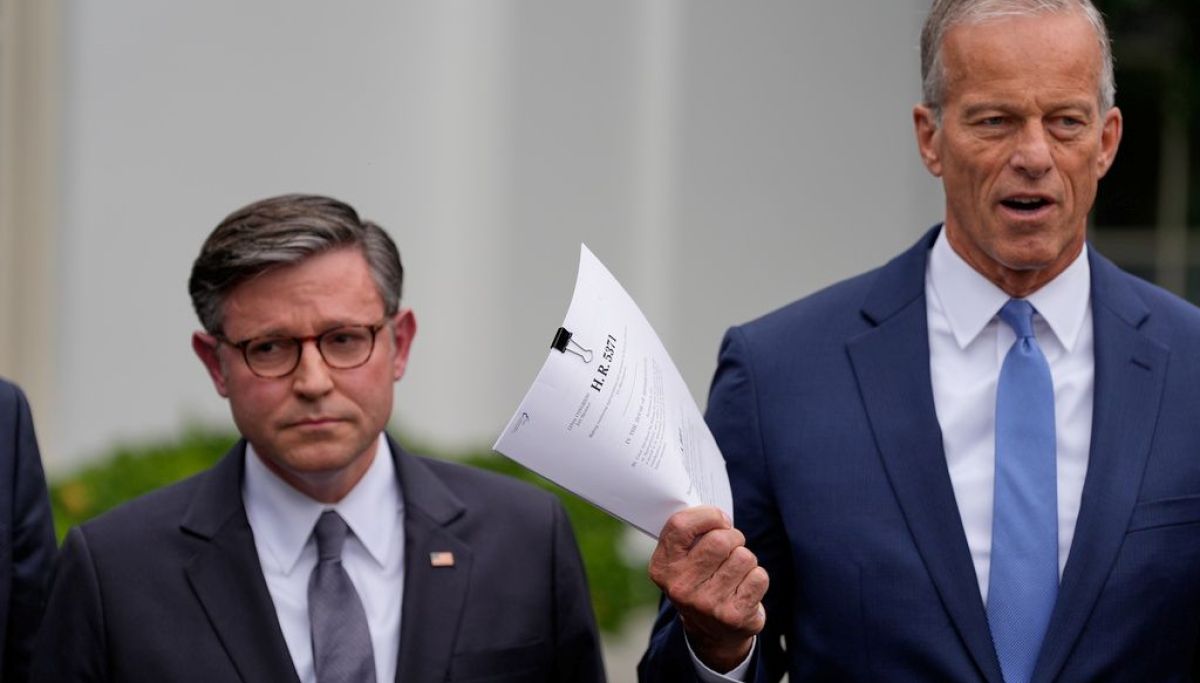
Trump at 32% Approval as Gas Prices Test GOP Midterm Hopes
NYT/Siena polling showed Trump's approval at historic lows around 32 percent with Democrats leading by double digits in key districts. Early voting has surged in battleground states.

Record Early Voting Hits Battlegrounds, Shifting Partisan Shares
AP analysis found hundreds of thousands more early ballots than in 2022 in states including Texas, Ohio, Kansas, Maine, and North Carolina, shifting partisan dynamics.
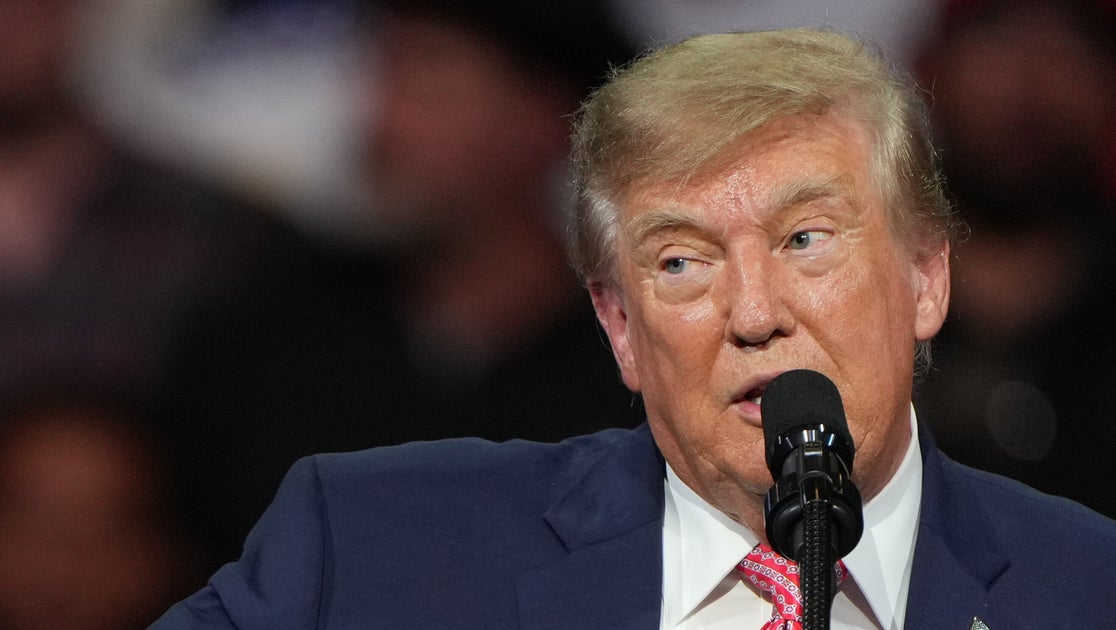
Trump Backs Marshall in Kansas Senate Race Tightened by Farm Costs
President Trump rallied in deep-red Kansas for GOP Sen. Roger Marshall in a competitive race, announcing an $8 billion farm fuel relief program amid high diesel prices. Democrats see an opening to end 94 years of GOP dominance in the state.

Trump Pauses Russia Sanctions Amid Ukraine Tensions and Missile Strikes
Trump waived sanctions on Russia and floated trilateral talks with Putin and Xi as part of ending the Ukraine war, while tensions rose with Zelenskyy over Starlink and arms. Bipartisan senators engaged Zelenskyy amid the shifts.
The Compass
You just read five takes on one story.
What's your take? Find your political shape in a few minutes.
Take the test