
Iran Seizes Ships in Hormuz as US Blockade Chokes Trade Despite Ceasefire
Cover image from theguardian.com, which was analyzed for this article
Iran's forces seized commercial vessels in the Strait of Hormuz despite the ceasefire extension, as the US maintains a naval blockade and warns of further actions. Mines and attacks on ships deepen the standoff, with no clear timeline for resolution. Coverage spans ceasefire breaches, economic risks, and military warnings.
PoliticalOS
Thursday, April 23, 2026 — Politics
The Strait of Hormuz standoff represents a dangerous economic war of attrition where both the US blockade and Iranian ship seizures risk spiraling into renewed kinetic conflict, yet each side believes time favors its leverage. Verified munitions depletion and contested daily loss figures for Iran underscore real costs on both sides, but claims of imminent regime collapse or total US strategic defeat remain unverified. Readers should recognize that the central unresolved question—whether economic pain will produce a unified Iranian proposal or merely harden hard-liners—will determine if global energy security stabilizes or deteriorates further.
What outlets missed
Most coverage omitted the precise sequence showing US seizure of the M/V Touska on April 20 preceded Iran's April 22 captures, a timeline that undercuts claims of unprovoked Iranian aggression. Few outlets noted the February 28 origins involved Iranian mining that damaged 17 merchant ships and killed over a dozen seafarers, or that both sides have violated the April 8 ceasefire multiple times according to independent timelines. Munitions depletion figures from the CSIS report, including specific ranges for THAAD and SM-6 usage plus the Pentagon's detailed FY27 replenishment plan, received limited attention outside specialized defense reporting. Variations in daily economic loss claims for Iran—ranging from $150 million to $500 million—were rarely flagged as unverified or contested by independent trade data. Finally, the direct role of Defense Secretary Hegseth in firing Navy Secretary Phelan over shipbuilding disputes, rather than a unilateral Trump decision, was downplayed in favor of simpler narratives.
Trump Extends Iran Cease Fire as Hormuz Naval Conflict Deepens Economic Pain at Home
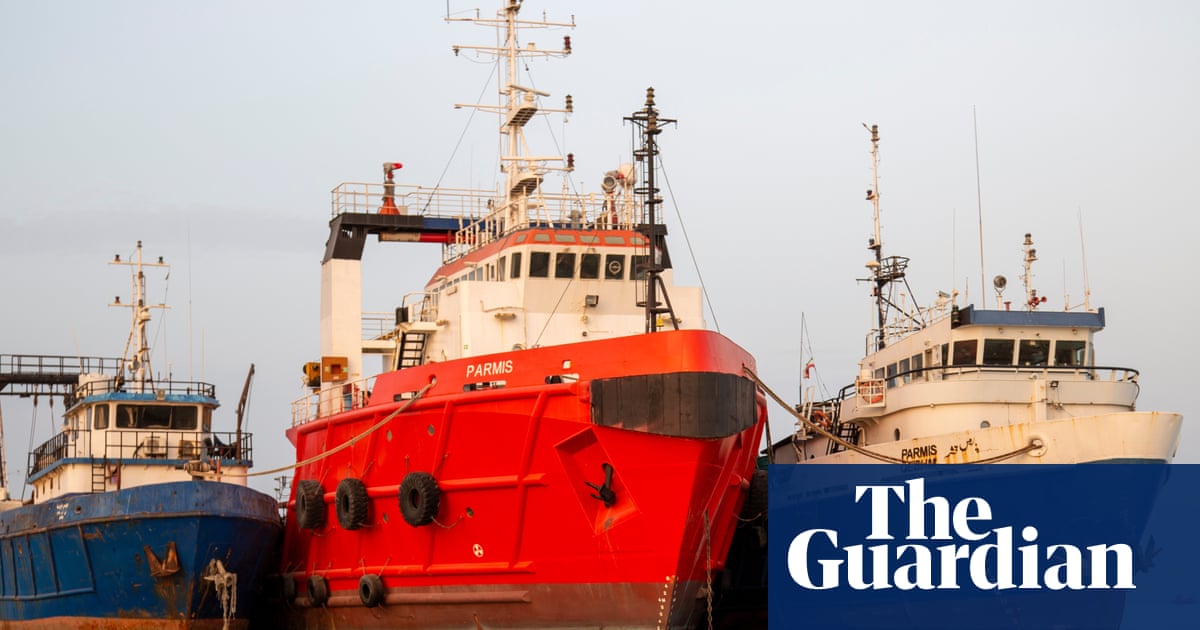
President Donald Trump announced Tuesday that he would extend the ceasefire with Iran indefinitely, citing Tehran’s “seriously fractured” government and its failure to produce a “unified proposal” acceptable to Washington. The decision came hours after Iranian forces seized two foreign container ships in the Strait of Hormuz and fired on a third, the latest escalation in a naval standoff that has now outlasted the initial air and missile campaign.
The move underscores a war that began with American and Israeli strikes that killed Supreme Leader Ali Khamenei and degraded much of Iran’s military and nuclear infrastructure. Trump entered the conflict with a vague aspiration for regime change but without a clearly articulated endgame. Eight weeks later, the fighting has shifted from kinetic strikes to economic and maritime pressure, with both sides accusing the other of violating the ceasefire. Iran has declared it “impossible” to reopen the strait while the United States maintains its naval blockade of Iranian ports, which began April 13.
The economic consequences are already rippling outward. The strait normally carries about one-fifth of global oil and liquefied natural gas shipments. Its effective closure has driven up energy prices worldwide, including a roughly 30 percent increase at American gas pumps. That spike has contributed to a sharp decline in Trump’s approval ratings, already among the lowest of his political career. Iran, meanwhile, is losing an estimated $450 to $500 million per day in oil revenue, according to American officials. Its currency has collapsed, inflation is running in triple digits, and reports suggest military and police units are going unpaid.
Yet Iranian parliamentary speaker and lead negotiator Mohammad Bagher Ghalibaf insisted late Tuesday that his country can endure the pressure longer than the United States can sustain political pain at home. That assessment appears to rest on a reading of Trump’s own public signals. The president has posted repeatedly on Truth Social about Iran “collapsing financially” and “starving for cash,” while simultaneously voicing frustration that the conflict is distracting from other priorities. New York Times reporter Maggie Haberman, who has covered Trump for years, told CNN on Wednesday that the president “would like to just be done with this.” But, she added, “wars are intractable.”
The naval tit-for-tat continues even under the nominal ceasefire. On Monday, U.S. forces captured an Iranian-flagged container ship, prompting Tehran to accuse Washington of “piracy.” American forces have since intercepted multiple Iranian tankers in Asian waters. Iran has responded in kind. The White House has framed the blockade as “Operation Economic Fury,” arguing it holds all the leverage while kinetic strikes remain paused. Press secretary Karoline Leavitt described Trump’s relaxed public posture as strategic, telling Fox News that the president is under “no time pressure” and that media coverage is overblown.
Yet the costs to American military readiness are becoming clearer. A new analysis from the Center for Strategic and International Studies estimates that U.S. forces expended more than half their prewar inventory of Patriot missile interceptors during the 39-day air campaign, along with more than 850 Tomahawk cruise missiles and over 1,000 JASSM standoff weapons. Significant quantities of THAAD, SM-3, and SM-6 interceptors were also used. Rebuilding those stocks could take years, analysts warn, leaving the Pentagon less prepared for potential conflict with a peer competitor such as China. The strain highlights how even a limited war can rapidly consume high-end munitions that cannot be quickly replaced.
Inside Iran, the leadership vacuum left by Khamenei’s death has produced visible tensions between the Islamic Revolutionary Guard Corps, the wounded Mojtaba Khamenei, and senior political figures. The regime has lost key commanders, much of its missile production capacity, and an estimated $300 billion in physical damage. Its regional proxies have also been degraded. Nevertheless, hard-liners appear convinced that Trump’s political vulnerability at home gives them time. They have refused to return to negotiations on American terms, demanding guarantees against future attacks.
The Trump administration continues to work through intermediaries, including Jared Kushner, special envoy Steve Witkoff, and Vice President JD Vance. Senator Lindsey Graham, after speaking with Trump and Defense Secretary Pete Hegseth, endorsed keeping and potentially expanding the blockade, calling it the best chance since 1979 to alter Iranian behavior. Graham warned that any nation assisting Iran’s oil trade “does so at your own peril.”
Complicating the picture further, Trump fired Navy Secretary John Phelan on Wednesday over his management of shipbuilding programs at a moment when naval forces are central to enforcing the blockade. The dismissal, reported alongside other unrelated controversies, adds to the sense of internal churn as the administration tries to balance military pressure with diplomatic outreach.
The fundamental incoherence that has marked American policy from the beginning remains unresolved. Trump launched a war to eliminate Iran’s leadership and nuclear threat without a public strategy for what would follow. Iran’s hard-liners, bloodied but still standing, have calculated that the economic blowback on American consumers and the president’s own impatience will eventually force concessions. For now, the strait remains closed, gas prices remain elevated, and the missile depots at home are emptier than they were two months ago. Whether Trump’s indefinite extension of the ceasefire represents strategic patience or simply a desire to change the subject is the question now shaping the next phase of a conflict that was supposed to be short.
You just read Liberal's take. Want to read what actually happened?
More in Politics

Trump Defends Ramaswamy Ad Using Estranged Mother in Ohio Race
President Trump defended a GOP nominee's ad featuring a Democratic opponent's estranged mother, calling it powerful, while drawing criticism from some Republicans including Ohio Gov. Mike DeWine. The ad has sparked internal GOP tensions ahead of midterms.
Federal Raid Targets Omar Amid Unresolved Name and Marriage Allegations
Agents searched Rep. Ilhan Omar's DC residence over immigration fraud allegations; she called it bizarre. Reports and commentary questioned her birth name and past marriage details.

Supreme Court Upholds New Hampshire Student ID Voting Ban
The Supreme Court upheld New Hampshire's ban on student IDs as valid voter identification just before midterms, affecting a tight Senate race.
Early Voting Hits 21 Million as Most Trust Midterm Accuracy
Millions have already voted early as parties make final appeals amid $1.4 billion in ad spending; polls show confidence in election accuracy.
The Compass
You just read five takes on one story.
What's your take? Find your political shape in a few minutes.
Take the test