
Iran Seizes Ships in Hormuz as US Blockade Chokes Trade Despite Ceasefire
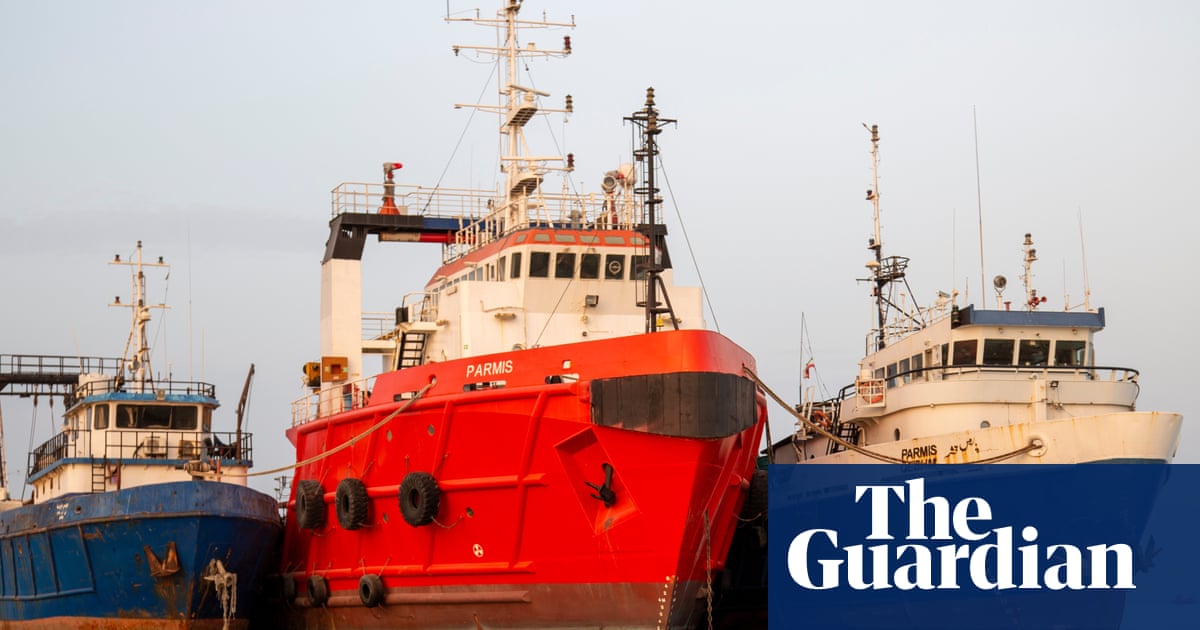
Cover image from theguardian.com, which was analyzed for this article
Iran's forces seized commercial vessels in the Strait of Hormuz despite the ceasefire extension, as the US maintains a naval blockade and warns of further actions. Mines and attacks on ships deepen the standoff, with no clear timeline for resolution. Coverage spans ceasefire breaches, economic risks, and military warnings.
PoliticalOS
Thursday, April 23, 2026 — Politics
The Strait of Hormuz standoff represents a dangerous economic war of attrition where both the US blockade and Iranian ship seizures risk spiraling into renewed kinetic conflict, yet each side believes time favors its leverage. Verified munitions depletion and contested daily loss figures for Iran underscore real costs on both sides, but claims of imminent regime collapse or total US strategic defeat remain unverified. Readers should recognize that the central unresolved question—whether economic pain will produce a unified Iranian proposal or merely harden hard-liners—will determine if global energy security stabilizes or deteriorates further.
What outlets missed
Most coverage omitted the precise sequence showing US seizure of the M/V Touska on April 20 preceded Iran's April 22 captures, a timeline that undercuts claims of unprovoked Iranian aggression. Few outlets noted the February 28 origins involved Iranian mining that damaged 17 merchant ships and killed over a dozen seafarers, or that both sides have violated the April 8 ceasefire multiple times according to independent timelines. Munitions depletion figures from the CSIS report, including specific ranges for THAAD and SM-6 usage plus the Pentagon's detailed FY27 replenishment plan, received limited attention outside specialized defense reporting. Variations in daily economic loss claims for Iran—ranging from $150 million to $500 million—were rarely flagged as unverified or contested by independent trade data. Finally, the direct role of Defense Secretary Hegseth in firing Navy Secretary Phelan over shipbuilding disputes, rather than a unilateral Trump decision, was downplayed in favor of simpler narratives.
Trump's Iran War Exposes Limits of American Power as Hardliners Dig In
Donald Trump’s self-declared triumph over Iran is rapidly unraveling into a grinding stalemate that is inflicting real pain on the American economy while exposing the incoherence at the heart of his decision to launch the conflict. After weeks of U.S. and Israeli strikes that killed Supreme Leader Ali Khamenei, demolished military infrastructure and reduced swaths of Tehran to rubble, the president extended a fragile ceasefire indefinitely on Tuesday. His Truth Social feed painted a picture of total Iranian collapse: “They want the Strait of Hormuz opened immediately—Starving for cash! Losing 500 Million Dollars a day.” Yet the reality on the water and in the markets tells a different story.
Iranian forces seized two foreign container ships attempting to exit the Strait of Hormuz on Wednesday and fired at a third, matching U.S. actions that have included the capture of an Iranian-flagged vessel earlier in the week and the interception of multiple tankers. The narrow waterway, through which roughly one-fifth of global oil and liquefied natural gas passes in peacetime, has become the focal point of a naval shadow war that continues despite the nominal ceasefire. Tehran has effectively shut down commercial traffic, driving up worldwide energy prices. In the United States, gasoline costs have jumped 30 percent, delivering a direct hit to household budgets and helping crater Trump’s already dismal approval ratings to new lows.
The New York Times reported that Iranian officials viewed Trump’s ceasefire extension—issued after Tehran refused to return to negotiations—as proof that “Trump blinked first.” That assessment aligns with reporting from Maggie Haberman, who told CNN that the president is “clearly frustrated” and “would like to just be done with this.” Haberman noted that wars, once begun, develop their own intractable momentum regardless of a leader’s desire to pivot to other priorities. Trump’s public bluster about Iranian desperation, she suggested, does not appear to match the calculations being made in Tehran or even by intermediaries engaged by Jared Kushner, Steve Witkoff and Vice President JD Vance.
Iranian parliamentary speaker and lead negotiator Mohammad Bagher Ghalibaf was blunt: reopening the strait is “impossible” while the United States and Israel continue “flagrant” ceasefire violations, including the naval blockade of Iranian ports that Tehran describes as “hostage-taking of the world’s economy.” The blockade, which began April 13, is costing Iran nearly $450 million a day according to some estimates. Yet Iranian leaders appear to believe they can endure that pain longer than Trump can withstand political damage at home. Their confidence is not baseless. The Islamic Republic’s leadership, though fractured after Khamenei’s death and the elimination of key commanders, retains enough cohesion to keep playing a weak hand aggressively.
The New Republic rightly points out that Trump never possessed a coherent rationale—public or private—for the initial assassination and bombing campaign beyond a nebulous wish for “regime change.” Eight weeks later, the regime remains in place, albeit badly damaged. Its missile production has halted, half its arsenal is degraded, and its nuclear sites have been hit hard. Proxies in Lebanon, Gaza, Iraq and Yemen have taken blows. Yet those same proxies continue to vow resistance, and the regime’s internal rivalries between the IRGC, Mojtaba Khamenei and civilian leaders have not yet produced the outright collapse Trump predicted.
Meanwhile the United States is paying its own price. A Center for Strategic and International Studies analysis estimates that Washington expended more than half its Patriot missile interceptors, over 850 Tomahawk cruise missiles, more than 1,000 JASSMs and hundreds of high-end THAAD, SM-3 and SM-6 interceptors in just 39 days of intense fighting. Replenishing those stocks will take years and billions of dollars. Senator Lindsey Graham, never one to let a conflict stagnate, told Fox News he spoke with Trump and Defense Secretary Pete Hegseth and expects the blockade to expand, possibly going global. “To those assisting or thinking about assisting the Iranian regime in distributing its oil… you do so at your own peril,” Graham warned. The South Carolina senator called the current moment “the best chance since 1979 to change the behavior of the regime.”
White House press secretary Karoline Leavitt insists everything is proceeding according to plan and that media coverage is exaggerated to harm the president. She described the conflict’s new phase as “Operation Economic Fury,” claiming Trump holds all the cards. Yet Trump himself told Fox News he is under “no time pressure” and has “no timeline” for ending the war—an admission that the four-to-six-week conflict he originally forecast has slipped into an open-ended ordeal.
The spectacle of ship seizures, dueling blockades and competing claims of imminent victory would be almost farcical if the stakes were not so high. Global energy markets remain volatile. The risk of miscalculation in the congested waters of the Strait of Hormuz is constant. And the original strategic objective—decisive regime change that would reshape the Middle East—has quietly been abandoned in favor of hoping that economic pressure might force a “unified proposal” from a fractured Iranian leadership that shows no sign of providing one.
Trump’s frustration is palpable. Iran’s hardliners, by contrast, appear to have taken his measure. They understand that American politics rewards quick wins and punishes open-ended quagmires. By keeping the strait closed and the economic pain flowing toward U.S. consumers, they are testing whether Trump’s appetite for this fight matches his rhetoric. So far, the evidence suggests it does not. The longer this unnecessary war drags on, the clearer it becomes that the United States has once again overestimated its ability to impose its will on a region that has repeatedly humbled great powers. The only remaining question is how much more damage will be done before someone finally admits it.
You just read Progressive's take. Want to read what actually happened?
More in Politics
Trump at 32% Approval as Gas Prices Test GOP Midterm Hopes
NYT/Siena polling showed Trump's approval at historic lows around 32 percent with Democrats leading by double digits in key districts. Early voting has surged in battleground states.

Record Early Voting Hits Battlegrounds, Shifting Partisan Shares
AP analysis found hundreds of thousands more early ballots than in 2022 in states including Texas, Ohio, Kansas, Maine, and North Carolina, shifting partisan dynamics.
Trump Backs Marshall in Kansas Senate Race Tightened by Farm Costs
President Trump rallied in deep-red Kansas for GOP Sen. Roger Marshall in a competitive race, announcing an $8 billion farm fuel relief program amid high diesel prices. Democrats see an opening to end 94 years of GOP dominance in the state.

Trump Pauses Russia Sanctions Amid Ukraine Tensions and Missile Strikes
Trump waived sanctions on Russia and floated trilateral talks with Putin and Xi as part of ending the Ukraine war, while tensions rose with Zelenskyy over Starlink and arms. Bipartisan senators engaged Zelenskyy amid the shifts.
The Compass
You just read five takes on one story.
What's your take? Find your political shape in a few minutes.
Take the test