
Iran-Oman Hormuz talks near deal as Trump eyes end to war
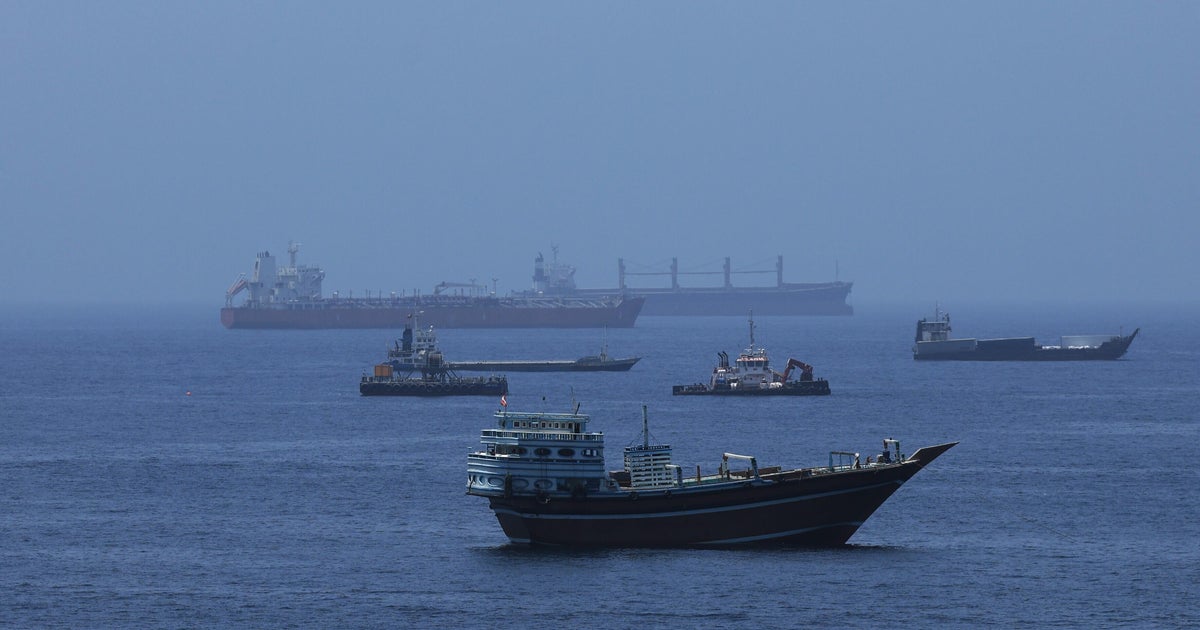
Cover image from cbsnews.com, which was analyzed for this article
President Trump said negotiations with Iran over the Strait of Hormuz are moving forward. Some Iranian lawmakers have pushed to restrict US and Israeli access.
PoliticalOS
Friday, August 7, 2026 — Politics
A narrow technical agreement on Hormuz routing may be reachable within days, yet it would still leave the larger questions of war aims, weapons inventories, and long-term control of the waterway unresolved. Readers should watch whether any announced deal includes fees or Iranian route authority, the two points Washington has publicly ruled out.
What outlets missed
Al Jazeera omitted that Iran closed the strait in early March 2026, an action that preceded later U.S. and Israeli strikes and triggered the energy crisis. CBS and Newsmax did not report the unverified Iranian parliamentary bill cited by Fars. None of the outlets independently confirmed the exact split of service-fee revenue or the final coordinates agreed upon by Iran and Oman. The initiation sequence and the single-source nature of the bill remain the clearest gaps across the coverage.
Global oil markets remain under pressure while negotiators from Iran and Oman advance a plan to manage traffic through the Strait of Hormuz, the waterway that carries roughly one-fifth of the world’s oil and liquefied natural gas. A workable arrangement would ease the energy crisis that followed the strait’s closure and could open the way for broader talks to halt the ongoing conflict.
The central tension is control. Iran seeks authority over routes in its territorial waters and the option to collect service fees; the United States has rejected both. On Thursday, Iran and Oman reported agreement on shipping coordinates. Iranian Foreign Minister Esmaeil Baqaei told state broadcaster IRIB that mechanisms for future traffic management are under discussion and that final results will be announced after talks conclude. President Trump told reporters traveling with him in California that an announcement could come as soon as Wednesday or Thursday and that “a lot of progress has been made.”
Iranian officials have said they are speaking only to Oman, not directly to Washington. An Iranian source familiar with the talks described the remaining issues as largely technical: inbound traffic would use the channel nearest Iran, outbound traffic the Omani side, with revenue from a service fee divided between the two countries. The Trump administration has stated it will not accept Iranian control or tolls. A U.S. official, speaking on condition of anonymity, said any temporary routes will carry no charges.
Shipping data show traffic through the strait rose to 84 transits last week from 45 the week before, yet remains far below the more than 700 transits recorded in a typical pre-crisis week, according to Lloyd’s List Intelligence. At least two vessels were struck and others reported near misses or warnings attributed to Iran’s Revolutionary Guard in the past week. U.S. Central Command said the southern route remains open and that its forces have assisted more than 1,000 vessels in recent months.
Trump has repeatedly predicted the conflict will end soon, telling reporters in the Oval Office that “I don’t think they can go much longer.” Iranian officials have countered that they are prepared for a prolonged confrontation. Two sources with direct knowledge told CBS News that the United States has expended nearly all of its global stockpile of Army Tactical Missile Systems and Precision Strike Missiles. Defense Secretary Pete Hegseth has dismissed concerns about inventories, and Trump posted that “massive amounts” of weapons remain available.
Iran’s parliament speaker, Mohammad Bagher Ghalibaf, accused the United States of conducting “theater diplomacy” and called for Washington to fulfill commitments. An unnamed Iranian lawmaker cited by Fars news agency said a parliamentary committee is reviewing a bill that would bar U.S., Israeli, and other “hostile” vessels; that measure has not been corroborated by other outlets. Analysts at the Quincy Institute and the Middle East Institute told Al Jazeera that repeated U.S. threats followed by walk-backs have reduced negotiating credibility on both sides.
Any agreement on the strait would be temporary, according to regional officials who spoke to The Associated Press on condition of anonymity. Broader questions about the war’s objectives and the terms of any ceasefire remain unresolved.
More in Politics

Federal Agents Search Omar Home in Ongoing Immigration Probe
Homeland Security agents searched the Minnesota Democrat's DC residence in a criminal probe, prompting accusations of political intimidation from Omar and Democratic leaders. Coverage spans left-leaning outlets like NPR, BBC, and The Guardian alongside right-leaning criticism from The Federalist and Daily Wire.

Trump Diesel Import Plan Draws Pushback Over Russia Ties
The weekend agreement drew bipartisan congressional pushback and criticism from Ukraine's Zelenskyy, with analysts downplaying US fuel price impacts. Right-leaning outlets like National Review, Dispatch, and Washington Examiner questioned its legality and effectiveness.

Independents Test Voter Appetite for Middle Ground in 2026 Midterms
Nearly 200 independents are running in competitive races as voters weigh ballot measures on housing costs in states like Massachusetts. Left-leaning coverage from NYT, NPR, and Guardian highlights turnout and key races while right outlets focus on GOP strategy.
Trump Rallies in Alaska, Ohio to Bolster GOP Senate Candidates
The president rallied in Wasilla for Sen. Dan Sullivan and faced empty seats at an Ohio event amid midterm concerns. Outlets across the spectrum covered the trips as signals of GOP vulnerability weeks before Election Day.
The Compass
You just read five takes on one story.
What's your take? Find your political shape in a few minutes.
Take the test