
Trump-Xi Summit Yields No Iran Breakthrough

Cover image from aljazeera.com, which was analyzed for this article
Trump revealed China offered help on Iran nuclear deal and reopening Strait of Hormuz, but summit yielded no resolution. US strikes have severely degraded Iran's military amid day 77 of conflict. Tensions continue to disrupt shipping and rally BRICS support for Tehran.
PoliticalOS
Friday, May 15, 2026 — Politics
The summit produced rhetorical agreement that the Strait of Hormuz must remain open but no mechanism or timeline to achieve it. US military pressure has degraded Iranian capabilities yet left the core shipping impasse unresolved, with both sides believing time favors their position.
What outlets missed
Most coverage omitted the precise sequence of February 28 strikes that killed Iran's supreme leader and senior commanders before Iranian missile retaliation began. Few outlets reported the April 8 ceasefire declaration or the subsequent partial reopening of select Hormuz transits under IRGC oversight. The scale of Iranian casualties exceeding 3,000 and the specific US intelligence dispute over remaining Iranian missile inventories at 70 percent rather than 18-19 percent received little attention outside specialist reporting.
Trump's Iran Standoff Raises Fuel Costs For American Farmers
American farmers are absorbing the latest blow from the prolonged conflict with Iran, as fuel and fertilizer prices have surged since the fighting began in February. The closure of the Strait of Hormuz by Tehran has restricted oil flows and pushed energy expenses higher across the Midwest and South, leaving growers facing thin margins at planting time.
In Iowa, third-generation farmer Alan Montag reported sharp increases in diesel and fertilizer bills compared with last spring. Similar pressures hit North Carolina, where ninth-generation grower Charles Harden described a 12-inch rain shortfall compounding the problem. Harden's operation, which includes soybeans, corn, peanuts and cattle, started the year in drought conditions that mirror the end of 2025. He called the current squeeze the toughest period for U.S. agriculture in the nation's history.
The economic strain stems directly from Iran's decision to limit tanker traffic through Hormuz, the route for roughly one-fifth of global oil supplies. Even with a fragile ceasefire holding, the waterway remains under de facto Iranian control, forcing buyers to pay premiums or reroute shipments. U.S. Trade Representative Jamieson Greer said after this week's Beijing summit that China wants the strait reopened without tolls or military restrictions, a position that aligns with Beijing's role as Iran's top oil customer.
President Trump met Chinese leader Xi Jinping for more than 40 hours of talks and reported that Xi pledged not to supply military equipment to Iran. Trump described the commitment as significant and noted Xi's willingness to help end the fighting. Yet the two sides reached no concrete agreement on reopening Hormuz or securing a broader settlement. Chinese officials continued to call for an immediate ceasefire and criticized the original U.S.-Israeli strikes, while Iranian Foreign Minister Abbas Araghchi urged BRICS partners to condemn Western actions.
The absence of a breakthrough leaves American producers exposed. Fertilizer production relies heavily on natural gas, whose price has climbed with oil volatility. Trucking costs for seed, equipment and harvested crops have followed the same upward curve. Harden said the combination of higher inputs and uncertain export markets threatens viability for operations already operating on narrow returns.
Trump has framed the campaign as necessary to block Iranian nuclear ambitions, though he recently described seizing enriched uranium stocks as partly a public-relations exercise. Military analysts note that Iran's core leadership structures remain intact despite losses, and the stalemate over Hormuz continues to serve as Tehran's strongest bargaining chip. Until that route reopens fully, energy prices are likely to stay elevated, passing further costs down to the farm level.
Farm-state lawmakers have so far offered limited relief measures, focusing instead on the diplomatic track with China. For growers like Montag and Harden, the immediate outlook hinges on whether Washington can convert the Beijing discussions into tangible movement on energy flows before the fall harvest begins.
You just read America First's take. Want to read what actually happened?
More in Politics
Trump at 32% Approval as Gas Prices Test GOP Midterm Hopes
NYT/Siena polling showed Trump's approval at historic lows around 32 percent with Democrats leading by double digits in key districts. Early voting has surged in battleground states.

Record Early Voting Hits Battlegrounds, Shifting Partisan Shares
AP analysis found hundreds of thousands more early ballots than in 2022 in states including Texas, Ohio, Kansas, Maine, and North Carolina, shifting partisan dynamics.
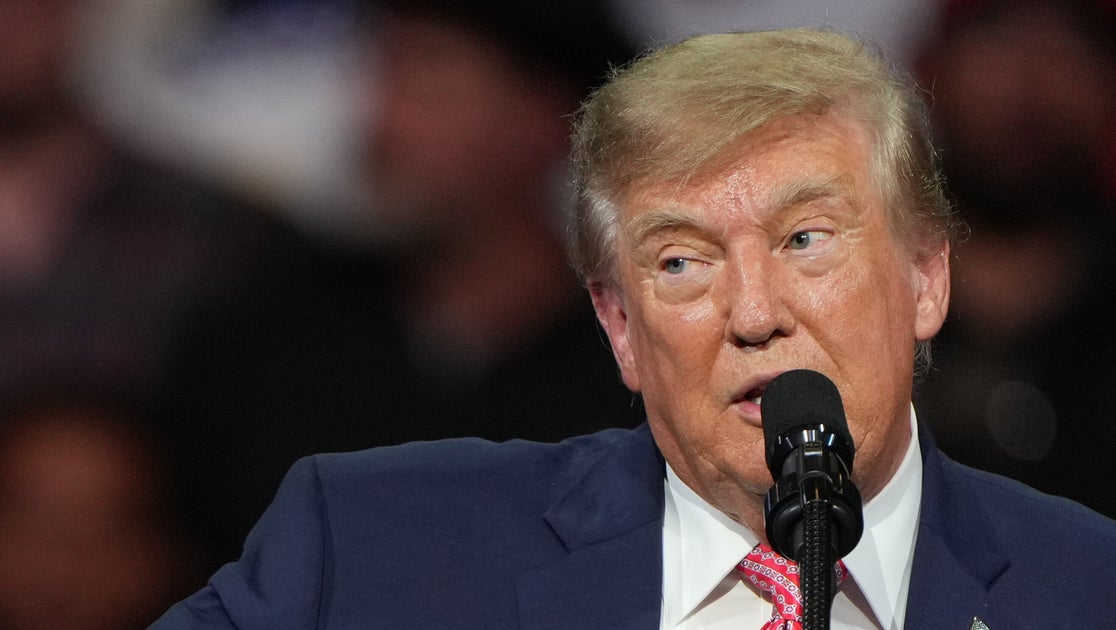
Trump Backs Marshall in Kansas Senate Race Tightened by Farm Costs
President Trump rallied in deep-red Kansas for GOP Sen. Roger Marshall in a competitive race, announcing an $8 billion farm fuel relief program amid high diesel prices. Democrats see an opening to end 94 years of GOP dominance in the state.

Trump Pauses Russia Sanctions Amid Ukraine Tensions and Missile Strikes
Trump waived sanctions on Russia and floated trilateral talks with Putin and Xi as part of ending the Ukraine war, while tensions rose with Zelenskyy over Starlink and arms. Bipartisan senators engaged Zelenskyy amid the shifts.
The Compass
You just read five takes on one story.
What's your take? Find your political shape in a few minutes.
Take the test