
Trump-Xi Summit Yields No Iran Breakthrough

Cover image from aljazeera.com, which was analyzed for this article
Trump revealed China offered help on Iran nuclear deal and reopening Strait of Hormuz, but summit yielded no resolution. US strikes have severely degraded Iran's military amid day 77 of conflict. Tensions continue to disrupt shipping and rally BRICS support for Tehran.
PoliticalOS
Friday, May 15, 2026 — Politics
The summit produced rhetorical agreement that the Strait of Hormuz must remain open but no mechanism or timeline to achieve it. US military pressure has degraded Iranian capabilities yet left the core shipping impasse unresolved, with both sides believing time favors their position.
What outlets missed
Most coverage omitted the precise sequence of February 28 strikes that killed Iran's supreme leader and senior commanders before Iranian missile retaliation began. Few outlets reported the April 8 ceasefire declaration or the subsequent partial reopening of select Hormuz transits under IRGC oversight. The scale of Iranian casualties exceeding 3,000 and the specific US intelligence dispute over remaining Iranian missile inventories at 70 percent rather than 18-19 percent received little attention outside specialist reporting.
Trump Xi Meeting Brings Little Clarity on Iran War as Costs Mount for US Farmers
President Donald Trump returned from Beijing on Friday after two days of meetings with Chinese leader Xi Jinping, leaving open questions about how the world’s two largest economies will coordinate to end a war now in its 77th day. While both sides agreed that the Strait of Hormuz should stay open to commercial traffic, the summit produced no detailed plan for reopening the vital waterway or for securing a broader ceasefire between the United States and Iran.
Trump told reporters traveling with him that Xi had pledged not to supply military equipment to Iran and had offered to help end the conflict. Chinese officials, however, emphasized their longstanding call for an immediate halt to hostilities and avoided any public commitment to pressure Tehran on specific terms. U.S. Trade Representative Jamieson Greer said Beijing wants the strait free of tolls or military restrictions, describing the Chinese position as pragmatic and focused on stable energy markets. Yet no timeline emerged for restoring full shipping volumes, which have been curtailed since Iranian forces restricted passage in response to U.S. and Israeli strikes.
The lack of concrete progress comes at a time when the war’s economic effects are landing heavily on American agriculture. Farmers in the Midwest and Southeast report sharp increases in diesel and fertilizer prices compared with last spring, driven by uncertainty over global oil flows. In Bertie County, North Carolina, ninth-generation farmer Charles Harden described the spring as the most difficult period he has seen in decades. Local rainfall is roughly a foot below normal, compounding the challenge of planting soybeans, corn, peanuts, and cucumbers while cattle feed costs continue to climb.
Similar pressures appear in Iowa, where soybean and corn producers are absorbing higher fuel expenses just as planting reaches full swing. The combination of elevated input costs and volatile commodity markets has left many operators with thin margins and limited room for further shocks. Agricultural economists note that prolonged disruption through the Strait of Hormuz, which carries roughly one-fifth of global oil trade, tends to transmit quickly into Midwest energy and chemical prices.
Trump administration officials continue to frame the campaign as necessary to prevent Iran from acquiring a nuclear weapon. They have also shifted emphasis toward recovering existing stockpiles of enriched uranium. The president acknowledged in a recent interview that retrieving the material serves a public-relations purpose as much as a strategic one, underscoring the difficulty of declaring victory while Iranian forces maintain their position along the strait.
China remains Iran’s largest oil customer, giving Beijing leverage that Washington has sought to enlist. Yet Chinese statements during the summit avoided direct criticism of Iran and instead urged both sides to de-escalate. Iranian Foreign Minister Abbas Araghchi, meanwhile, used a BRICS gathering in New Delhi to argue that the conflict violates international law and to accuse the United Arab Emirates of direct involvement.
With no breakthrough in Beijing, attention now turns to whether subsequent diplomatic channels can convert the shared interest in open energy routes into a workable ceasefire framework. Until that happens, the war’s daily costs continue to accumulate for American producers who have little influence over either the battlefield or the negotiating table.
You just read Liberal's take. Want to read what actually happened?
More in Politics
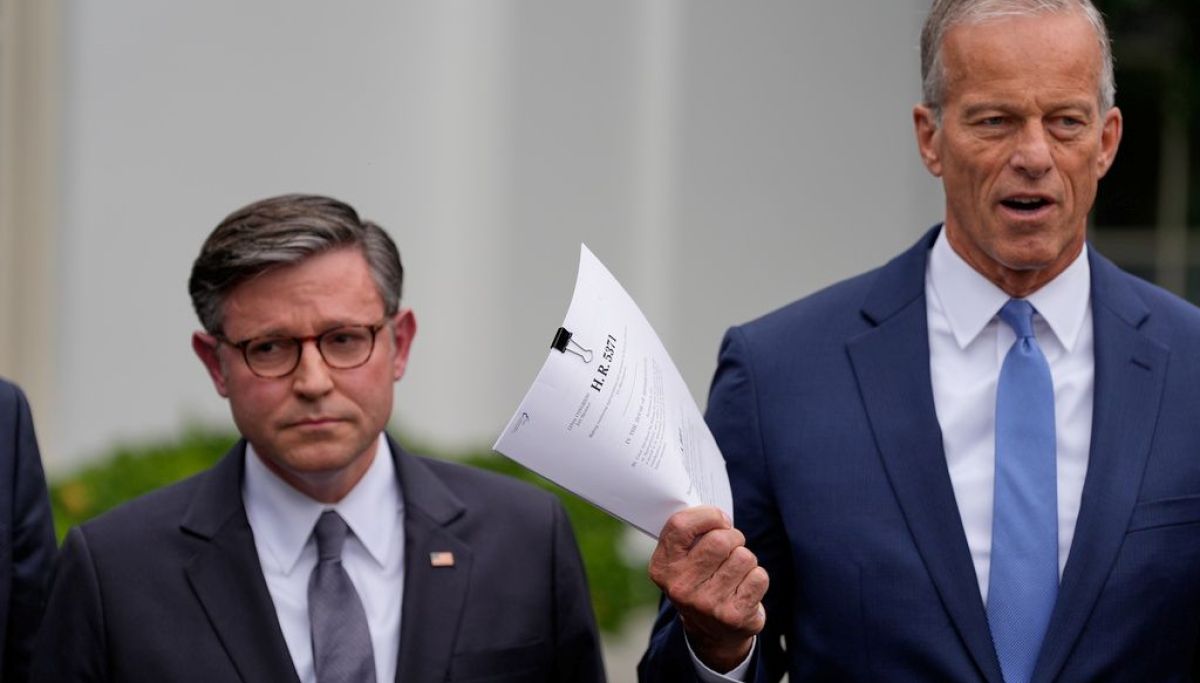
Trump at 32% Approval as Gas Prices Test GOP Midterm Hopes
NYT/Siena polling showed Trump's approval at historic lows around 32 percent with Democrats leading by double digits in key districts. Early voting has surged in battleground states.

Record Early Voting Hits Battlegrounds, Shifting Partisan Shares
AP analysis found hundreds of thousands more early ballots than in 2022 in states including Texas, Ohio, Kansas, Maine, and North Carolina, shifting partisan dynamics.
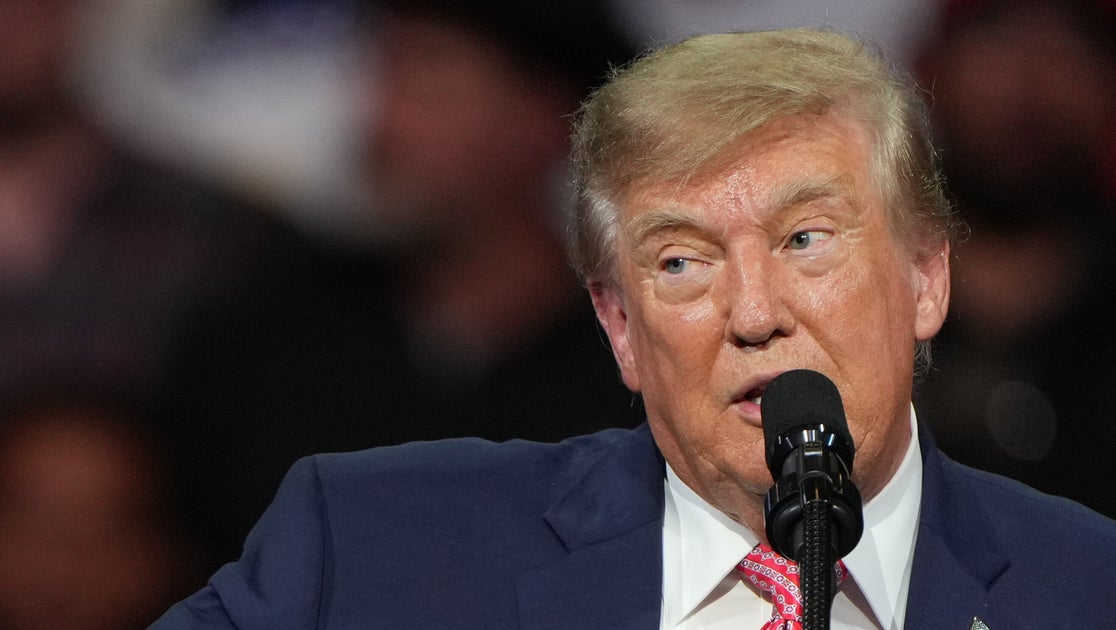
Trump Backs Marshall in Kansas Senate Race Tightened by Farm Costs
President Trump rallied in deep-red Kansas for GOP Sen. Roger Marshall in a competitive race, announcing an $8 billion farm fuel relief program amid high diesel prices. Democrats see an opening to end 94 years of GOP dominance in the state.

Trump Pauses Russia Sanctions Amid Ukraine Tensions and Missile Strikes
Trump waived sanctions on Russia and floated trilateral talks with Putin and Xi as part of ending the Ukraine war, while tensions rose with Zelenskyy over Starlink and arms. Bipartisan senators engaged Zelenskyy amid the shifts.
The Compass
You just read five takes on one story.
What's your take? Find your political shape in a few minutes.
Take the test