
Trump Urges Immediate Ceasefire After Iran-Israel Missile Exchanges

Cover image from washingtonexaminer.com, which was analyzed for this article
Israel and Iran exchanged missile strikes, fraying a fragile ceasefire. President Trump urged both sides to stop shooting immediately while claiming influence over negotiations.
PoliticalOS
Monday, June 8, 2026 — Politics
The April ceasefire remains intact on paper but is under immediate strain from direct missile exchanges and competing demands over Lebanon. Trump’s public calls for de-escalation have not halted the cycle, leaving the durability of any negotiated deal dependent on whether both sides accept limits they have so far resisted.
What outlets missed
Several accounts omitted that no casualties were confirmed on either side despite the scale of reported missile fire. Few detailed the precise sequence of Hezbollah rocket activity into northern Israel in the days immediately preceding the Beirut strike that triggered Iran’s response. Most outlets did not independently verify the exact timestamps or wording of Trump’s Truth Social posts beyond the widely quoted phrases. Coverage rarely noted that the U.S. military was not involved in the Israeli strikes on Iran, according to U.S. officials cited by multiple wires.
Trump Urges Israel and Iran to Halt Strikes as April Ceasefire Unravels
President Donald Trump called on Israel and Iran to stop shooting Monday after the two sides traded missile and airstrikes in the first direct clashes since an April truce. The exchanges began when Iran fired dozens of ballistic missiles toward northern Israel in response to Israeli operations against Hezbollah targets in Lebanon. Israel then struck Iranian military sites and a petrochemical complex, prompting further Iranian launches and Houthi missile attempts from Yemen.
Trump posted on Truth Social that both nations must immediately cease fire. In a follow-up message he stated that final negotiations on peace were advancing despite possible interference from ignorance or poor decisions. He added that a blockade would stay in force until a final agreement. US officials indicated Trump had advised Israeli Prime Minister Benjamin Netanyahu against retaliation to preserve talks, but those warnings went unheeded.
The latest round of attacks followed weeks of building friction. Iran had warned it would respond to strikes in Beirut, while Israel maintained its operations targeted Iranian-backed groups. No casualties were reported from the overnight exchanges, though explosions were confirmed in Tehran, Isfahan, Tabriz and other Iranian cities. Israeli defenses intercepted most incoming missiles, with debris landing as far as Jordan.
Economic effects appeared quickly. Brent crude oil prices rose more than five percent, reaching above 96 dollars a barrel, reflecting concerns over energy supplies and shipping through the Strait of Hormuz. Asian stock markets declined on the news. Yemen's Houthis announced a ban on Israeli-linked vessels in the Red Sea, raising the prospect of renewed disruptions to global trade routes.
Trump has described the conflict as one that has persisted for decades and argued that current US involvement would not become an endless commitment. He has pressed for an interim arrangement that would ease shipping restrictions and allow nuclear talks to resume. Sources close to the administration noted that Netanyahu's decisions created friction with Washington, even as the two leaders maintained public contact.
Analysts tracking the diplomacy observed that Iran's use of proxies and direct retaliation has complicated efforts to reach a stable pause. Israel's focus on degrading threats in Lebanon and beyond has continued despite American preferences for restraint during negotiations. Both patterns reflect long-standing strategic calculations rather than sudden shifts.
The episode underscores the limits of external pressure in altering core security priorities for the parties involved. Past attempts at broad regional settlements have often stalled when one side perceived an opening to improve its position through force. Monday's events fit that pattern, with each government responding to perceived violations of earlier understandings.
US military involvement remained limited to defensive support, such as assistance with interceptions, while the administration continued to signal openness to a deal. Oil market movements and shipping warnings illustrated the wider costs that accompany any return to sustained confrontation.
You just read Conservative's take. Want to read what actually happened?
More in Politics
Trump at 32% Approval as Gas Prices Test GOP Midterm Hopes
NYT/Siena polling showed Trump's approval at historic lows around 32 percent with Democrats leading by double digits in key districts. Early voting has surged in battleground states.

Record Early Voting Hits Battlegrounds, Shifting Partisan Shares
AP analysis found hundreds of thousands more early ballots than in 2022 in states including Texas, Ohio, Kansas, Maine, and North Carolina, shifting partisan dynamics.
Trump Backs Marshall in Kansas Senate Race Tightened by Farm Costs
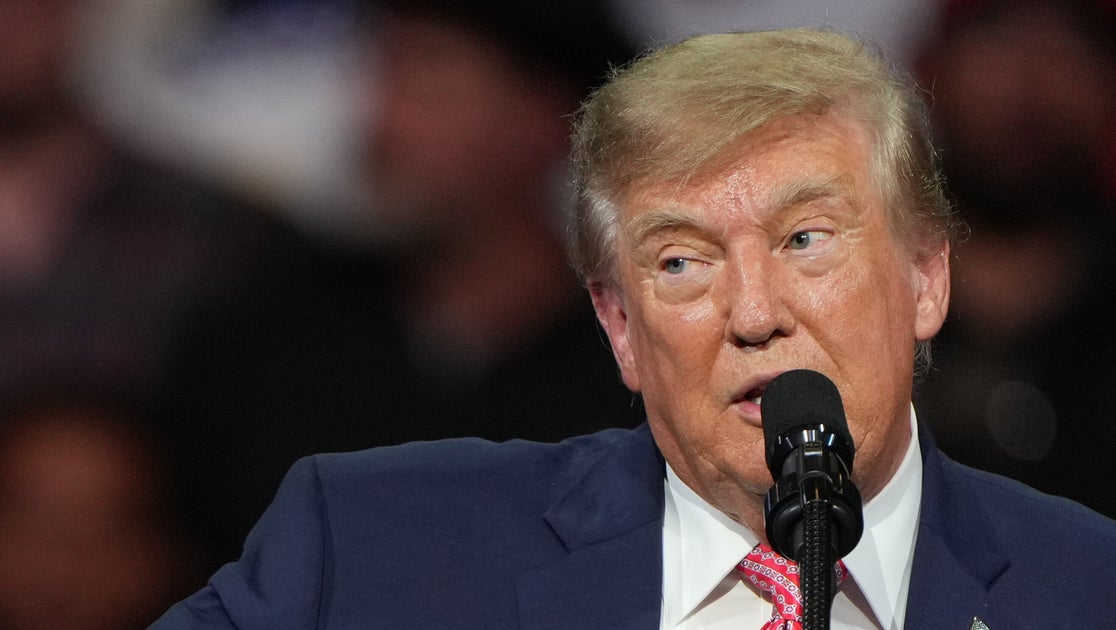
President Trump rallied in deep-red Kansas for GOP Sen. Roger Marshall in a competitive race, announcing an $8 billion farm fuel relief program amid high diesel prices. Democrats see an opening to end 94 years of GOP dominance in the state.

Trump Pauses Russia Sanctions Amid Ukraine Tensions and Missile Strikes
Trump waived sanctions on Russia and floated trilateral talks with Putin and Xi as part of ending the Ukraine war, while tensions rose with Zelenskyy over Starlink and arms. Bipartisan senators engaged Zelenskyy amid the shifts.
The Compass
You just read five takes on one story.
What's your take? Find your political shape in a few minutes.
Take the test