
Iran Rebuilds Drone Output Faster Than US Expected Amid Ceasefire

Cover image from cnbc.com, which was analyzed for this article
US intelligence reports show Iran restarting drone production and military industrial capacity amid ongoing war. Trump has given Tehran a short window for a deal while Pakistan mediates and Tehran reviews US proposals.
PoliticalOS
Thursday, May 21, 2026 — Politics
US intelligence shows Iran recovering military production capacity during the current pause, narrowing Trump’s diplomatic window and raising the prospect of resumed strikes if talks fail. Pakistan-mediated exchanges continue around Iran’s 14-point demands, yet the core intelligence detail remains unverified by independent sources.
What outlets missed
Most outlets omitted any reference to the specific US intelligence timeline showing rebuilding within the six-week April ceasefire window. Few detailed Iran’s 14-point proposal contents beyond naming the document or examined how the February 28 leadership losses altered Revolutionary Guard command structures. Coverage rarely addressed verifiable changes in global oil routing volumes since the strait closure or the precise enforcement mechanisms of Iran’s new Hormuz supervision area.
Iran Reviews US Proposal to Halt Conflict as Pakistan Advances Mediation
Iranian officials confirmed Thursday they are examining the latest American response to a proposal aimed at concluding nearly three months of hostilities involving the United States and Israel. The announcement came as Pakistan intensified its role as intermediary, with army chief Asim Munir scheduled to arrive in Tehran for consultations.
Foreign Ministry spokesperson Esmaeil Baghaei stated that Tehran had received Washington’s views and was now assessing them. Several rounds of communication have occurred through Pakistani channels since Iran presented its 14-point framework earlier this month. Pakistani Interior Minister Mohsin Naqvi made his second visit to Iran in less than a week to facilitate the exchange.
President Donald Trump indicated Wednesday he remains prepared to resume military action if satisfactory answers do not arrive soon. Speaking at Joint Base Andrews, he said the United States is “locked and loaded” and could move within days. At the same time, he signaled willingness to grant a short additional window for talks.
The current pause follows six weeks of fragile ceasefire after Israeli and American strikes that began February 28. Shipping through the Strait of Hormuz has largely halted since the conflict opened, disrupting roughly one-fifth of global oil and liquefied natural gas transit. Iran has established a new supervisory authority for the waterway and now requires prior permission for vessel passage.
Inside Iran, decision-making appears concentrated among a small circle around Supreme Leader Ayatollah Mojtaba Khamenei, who has remained out of public view since sustaining wounds in late February strikes that killed his father. Brigadier General Ahmad Vahidi, recently elevated to command the Revolutionary Guard, has emerged as a central figure in shaping Tehran’s negotiating posture. Vahidi, long involved in regional security policy, met this week with the visiting Pakistani interior minister.
US intelligence assessments, meanwhile, suggest Iran has restarted portions of its drone production during the ceasefire and is restoring elements of its military industrial base more rapidly than initially projected. Tehran maintains that all diplomatic avenues remain open and has rejected any notion that external pressure will compel surrender.
Republican voices, including former Trump envoy Morgan Ortagus and Senator Rick Scott, have cautioned against prolonged talks, arguing that Iran has historically used negotiations to stall and regroup. Ortagus urged the administration not to allow drawn-out discussions to erode leverage. Scott separately predicted military force would ultimately be required against Tehran.
For now, both sides continue to exchange positions through Islamabad. Iranian parliament speaker Mohammad Bagher Ghalibaf accused Washington of seeking to reignite confrontation, while American officials insist any final arrangement must address Iran’s nuclear activities and support for regional allies. The coming days will determine whether the latest proposal narrows differences or collapses into renewed confrontation.
You just read Progressive's take. Want to read what actually happened?
More in Politics
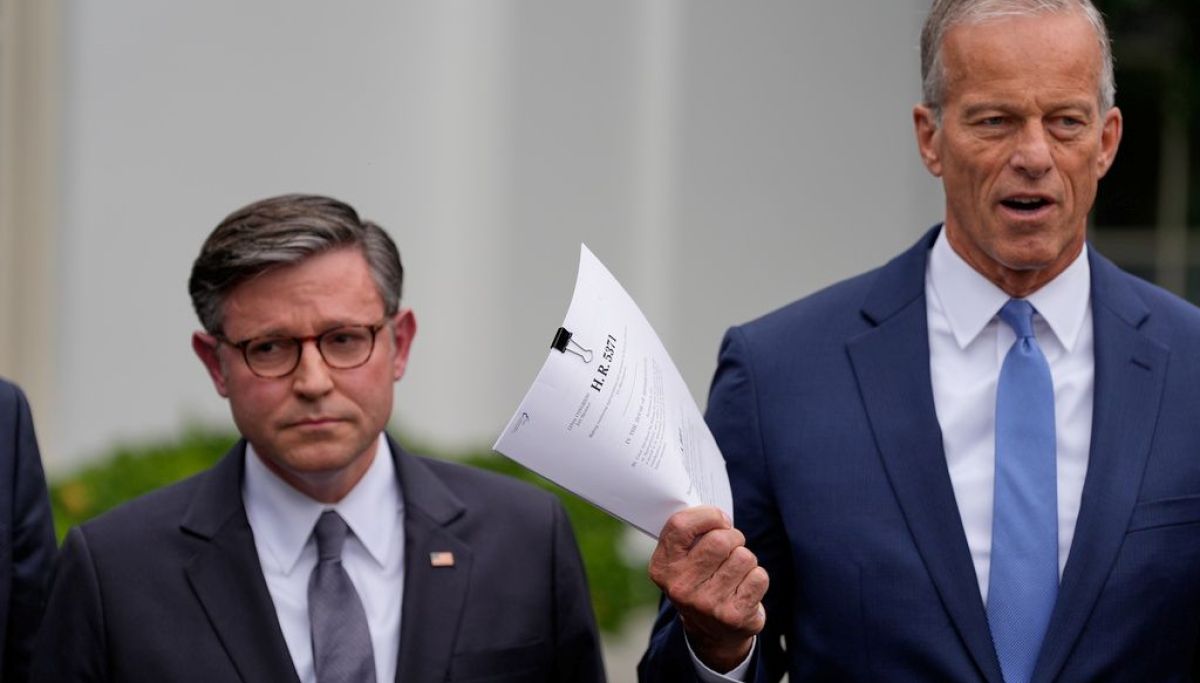
Trump at 32% Approval as Gas Prices Test GOP Midterm Hopes
NYT/Siena polling showed Trump's approval at historic lows around 32 percent with Democrats leading by double digits in key districts. Early voting has surged in battleground states.

Record Early Voting Hits Battlegrounds, Shifting Partisan Shares
AP analysis found hundreds of thousands more early ballots than in 2022 in states including Texas, Ohio, Kansas, Maine, and North Carolina, shifting partisan dynamics.
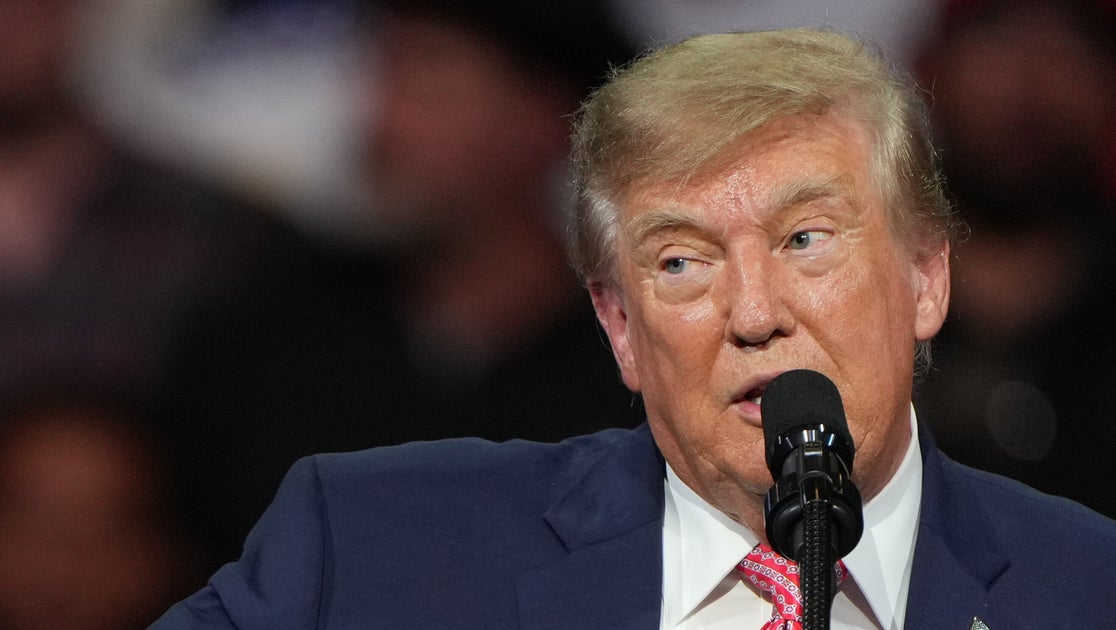
Trump Backs Marshall in Kansas Senate Race Tightened by Farm Costs
President Trump rallied in deep-red Kansas for GOP Sen. Roger Marshall in a competitive race, announcing an $8 billion farm fuel relief program amid high diesel prices. Democrats see an opening to end 94 years of GOP dominance in the state.

Trump Pauses Russia Sanctions Amid Ukraine Tensions and Missile Strikes
Trump waived sanctions on Russia and floated trilateral talks with Putin and Xi as part of ending the Ukraine war, while tensions rose with Zelenskyy over Starlink and arms. Bipartisan senators engaged Zelenskyy amid the shifts.
The Compass
You just read five takes on one story.
What's your take? Find your political shape in a few minutes.
Take the test