
Trump Delays Iran Strike as Tehran Warns of Wider War

Cover image from aljazeera.com, which was analyzed for this article
President Trump postponed strikes on Iran after Gulf nations appealed but repeated warnings of a 'big hit' amid stalled ceasefire talks. Iran threatened to expand conflict beyond the Middle East if attacked.
PoliticalOS
Wednesday, May 20, 2026 — Politics
The immediate risk is not a sudden return to full-scale war but the slow erosion of the April 8 ceasefire as both sides issue escalating rhetoric while core disputes over the Strait of Hormuz and nuclear limits remain unresolved. Higher energy prices are already producing visible domestic pressure in multiple countries.
What outlets missed
Most outlets omitted the precise February 28 start date of the current fighting and the specific Iranian naval and missile actions in the Strait of Hormuz that preceded the effective closure. Few reported the release of U.S. permanent resident Shahab Dalili after ten years in Evin Prison. Coverage also underplayed concurrent Chinese and Russian diplomatic moves and the exact sequence of the reported Israeli strike on Mahmoud Ahmadinejad’s residence that left his current status unknown.
US Plan to Install Ahmadinejad in Iran Collapses as Conflict Drags On
The New York Times reported that American and Israeli officials had devised a scheme to place former Iranian president Mahmoud Ahmadinejad at the head of a new government in Tehran following the death of Ayatollah Ali Khamenei. The plan, described by officials briefed on it as unusually bold, aimed to install a figure who had once called for wiping Israel off the map and had championed Iran's nuclear ambitions during his 2005 to 2013 tenure.
Instead of producing a stable replacement, the effort quickly unraveled. Ahmadinejad's present location and status remain unknown, according to the Times account. President Trump had suggested that an internal Iranian figure might best succeed the late supreme leader, yet the choice of Ahmadinejad stood out for its contradictions. The former president had clashed with regime hardliners in recent years and lived under surveillance, yet his record included forceful suppression of dissent and consistent hostility toward the United States.
The revelation arrives as the United States and Iran continue negotiations mediated by Pakistan to convert an April cease-fire into a lasting agreement. Vice President JD Vance stated that talks have produced measurable progress while warning that American forces remain prepared for renewed action. Iranian Revolutionary Guard commanders responded with threats to expand any resumed fighting beyond the Middle East, claiming they have not yet employed the full capabilities of the Islamic revolution.
These exchanges occur against a backdrop of direct costs to American households. An AP-NORC poll released this week shows Republican approval of Trump's economic management has fallen from roughly 80 percent in February to 60 percent. Voters cited rising gasoline prices tied to disruptions in the Strait of Hormuz, where Chinese supertankers loaded with Iraqi and Qatari crude only recently began to exit after a two-month wait. One Wisconsin Republican described how higher fuel costs forced him to subsidize his teenage children's driving expenses, an adjustment he attributed in part to the conflict's effects on supply routes.
The episode illustrates a recurring pattern in attempts at external regime engineering. Past efforts to select and sustain favored leaders in distant capitals have frequently produced results at odds with initial expectations, whether measured in prolonged military commitments or in secondary economic pressures felt far from the battlefield. Higher energy prices have already contributed to broader inflation concerns, and further instability risks additional strain on global shipping and refining capacity.
Diplomacy continues amid these pressures. Trump told lawmakers the war could conclude rapidly under the right terms, while Iranian officials signaled willingness to explore arrangements provided new attacks are avoided. Yet the underlying calculation remains unchanged: any settlement must contend with Iran's retained military infrastructure and its demonstrated capacity to threaten wider disruption.
Observers note that Ahmadinejad himself offered qualified praise for Trump in a 2019 interview, describing him as a decisive businessman capable of weighing costs and benefits. That earlier remark now sits awkwardly beside the collapse of the reported leadership plan and the continued risk of renewed hostilities. The episode leaves American policymakers facing familiar questions about the limits of shaping political outcomes in societies where local power structures and external interests rarely align for long.
You just read Conservative's take. Want to read what actually happened?
More in Politics
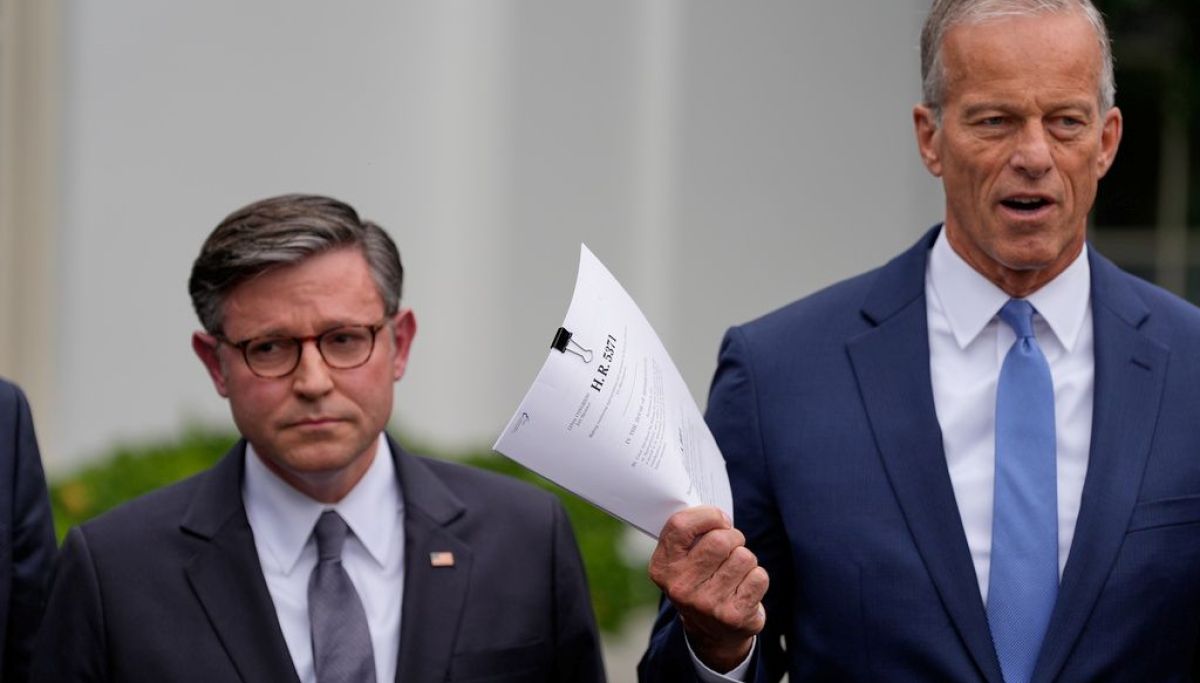
Trump at 32% Approval as Gas Prices Test GOP Midterm Hopes
NYT/Siena polling showed Trump's approval at historic lows around 32 percent with Democrats leading by double digits in key districts. Early voting has surged in battleground states.

Record Early Voting Hits Battlegrounds, Shifting Partisan Shares
AP analysis found hundreds of thousands more early ballots than in 2022 in states including Texas, Ohio, Kansas, Maine, and North Carolina, shifting partisan dynamics.
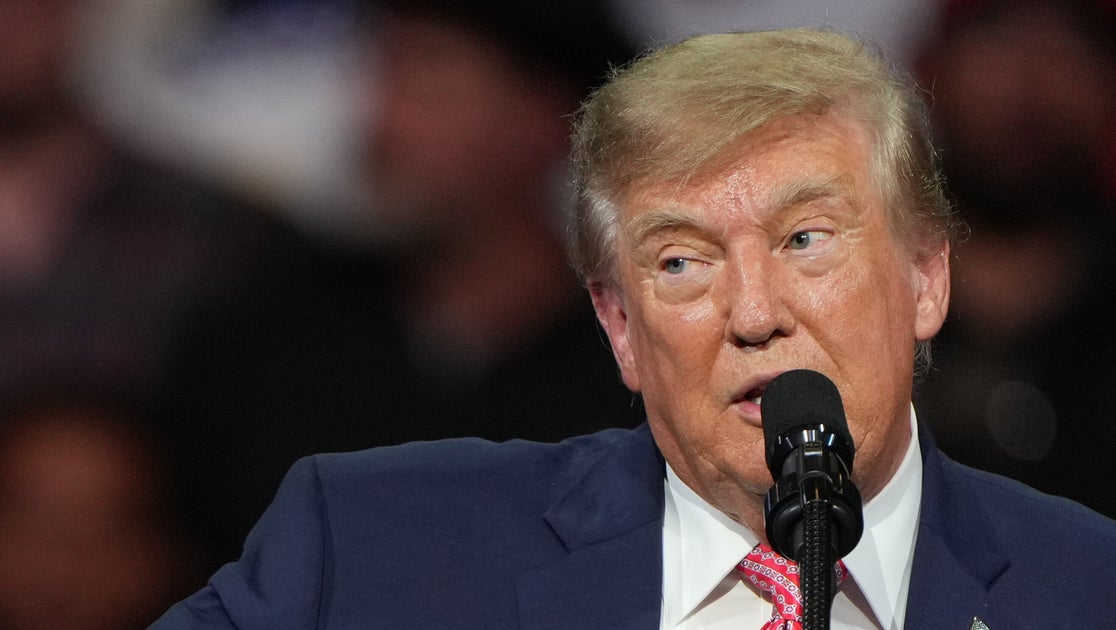
Trump Backs Marshall in Kansas Senate Race Tightened by Farm Costs
President Trump rallied in deep-red Kansas for GOP Sen. Roger Marshall in a competitive race, announcing an $8 billion farm fuel relief program amid high diesel prices. Democrats see an opening to end 94 years of GOP dominance in the state.

Trump Pauses Russia Sanctions Amid Ukraine Tensions and Missile Strikes
Trump waived sanctions on Russia and floated trilateral talks with Putin and Xi as part of ending the Ukraine war, while tensions rose with Zelenskyy over Starlink and arms. Bipartisan senators engaged Zelenskyy amid the shifts.
The Compass
You just read five takes on one story.
What's your take? Find your political shape in a few minutes.
Take the test