
Trump Delays Iran Strike as Tehran Warns of Wider War

Cover image from aljazeera.com, which was analyzed for this article
President Trump postponed strikes on Iran after Gulf nations appealed but repeated warnings of a 'big hit' amid stalled ceasefire talks. Iran threatened to expand conflict beyond the Middle East if attacked.
PoliticalOS
Wednesday, May 20, 2026 — Politics
The immediate risk is not a sudden return to full-scale war but the slow erosion of the April 8 ceasefire as both sides issue escalating rhetoric while core disputes over the Strait of Hormuz and nuclear limits remain unresolved. Higher energy prices are already producing visible domestic pressure in multiple countries.
What outlets missed
Most outlets omitted the precise February 28 start date of the current fighting and the specific Iranian naval and missile actions in the Strait of Hormuz that preceded the effective closure. Few reported the release of U.S. permanent resident Shahab Dalili after ten years in Evin Prison. Coverage also underplayed concurrent Chinese and Russian diplomatic moves and the exact sequence of the reported Israeli strike on Mahmoud Ahmadinejad’s residence that left his current status unknown.
US and Israel’s Botched Scheme to Install Ahmadinejad in Tehran Exposed as War Threats Resurface
The New York Times reported this week that the United States and Israel entered their war against Iran with an explicit aim to replace the country’s leadership with former hardline president Mahmoud Ahmadinejad, a plan that quickly collapsed into uncertainty. US officials briefed on the effort described it as audacious, noting that Ahmadinejad’s current whereabouts remain unknown after the killing of Ayatollah Ali Khamenei. The choice itself drew internal skepticism, given Ahmadinejad’s history of calling for Israel to be wiped off the map and his firm support for Iran’s nuclear program during his 2005 to 2013 presidency.
President Donald Trump later mused publicly that a successor should come from within Iran, yet the selection of a figure long aligned with the very policies Washington claims to oppose underscored the contradictions at the heart of the intervention. Even as the Times noted Ahmadinejad’s past praise for Trump as a decisive businessman, the episode has left diplomats and regional analysts questioning the coherence of any post-conflict vision.
The revelation arrives as the conflict, now in its 82nd day, hovers near renewed violence despite a ceasefire reached on April 8. Trump told reporters he came within an hour of ordering fresh strikes and warned Iran had two to three days to finalize a deal or face a “big hit.” Vice President JD Vance struck a more measured tone, insisting talks mediated by Pakistan have produced good progress and that the military remains prepared to resume operations if needed. Iranian officials have responded with their own warnings, with the Revolutionary Guards stating that any repeat of aggression would extend the conflict far beyond the Middle East and deliver crushing blows in places Washington cannot imagine.
The economic fallout continues to reverberate globally. Oil prices have eased slightly after two Chinese supertankers carrying roughly four million barrels exited the Strait of Hormuz following a two-month wait, yet analysts caution that costs will stay elevated. In the United States, an AP-NORC poll shows Republican approval for Trump’s economic handling has dropped from roughly 80 percent in February to about 60 percent, with voters citing higher gasoline prices tied directly to the disruption in the Gulf.
Iran’s army has meanwhile signaled it has drawn lessons from earlier phases of the fighting and stands ready to open new fronts with updated tactics and equipment should hostilities resume. A US permanent resident held in Tehran’s Evin Prison for a decade was released in recent days, offering a rare humanitarian note amid the broader standoff. G7 finance ministers have pledged tighter coordination to manage the economic risks, though underlying tensions between Washington and some allies remain visible.
The episode has exposed the limits of regime-change calculations that rely on installing controversial figures from within the target country. With both sides exchanging threats while simultaneously claiming diplomatic headway, the risk of miscalculation appears undiminished.
You just read Progressive's take. Want to read what actually happened?
More in Politics

Trump Defends Ramaswamy Ad Using Estranged Mother in Ohio Race
President Trump defended a GOP nominee's ad featuring a Democratic opponent's estranged mother, calling it powerful, while drawing criticism from some Republicans including Ohio Gov. Mike DeWine. The ad has sparked internal GOP tensions ahead of midterms.
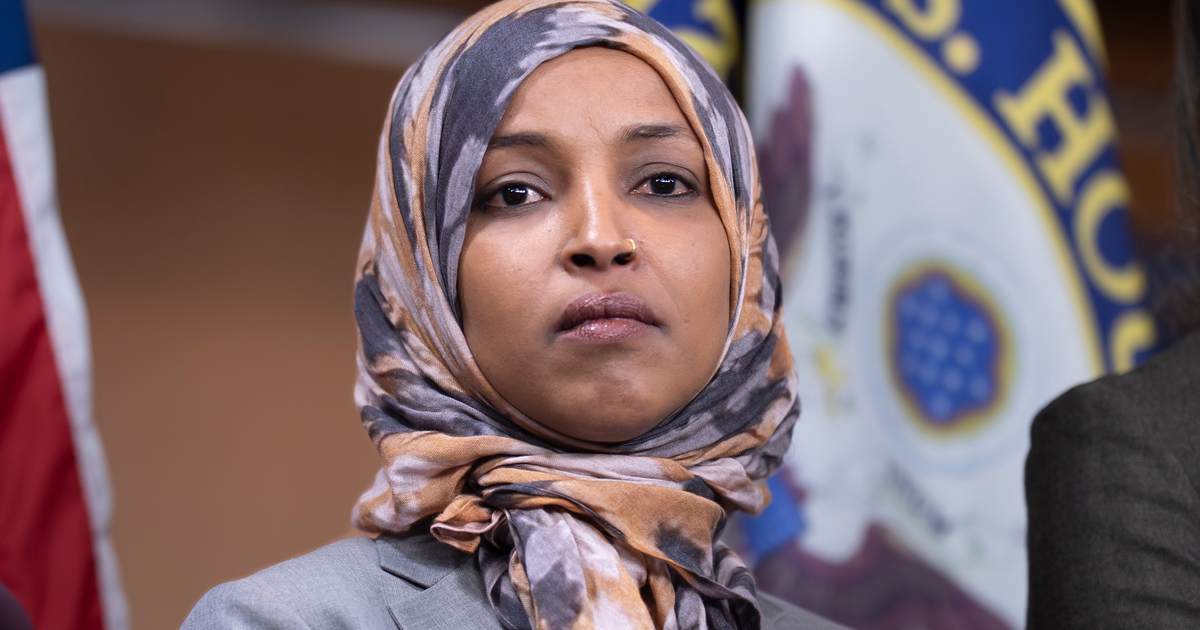
Federal Raid Targets Omar Amid Unresolved Name and Marriage Allegations
Agents searched Rep. Ilhan Omar's DC residence over immigration fraud allegations; she called it bizarre. Reports and commentary questioned her birth name and past marriage details.

Supreme Court Upholds New Hampshire Student ID Voting Ban
The Supreme Court upheld New Hampshire's ban on student IDs as valid voter identification just before midterms, affecting a tight Senate race.
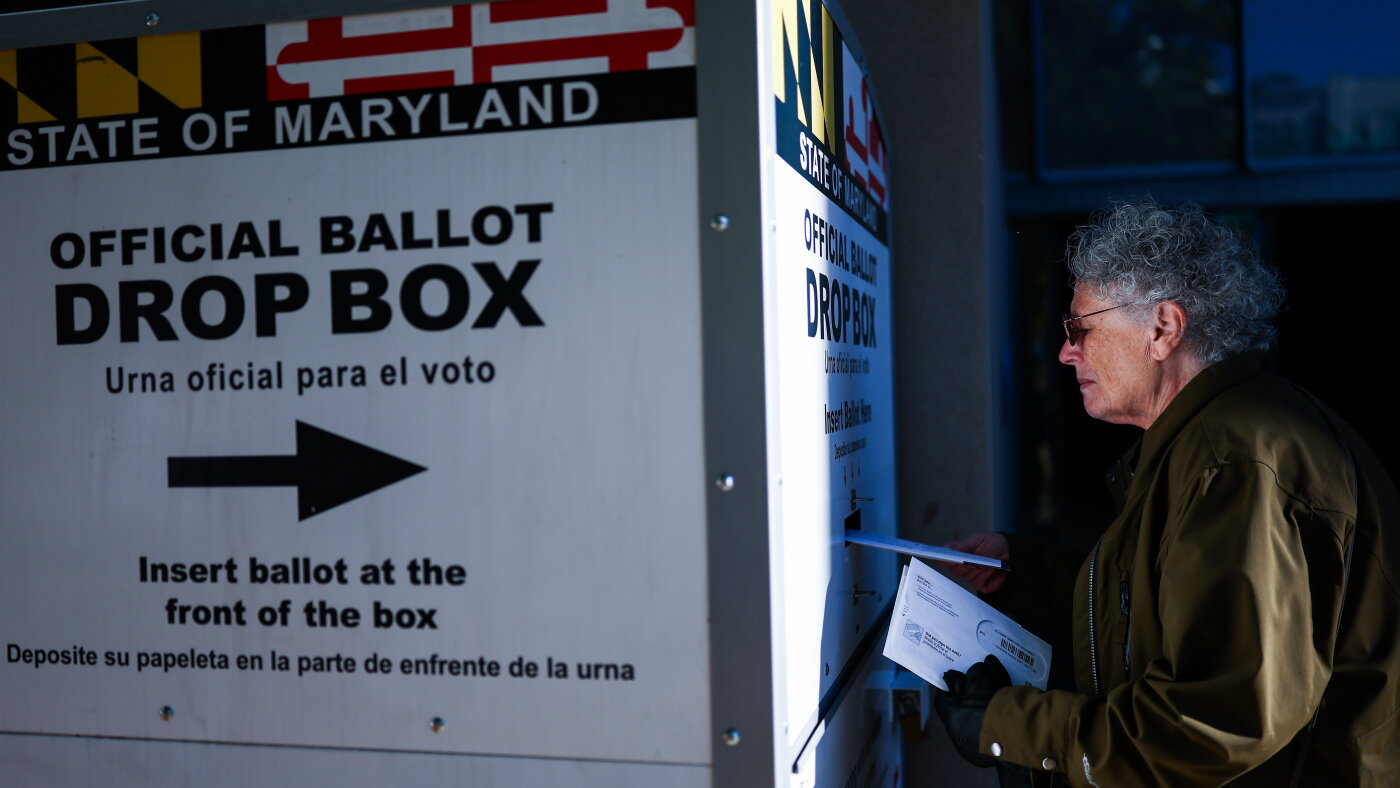
Early Voting Hits 21 Million as Most Trust Midterm Accuracy
Millions have already voted early as parties make final appeals amid $1.4 billion in ad spending; polls show confidence in election accuracy.
The Compass
You just read five takes on one story.
What's your take? Find your political shape in a few minutes.
Take the test