
Diplomacy Stalls on Day 59 of Iran Conflict as FM Seeks Putin Support

Cover image from theamericanconservative.com, which was analyzed for this article
Iran offers to reopen Strait of Hormuz for sanctions relief but talks stall; FM visits Putin for support on day 59 of conflict. Questions arise over media coverage of Israel's role and potential off-ramps like Lebanon. Oil prices climb on uncertainty.
PoliticalOS
Monday, April 27, 2026 — Politics
On day 59, stalled talks over Iran's nuclear program, sanctions relief and Strait of Hormuz access, compounded by violence in Lebanon, continue driving oil prices higher and prolonging economic uncertainty for the world. Media narratives differ sharply on Israel's role in the initial decision to strike and on whether concessions regarding Hezbollah could create a viable off-ramp, but many key details, from exact escalation sequences to specific polling, remain unverified across sources. The single most important reality is that mutual distrust and entangled proxy conflicts have so far blocked any comprehensive deal, leaving diplomacy dependent on whether external actors like Russia or internal priorities in Tehran and Washington can shift the current deadlock.
What outlets missed
Most accounts underplayed the full escalation timeline, including Iranian proxy attacks on US bases and missile barrages on Israel in 2024 that preceded the February 28 strikes. The US naval blockade of Iranian ports on April 13, which multiple wire services reported came before Iran's strait closure, was omitted or minimized in several explainers, leaving agency in the maritime crisis unclear. Coverage rarely noted disputes over Lebanon casualty figures, where Israeli statements claimed many of those killed were Hezbollah fighters rather than purely civilians. The potential leverage of trading reduced pressure on Hezbollah for nuclear concessions, explored in detail by The American Conservative, received little attention in mainstream reporting despite its appearance in Islamabad talks. Finally, specific claims such as an unverified Rachel Maddow episode or a McLaughlin poll on Trump's communications effectiveness were presented without noting they could not be independently corroborated by other sources.
Trump Delays Vance as Iran War Diplomacy Centers on Lebanon and Nuclear Issues
Vice President JD Vance spent several hours Tuesday waiting on the tarmac as President Trump extended a deadline for Iran to submit proposals to end the two-month-old conflict. The episode captures an administration trying to wind down a war it began in late February while managing competing demands from Israel, regional allies, and domestic political realities.
The war started after Israeli Prime Minister Benjamin Netanyahu made an unusually direct presentation to Trump in the White House Situation Room. Flanked on a large screen by Mossad leadership and Israeli military officers, Netanyahu pressed for rapid American action against Iranian nuclear sites and its network of proxy forces. A New York Times account of the meeting, published earlier this month, described the scene as designed to project a unified wartime command. That reporting stands out because much of the subsequent American coverage has given limited attention to Israel's role in the decision, focusing instead on broader regional rivalries.
Iranian Foreign Minister Abbas Araghchi has responded with a burst of shuttle diplomacy. On Sunday he met counterparts in Pakistan and Oman before traveling to Russia for talks with President Vladimir Putin. The agenda includes bilateral ties but centers on ending the fighting. Iranian officials have told mediators that any agreement must address three core concerns: limits on their nuclear program, guaranteed safe passage through the Strait of Hormuz, and a durable ceasefire between Israel and Hezbollah in Lebanon.
Lebanon has become the unexpected centerpiece. When fighting began, Hezbollah launched missiles at Israel in coordination with Tehran. After an initial American-brokered pause, Israeli strikes resumed in what Iranian sources called a violation that prompted Tehran to tighten its hold on the Strait of Hormuz. That move disrupted oil flows and reminded markets how proxy relationships can widen a limited strike into a broader economic threat. Recent statements from senior Iranian leaders suggest Hezbollah is no longer viewed simply as an ideological ally but as a strategic depth necessary for Iran's own security. One Western analyst described the shift as a "pivot" in which protecting the Lebanese front has become intertwined with Iran's survival calculations.
Trump has maintained a consistent public line. In remarks Sunday he said Iran could "telephone" whenever it is ready to talk. A McLaughlin & Associates poll conducted between April 8 and 15 found that Americans who watched the president's April 1 prime-time address from the Oval Office approved of the military campaign by a 67-to-29 margin. Among those who only read or heard secondhand accounts, approval stood at 47 percent with disapproval nearly even. The 20-point gap underscores how direct communication shapes wartime opinion, a pattern that has held across several recent Trump addresses.
Vance's discomfort with the assignment has been an open secret. Multiple accounts describe him and his staff leaking reservations about ownership of a conflict that began with limited public debate. The vice president's aborted trip to Islamabad was meant to lead negotiations but instead became a visible symbol of internal friction. Trump appeared to overrule or at least delay Vance's mission while extending the Iranian deadline, a move that keeps pressure on Tehran without committing the United States to fresh military escalation.
The human costs of the wider regional breakdown are also mounting. In Sudan, entirely separate fighting between the army and Rapid Support Forces has destroyed medical infrastructure in Darfur and allowed a measles outbreak to kill dozens of children in areas where vaccines have been unavailable for months. While unrelated to Iran policy, the episode illustrates how prolonged instability anywhere in the greater region can erase basic public health gains and create secondary humanitarian crises that outlast any single military campaign.
For now the diplomatic track remains narrow. Iran insists a Lebanon-Israel ceasefire must precede any nuclear concessions. Israel, according to officials cited in regional reporting, resists linking the two files and prefers to keep Hezbollah under pressure. The Trump administration finds itself mediating between these positions while trying to claim credit for eliminating Iran's near-term nuclear breakout capacity.
Whether that claim holds will depend on verification protocols still under discussion. Past attempts to constrain Iran's program through agreement collapsed under accusations of cheating. This time the administration has bet that a short, sharp war combined with credible diplomacy can produce better results. The coming week will test whether Iran's interest in resuming oil exports and relieving economic pressure outweighs its commitment to Hezbollah and its residual nuclear infrastructure.
The conflict has already shown the limits of rapid decisive strikes when adversaries maintain deep proxy networks. It has also highlighted how media choices shape public understanding. Coverage that downplays Netanyahu's direct influence in the Situation Room risks leaving Americans with an incomplete picture of how the war began. At the same time, emphasis on that influence should not obscure Iran's own choices: its nuclear work, its missile programs, and its deliberate cultivation of groups dedicated to attacking both Israel and American interests.
As Araghchi continues his travels and Trump keeps the rhetorical door open, the central question remains whether all parties can accept a compromise that addresses legitimate security fears without planting seeds for the next round of fighting. History suggests such balances are difficult. The current negotiations will determine whether this war ends as a limited operation or becomes another open-ended chapter in the region's long struggle.
You just read Conservative's take. Want to read what actually happened?
More in Politics
Trump at 32% Approval as Gas Prices Test GOP Midterm Hopes
NYT/Siena polling showed Trump's approval at historic lows around 32 percent with Democrats leading by double digits in key districts. Early voting has surged in battleground states.

Record Early Voting Hits Battlegrounds, Shifting Partisan Shares
AP analysis found hundreds of thousands more early ballots than in 2022 in states including Texas, Ohio, Kansas, Maine, and North Carolina, shifting partisan dynamics.
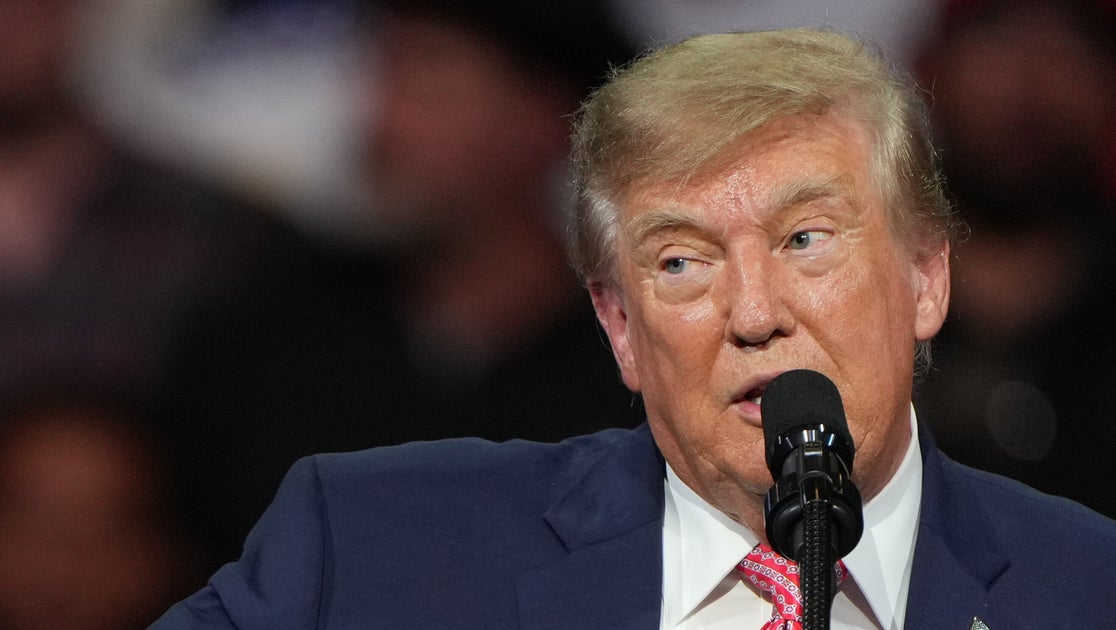
Trump Backs Marshall in Kansas Senate Race Tightened by Farm Costs
President Trump rallied in deep-red Kansas for GOP Sen. Roger Marshall in a competitive race, announcing an $8 billion farm fuel relief program amid high diesel prices. Democrats see an opening to end 94 years of GOP dominance in the state.

Trump Pauses Russia Sanctions Amid Ukraine Tensions and Missile Strikes
Trump waived sanctions on Russia and floated trilateral talks with Putin and Xi as part of ending the Ukraine war, while tensions rose with Zelenskyy over Starlink and arms. Bipartisan senators engaged Zelenskyy amid the shifts.
The Compass
You just read five takes on one story.
What's your take? Find your political shape in a few minutes.
Take the test