
Diplomacy Stalls on Day 59 of Iran Conflict as FM Seeks Putin Support

Cover image from theamericanconservative.com, which was analyzed for this article
Iran offers to reopen Strait of Hormuz for sanctions relief but talks stall; FM visits Putin for support on day 59 of conflict. Questions arise over media coverage of Israel's role and potential off-ramps like Lebanon. Oil prices climb on uncertainty.
PoliticalOS
Monday, April 27, 2026 — Politics
On day 59, stalled talks over Iran's nuclear program, sanctions relief and Strait of Hormuz access, compounded by violence in Lebanon, continue driving oil prices higher and prolonging economic uncertainty for the world. Media narratives differ sharply on Israel's role in the initial decision to strike and on whether concessions regarding Hezbollah could create a viable off-ramp, but many key details, from exact escalation sequences to specific polling, remain unverified across sources. The single most important reality is that mutual distrust and entangled proxy conflicts have so far blocked any comprehensive deal, leaving diplomacy dependent on whether external actors like Russia or internal priorities in Tehran and Washington can shift the current deadlock.
What outlets missed
Most accounts underplayed the full escalation timeline, including Iranian proxy attacks on US bases and missile barrages on Israel in 2024 that preceded the February 28 strikes. The US naval blockade of Iranian ports on April 13, which multiple wire services reported came before Iran's strait closure, was omitted or minimized in several explainers, leaving agency in the maritime crisis unclear. Coverage rarely noted disputes over Lebanon casualty figures, where Israeli statements claimed many of those killed were Hezbollah fighters rather than purely civilians. The potential leverage of trading reduced pressure on Hezbollah for nuclear concessions, explored in detail by The American Conservative, received little attention in mainstream reporting despite its appearance in Islamabad talks. Finally, specific claims such as an unverified Rachel Maddow episode or a McLaughlin poll on Trump's communications effectiveness were presented without noting they could not be independently corroborated by other sources.
JD Vance Entangled in Impulsive War as Netanyahu Influence Comes Under Scrutiny
Vice President JD Vance was left waiting on the tarmac Tuesday as his plane sat ready for Islamabad, where he was supposed to lead negotiations to end the war with Iran. The delay came directly from President Donald Trump, who instead extended a deadline for Tehran to submit proposals to halt a conflict now entering its third month. The episode underscored the deepening discomfort within the administration over a war that Trump launched in late February alongside Israeli Prime Minister Benjamin Netanyahu.
Anonymous leaks from Vance’s circle, reported by multiple outlets, make clear the vice president never wanted this assignment. Yet he cannot escape it. The Iran war, initiated with Israeli partnership, has already claimed civilian lives, disrupted global energy flows through Iran’s actions in the Strait of Hormuz, and drawn in Hezbollah fighters after Israel violated an emerging ceasefire understanding. On day 59 of the conflict, diplomatic channels remain strained even as Iranian Foreign Minister Abbas Araghchi shuttled between Pakistan, Oman and Russia seeking regional support to contain the damage.
A New York Times investigation published earlier this month offered rare detail on how the war began. Netanyahu addressed Trump in the White House Situation Room, an extraordinary setting for a foreign leader. Behind him on screen stood Mossad and Israeli military officials, projecting the image of a wartime command center. The prime minister’s “hard sell” for rapid military action proved decisive, according to the reporting. This account stands in contrast to much of the coverage that has followed, which often downplays or ignores Israel’s central role in shaping the American decision to strike.
That omission has not gone unnoticed. Progressive commentators and foreign policy analysts have contrasted the media’s caution here with its willingness to explore foreign influence when the actor is Russia or Gulf states. Rachel Maddow, for instance, devoted airtime to the financial motivations of Arab rivals but gave less emphasis to Netanyahu’s direct lobbying in Washington. Such framing risks missing how closely aligned the initial bombing campaign was with long-standing Israeli strategic goals regarding Iran’s nuclear program and regional proxies.
Tehran has repeatedly signaled that any lasting deal must address the Lebanon file. Iran views its support for Hezbollah not as optional but as essential to its own security, a posture that hardened after Israeli forces resumed major strikes in Lebanon. What became known as Black Wednesday saw intense Israeli bombing that killed hundreds of civilians, prompting Iran to reassert control over the Strait of Hormuz and effectively blockade key shipping lanes. Trump responded by announcing a separate ten-day ceasefire between Israel and Lebanon, but the episode revealed the administration’s difficulty in managing its own partners. Israel later appeared to renege on earlier understandings about a Lebanese-Israeli truce, according to officials familiar with the Islamabad talks.
Sticking points remain unchanged. Iran refuses to abandon its nuclear infrastructure entirely, while the United States and Israel demand verifiable dismantlement. Access to the Strait of Hormuz, vital for global oil transit, has become another flashpoint after Iranian actions in response to Israeli escalation. Araghchi’s meetings in Muscat and Saint Petersburg this week focused on these issues, with Oman serving as a potential mediator and Russia offering diplomatic backing. Iranian officials have emphasized that expert-level talks on safe passage through the waterway will continue with their Omani counterparts.
The war’s human and strategic costs continue to mount. While exact casualty figures remain contested in the fog of conflict, the disruption to regional stability is undeniable. In Sudan, a separate but contemporaneous war has produced a deadly measles outbreak in Darfur, killing dozens of children in areas where medical services collapsed under fighting and international neglect. The parallel epidemics of violence and disease illustrate how prolonged conflicts drain resources and attention from humanitarian emergencies elsewhere. Health workers in East Darfur report that vaccines arrived only recently through UNICEF channels after weeks of delay, leaving thousands of displaced families vulnerable.
At home, the Trump administration has leaned heavily on presidential communications to shape public perception. A recent poll by McLaughlin & Associates suggested that viewers who watched Trump’s prime-time address on the war registered higher approval for military action than those who received information through other outlets. The gap was roughly twenty points. Yet these figures also reveal deep polarization. Large segments of the public, particularly those skeptical of endless Middle East engagements, continue to question the war’s necessity and its alignment with American interests rather than those of a foreign partner.
Vance’s predicament reflects broader confusion inside the administration. The vice president rose to prominence partly on skepticism of forever wars and regime-change adventures. Now he finds himself dispatched to negotiate an exit from a conflict critics describe as impulsive from the start. Leaks suggest his team views the mission as damage control rather than a preferred policy. Trump’s habit of public deadlines and last-minute changes has complicated those efforts, leaving negotiators unsure whether their red lines will hold from one day to the next.
Iranian officials have indicated they remain open to direct talks but insist any agreement must respect their core security concerns, including protection of allies in Lebanon. Hezbollah’s early entry into the fighting in March, launching missiles at Israel in coordination with Tehran, demonstrated the depth of that alliance. Dismantling it through American pressure alone appears increasingly unrealistic.
As the clock ticks on yet another extended deadline, the central question persists: how does the United States extricate itself from a war its own president chose in coordination with a foreign leader who dominated the most sensitive room in the White House? Vance’s visible reluctance, the media’s selective focus, and the stubborn centrality of the Lebanon issue all point to an uncomfortable truth. This conflict was never solely about American security or even Iran’s nuclear program. It was shaped from the outset by Netanyahu’s strategic vision, a reality that much of the domestic coverage has been slow to confront directly.
Diplomatic activity in coming days, particularly Araghchi’s discussions in Moscow, may clarify whether a face-saving off-ramp exists. For now, the vice president remains on standby, the war grinds forward, and the administration’s internal fractures grow harder to conceal. The longer Trump’s Iran war continues, the clearer it becomes that its origins, its conduct, and its potential resolution are inextricably tied to decisions made in Jerusalem as much as in Washington.
You just read Progressive's take. Want to read what actually happened?
More in Politics
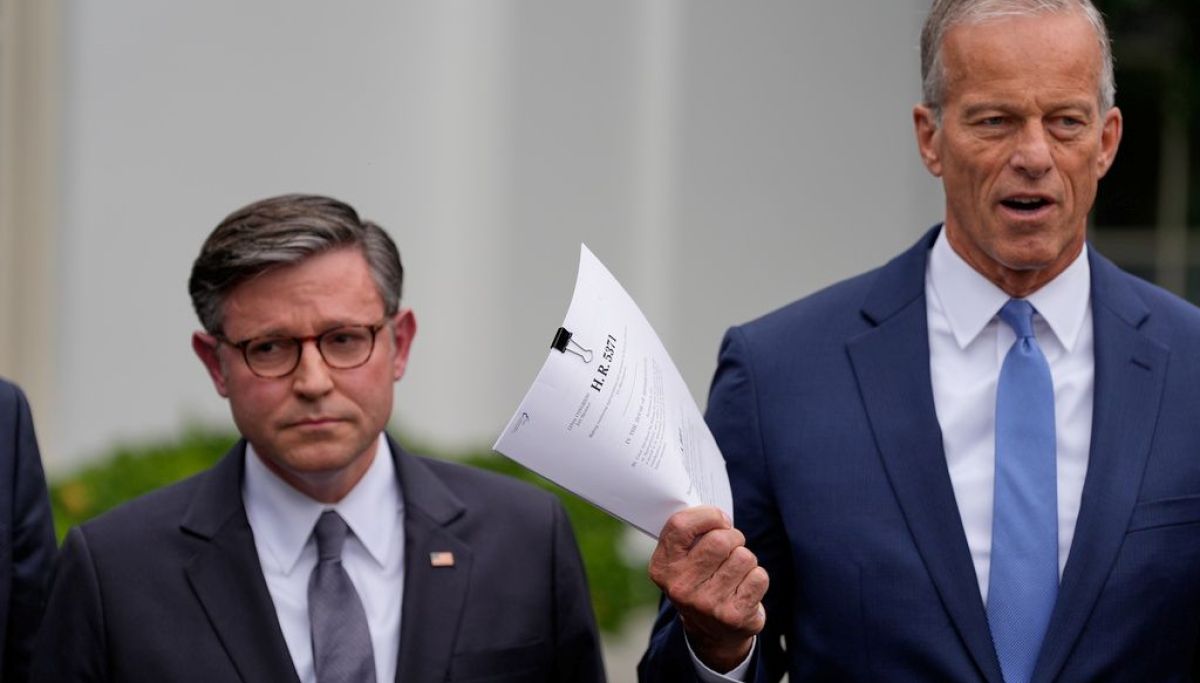
Trump at 32% Approval as Gas Prices Test GOP Midterm Hopes
NYT/Siena polling showed Trump's approval at historic lows around 32 percent with Democrats leading by double digits in key districts. Early voting has surged in battleground states.

Record Early Voting Hits Battlegrounds, Shifting Partisan Shares
AP analysis found hundreds of thousands more early ballots than in 2022 in states including Texas, Ohio, Kansas, Maine, and North Carolina, shifting partisan dynamics.
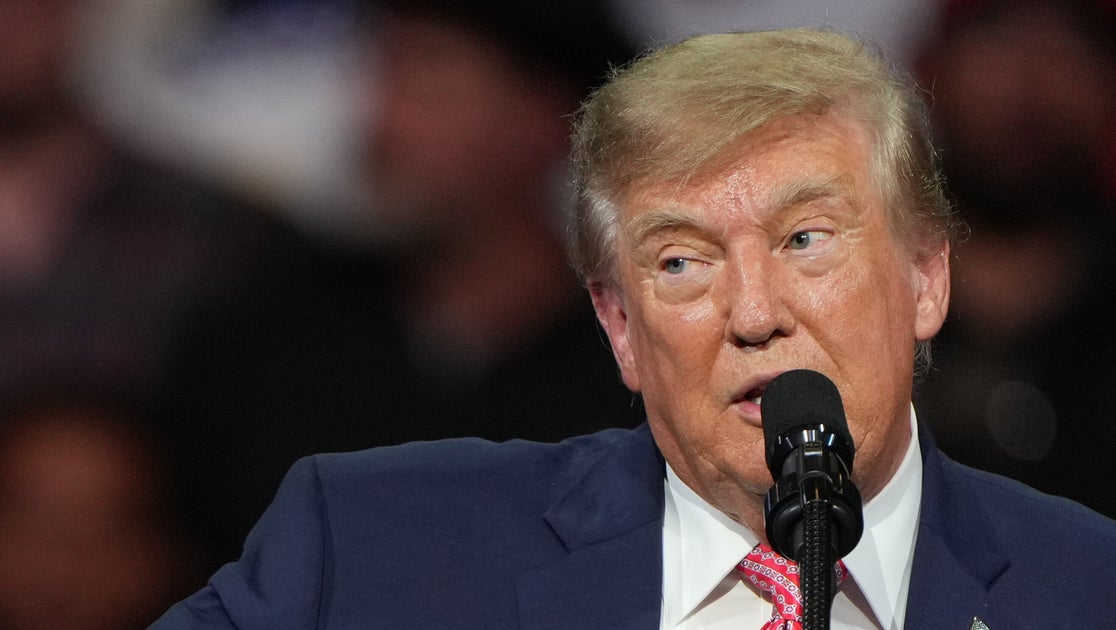
Trump Backs Marshall in Kansas Senate Race Tightened by Farm Costs
President Trump rallied in deep-red Kansas for GOP Sen. Roger Marshall in a competitive race, announcing an $8 billion farm fuel relief program amid high diesel prices. Democrats see an opening to end 94 years of GOP dominance in the state.

Trump Pauses Russia Sanctions Amid Ukraine Tensions and Missile Strikes
Trump waived sanctions on Russia and floated trilateral talks with Putin and Xi as part of ending the Ukraine war, while tensions rose with Zelenskyy over Starlink and arms. Bipartisan senators engaged Zelenskyy amid the shifts.
The Compass
You just read five takes on one story.
What's your take? Find your political shape in a few minutes.
Take the test