
Trump Extends Israel-Lebanon Ceasefire as Hormuz Blockade Enters Week 8 of Iran War
Cover image from independent.co.uk, which was analyzed for this article
President Trump extends the Israel-Lebanon ceasefire amid day 56 of the Iran war, with Hegseth and Caine briefing on 'epic fury' in the Strait of Hormuz including shoot-and-kill orders and minimal shipping. Israeli strikes continue despite truce, as Iran delegation heads to Pakistan for talks. Global allies strain under US pressure.
PoliticalOS
Friday, April 24, 2026 — Politics
The Iran conflict sits in an uneasy pause where the U.S. Hormuz blockade exerts real pressure yet Iran has adapted through higher oil prices, floating storage and willingness to endure longer than Washington may prefer. Diplomatic channels in Pakistan remain active but fragile, while the separate Israel-Lebanon ceasefire is repeatedly tested by strikes and retaliatory fire. The single most important reality is that economic pain is mutual, shipping data is opaque, and any miscalculation risks rapid escalation; readers should track primary military releases and trade-intelligence numbers rather than any single outlet's framing.
What outlets missed
Most coverage underplayed documented U.S. casualties, including six soldiers killed by an Iranian drone on March 1 and the loss of a KC-135 tanker with four crew on March 12, per CENTCOM. Outlets also gave short shrift to Iran's actual oil export revenues rising about 40 percent in March-April due to prices above $90-100 per barrel despite the blockade, with 160-170 million barrels already afloat providing cash flow potentially into August. Iranian mine-laying that tripled before U.S. minesweeping, attacks on energy infrastructure across six Gulf states, and the precise timeline of mutual escalations (Iran closing the strait March 2, U.S. blockade April 13) received uneven attention. Finally, the fragility of the Israel-Lebanon truce was often buried; Israeli strikes killed a journalist and others the day before the extension announcement, while Hezbollah conducted four operations in response.
Trump Applies Economic Leverage as Iran Seeks Path to Talks Amid Hormuz Blockade
WASHINGTON — Senior Iranian officials are traveling to Pakistan this weekend as the Trump administration maintains a naval blockade of the Strait of Hormuz, using sustained economic pressure to force the regime in Tehran toward a potential ceasefire agreement. The move reflects a calculated strategy that prioritizes tangible results over optimistic timelines, even as the conflict stretches into its eighth week and ordinary Americans face higher fuel costs.
Iranian Foreign Minister Abbas Araghchi will lead a delegation arriving in Islamabad on Friday or Saturday, Iranian and Pakistani sources confirmed. The visit follows a phone call between senior leaders of both nations to discuss the fragile ceasefire. It remains unclear whether the trip will produce immediate negotiations with the United States, but it signals that Tehran is feeling the strain of lost oil revenue and is exploring diplomatic off-ramps through intermediaries.
President Trump has made clear that the blockade will not lift without concrete concessions. In a Truth Social post this week, he stated that Iran is “collapsing financially,” losing roughly $500 million per day, with reports of unpaid military and police personnel. The administration began enforcing the blockade on April 13, seizing tankers, redirecting cargo ships, and using live fire against Iranian vessels when necessary. Trump publicly confirmed he issued orders for U.S. forces to “shoot and kill” Iranian small boats operating in the strait, a directive that underscores the seriousness with which Washington views threats to global energy flows.
Defense Secretary Pete Hegseth and Joint Chiefs of Staff Chairman Gen. Dan Caine briefed reporters Thursday on the status of Operation Epic Fury, the intensive air campaign that began February 28. The operation featured roughly 1,000 sorties daily in its early phase, severely degrading Iranian military capacity before the temporary ceasefire took hold. Trump extended that pause earlier this week while keeping the blockade in place. A U.S. official told The Daily Wire that back-channel discussions with Iran continue despite setbacks.
The human and economic realities of prolonged conflict are evident. Oil prices have climbed above $106 per barrel, contributing to higher gasoline prices at home. When a reporter asked Trump what he would tell Americans concerned about the duration, the president pushed back sharply, noting that initial expectations of four to six weeks had given way to a more realistic view once major military objectives were met. “I took the country out militarily in the first four weeks,” he said, adding that the United States now holds leverage while watching for a viable deal. He referenced the Vietnam War’s length to illustrate that complex conflicts rarely adhere to neat schedules.
Iran’s leadership structure remains opaque following the death of Supreme Leader Ali Khamenei in the opening days of hostilities. President Masoud Pezeshkian and Parliament Speaker Mohammad Bagher Qalibaf issued coordinated statements rejecting any notion of internal factions, declaring, “In Iran there are no ‘hardliners’ or ‘moderates.’ We are all Iranians and revolutionaries.” Iranian Vice President Mohammad Reza Aref warned that “the security of the Strait of Hormuz is not free,” suggesting the regime may attempt to impose costs on others if its oil exports remain restricted. Yet the regime’s inability to pay its own security forces raises questions about its long-term staying power.
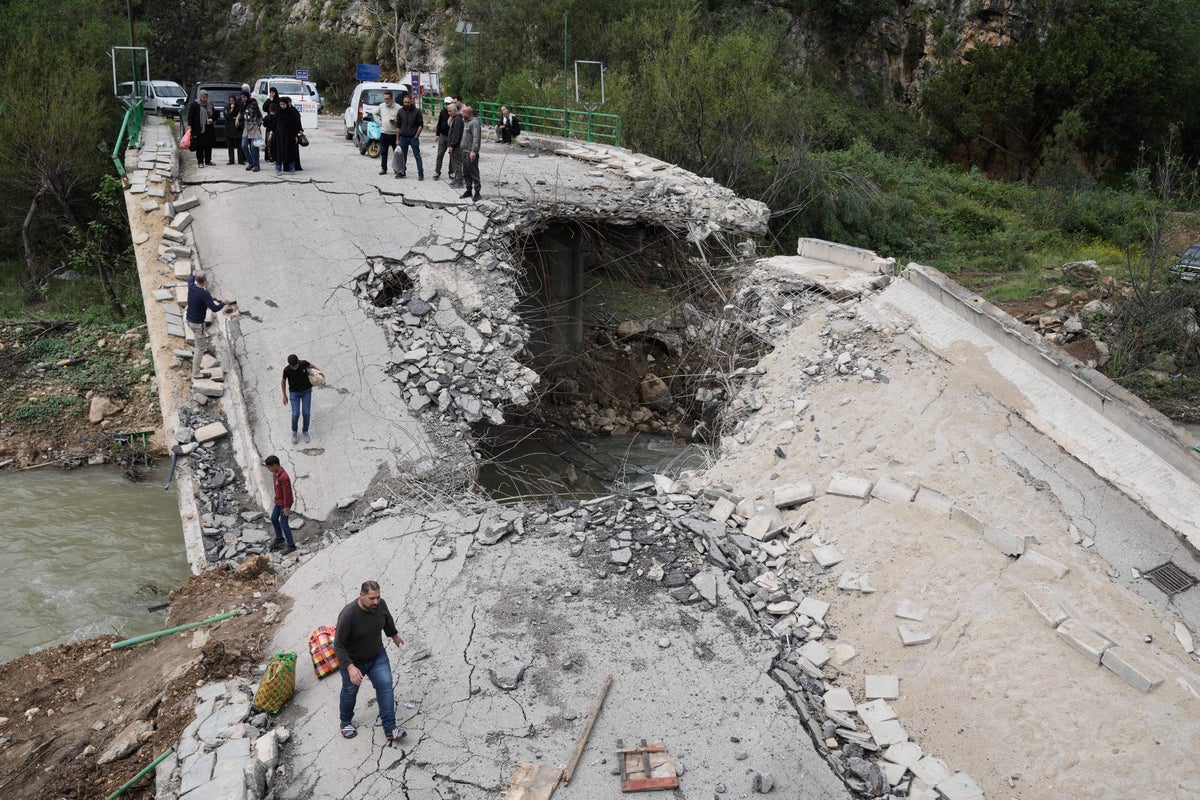
In a parallel diplomatic effort, Trump announced a three-week extension of the ceasefire between Israel and Lebanon after hosting their ambassadors at the White House. Hezbollah, the Iran-backed militia central to years of cross-border attacks, was deliberately excluded from the talks. Trump described the meeting as productive and expressed optimism about a broader peace agreement this year, stating the United States would work with Lebanon to shield it from Hezbollah influence. Israeli strikes in southern Lebanon the previous day, which killed at least five people including a journalist, underscored that the truce remains imperfect but has still reduced overall violence.
The convergence of these developments highlights recurring patterns in Middle East diplomacy. Previous administrations often relied on sanctions relief and rhetorical engagement that strengthened Iran’s economy and its network of proxies. The current approach — combining decisive military action with persistent economic denial — appears to have placed the regime on the defensive. Iran’s turn to Pakistan, a nation with its own complicated ties to both Washington and Tehran, suggests it lacks better options.
How long Iran can endure the blockade remains an open question. The regime has closed the strait to foreign shipping in retaliation and seized vessels, yet its financial hemorrhaging continues. Trump has emphasized that the United States maintains “total control” of the waterway and will keep it closed until Tehran makes a deal or faces further consequences.
As the Iranian delegation lands in Islamabad, the stakes are clear. Successful talks could produce a more stable regional order that limits Iran’s ability to fund terrorism and disrupt energy markets. Failure could return the conflict to its kinetic phase, with all the costs that entails for American interests, global commerce, and the Iranian people themselves. For now, the administration’s posture reflects a preference for dealing in realities rather than aspirations — applying pressure where it hurts most while leaving the door open to a negotiated end that serves long-term security.
You just read Conservative's take. Want to read what actually happened?
More in Politics
Trump at 32% Approval as Gas Prices Test GOP Midterm Hopes
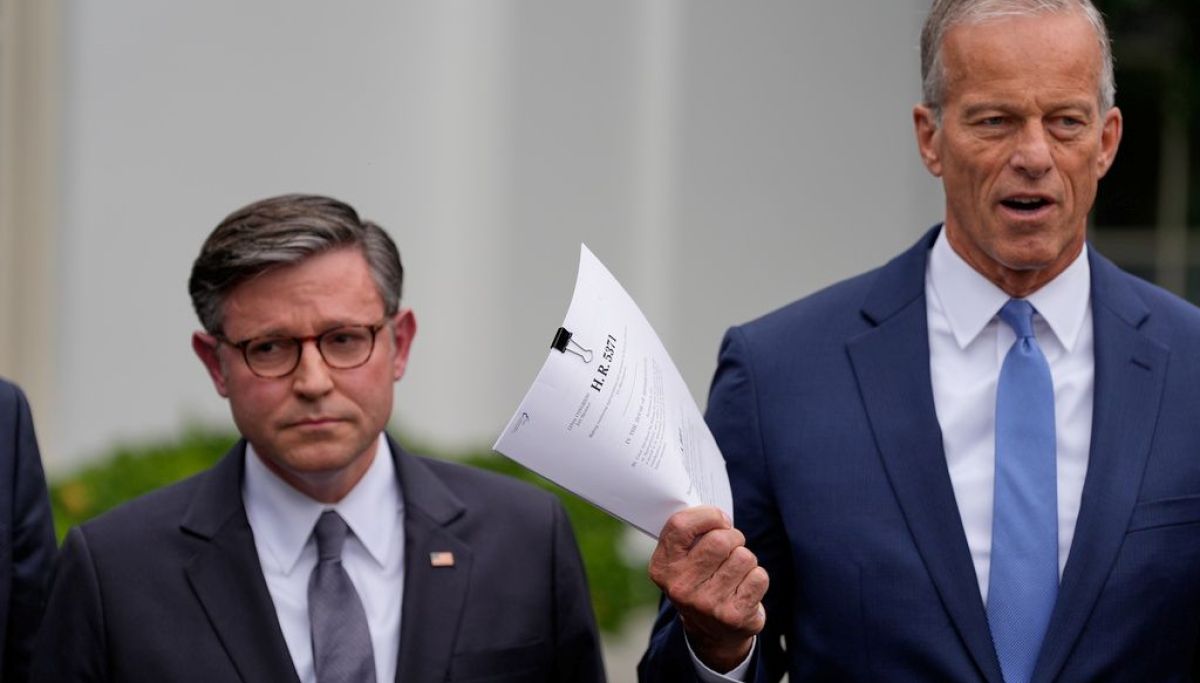
NYT/Siena polling showed Trump's approval at historic lows around 32 percent with Democrats leading by double digits in key districts. Early voting has surged in battleground states.

Record Early Voting Hits Battlegrounds, Shifting Partisan Shares
AP analysis found hundreds of thousands more early ballots than in 2022 in states including Texas, Ohio, Kansas, Maine, and North Carolina, shifting partisan dynamics.
Trump Backs Marshall in Kansas Senate Race Tightened by Farm Costs
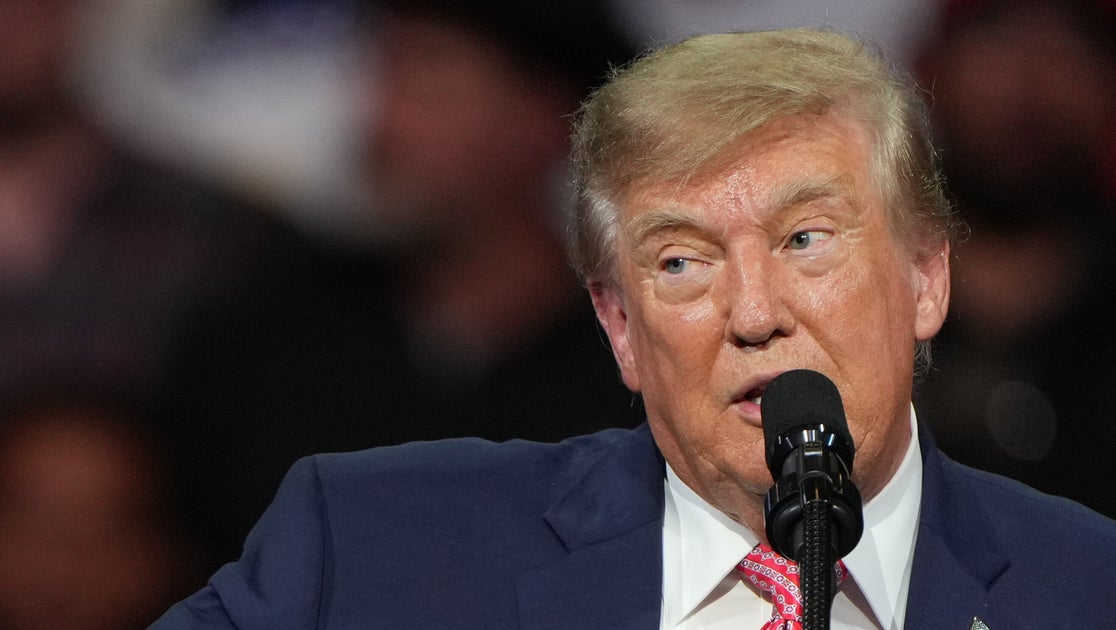
President Trump rallied in deep-red Kansas for GOP Sen. Roger Marshall in a competitive race, announcing an $8 billion farm fuel relief program amid high diesel prices. Democrats see an opening to end 94 years of GOP dominance in the state.

Trump Pauses Russia Sanctions Amid Ukraine Tensions and Missile Strikes
Trump waived sanctions on Russia and floated trilateral talks with Putin and Xi as part of ending the Ukraine war, while tensions rose with Zelenskyy over Starlink and arms. Bipartisan senators engaged Zelenskyy amid the shifts.
The Compass
You just read five takes on one story.
What's your take? Find your political shape in a few minutes.
Take the test