
Trump Extends Israel-Lebanon Ceasefire as Hormuz Blockade Enters Week 8 of Iran War
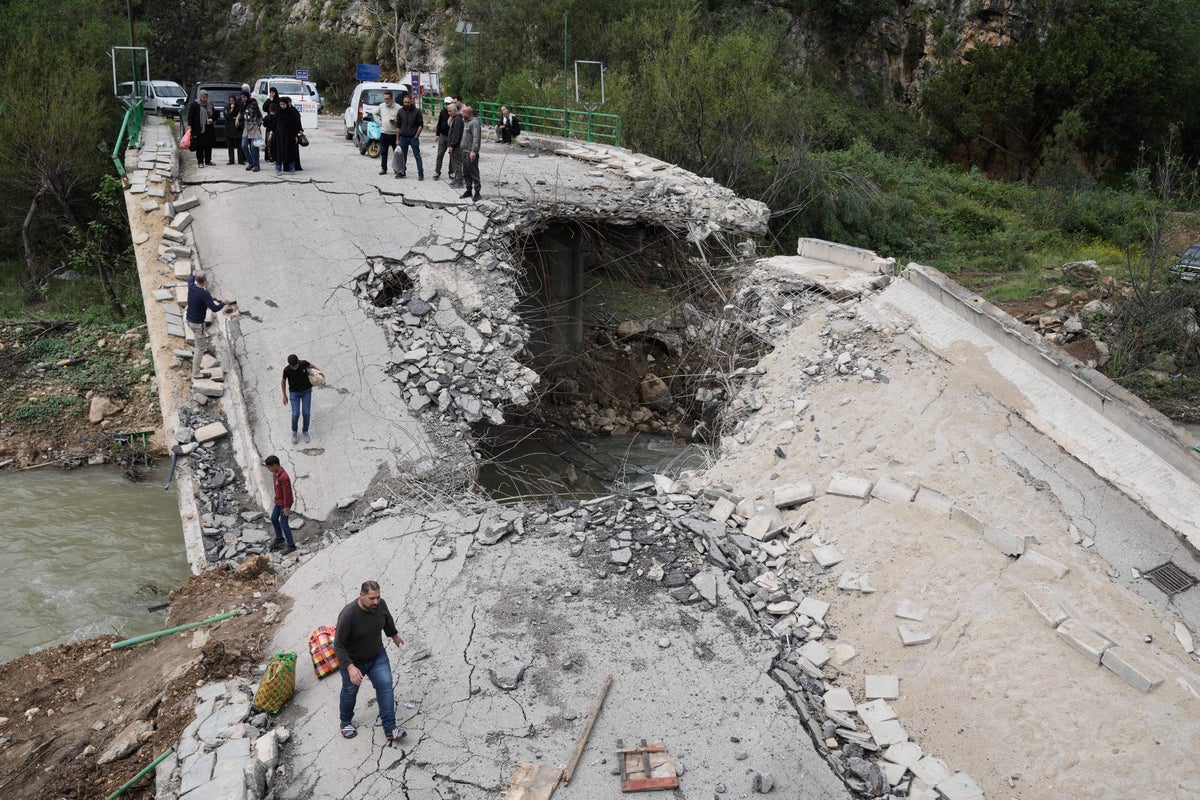
Cover image from independent.co.uk, which was analyzed for this article
President Trump extends the Israel-Lebanon ceasefire amid day 56 of the Iran war, with Hegseth and Caine briefing on 'epic fury' in the Strait of Hormuz including shoot-and-kill orders and minimal shipping. Israeli strikes continue despite truce, as Iran delegation heads to Pakistan for talks. Global allies strain under US pressure.
PoliticalOS
Friday, April 24, 2026 — Politics
The Iran conflict sits in an uneasy pause where the U.S. Hormuz blockade exerts real pressure yet Iran has adapted through higher oil prices, floating storage and willingness to endure longer than Washington may prefer. Diplomatic channels in Pakistan remain active but fragile, while the separate Israel-Lebanon ceasefire is repeatedly tested by strikes and retaliatory fire. The single most important reality is that economic pain is mutual, shipping data is opaque, and any miscalculation risks rapid escalation; readers should track primary military releases and trade-intelligence numbers rather than any single outlet's framing.
What outlets missed
Most coverage underplayed documented U.S. casualties, including six soldiers killed by an Iranian drone on March 1 and the loss of a KC-135 tanker with four crew on March 12, per CENTCOM. Outlets also gave short shrift to Iran's actual oil export revenues rising about 40 percent in March-April due to prices above $90-100 per barrel despite the blockade, with 160-170 million barrels already afloat providing cash flow potentially into August. Iranian mine-laying that tripled before U.S. minesweeping, attacks on energy infrastructure across six Gulf states, and the precise timeline of mutual escalations (Iran closing the strait March 2, U.S. blockade April 13) received uneven attention. Finally, the fragility of the Israel-Lebanon truce was often buried; Israeli strikes killed a journalist and others the day before the extension announcement, while Hezbollah conducted four operations in response.
Trump Navigates Fragile Cease-fires and Economic Pressure in Iran Standoff
President Donald Trump is attempting to convert military gains into diplomatic openings across the Middle East even as the eight-week-old conflict with Iran grinds on under a punishing American naval blockade. A senior Iranian delegation is expected in Islamabad as soon as Friday night, according to Iranian and Pakistani officials, raising the possibility that indirect talks with the United States could resume despite repeated setbacks. At the same time, Trump announced a three-week extension of the cease-fire between Israel and Lebanon, describing the White House-mediated discussions as having gone “very well” and holding out what he called a “great chance” for a broader peace agreement this year.
The moves come against a backdrop of unrelenting economic pressure on Tehran. The U.S. has maintained its blockade of the Strait of Hormuz since mid-April, intercepting tankers and redirecting vessels linked to Iranian commerce. Trump has repeatedly claimed the Islamic Republic is “collapsing financially,” losing roughly $500 million a day, with its military and police struggling to meet payroll. Iranian officials counter that the blockade amounts to piracy and have responded by closing the strait to most foreign shipping and seizing vessels of their own. Iran’s First Vice President Mohammad Reza Aref warned that security in the waterway “is not free,” tying safe passage for global oil traffic to an end to American and Israeli pressure on Iran and its allies.
The human and strategic costs of the campaign, known as Operation Epic Fury, remain substantial. What began as an intense air offensive has evolved into a sustained effort to degrade Iranian military capacity while avoiding full-scale ground involvement. Defense Secretary Pete Hegseth and Joint Chiefs Chairman Gen. Dan Caine briefed reporters Thursday on the status of the extended cease-fire, noting that U.S. forces continue to enforce the naval embargo with live fire when necessary. Initial estimates suggested the opening weeks of the operation involved nearly 1,000 sorties per day, making it the most intensive air campaign of the 21st century.
Trump’s approach mixes blunt military posture with sudden diplomatic gestures. He disclosed this week that he had ordered U.S. forces to “shoot and kill” Iranian small boats operating in the strait, escalating rhetoric at a moment when Iranian leadership is still sorting out lines of authority after Supreme Leader Ali Khamenei was killed in the opening strikes on Feb. 28. In a rare joint appearance on social media, President Masoud Pezeshkian and Parliament Speaker Mohammad Bagher Qalibaf rejected any notion of internal divisions, declaring there are no “hardliners or moderates” but only “Iranians and revolutionaries.”
The president’s temperament has also spilled into public view. During a Thursday briefing, Trump sharply rebuked a female reporter who pressed him on the conflict’s duration and its contribution to rising gas prices. After the reporter noted that the administration’s early four-to-six-week timeline had been exceeded, Trump interrupted, calling her “such a disgrace” and demanding whether she had heard his previous answers. He invoked the length of the Vietnam War before asserting that the United States had already achieved most of its military objectives and was now waiting to see what kind of deal might emerge. If no agreement materializes, he warned, the U.S. would “finish it up militarily.”
The Lebanon-Israel cease-fire extension offers a partial success story amid the larger regional crisis. Trump hosted Israel’s ambassador to Washington, Yechiel Leiter, and Lebanon’s ambassador, Nada Moawad, at the White House on Wednesday, with Vice President JD Vance and Secretary of State Marco Rubio also present. Hezbollah, the Iran-aligned group at the center of the southern Lebanon fighting, was pointedly not invited and continues to insist it retains “the right to resist” Israeli forces. Israeli strikes the day before the talks killed at least five people, including a journalist, underscoring how fragile even temporary halts in violence remain.
For all the public optimism, several uncertainties cloud the path forward. It is unclear whether the Iranian delegation traveling to Pakistan signals an imminent second round of direct or indirect talks with Washington or merely an effort to shore up regional alliances. Pakistani leaders held a phone call with their Iranian counterparts to discuss the cease-fire, but the White House has offered no detailed readout. Equally opaque is the question of who ultimately speaks for Iran. The power vacuum left by Khamenei’s death has produced a fluid mix of civilian officials, Revolutionary Guard commanders, and clerical figures whose relative influence is difficult to gauge from outside.
The economic ripple effects are already being felt beyond the region. Oil prices have climbed above $106 a barrel as the Hormuz deadlock persists, contributing to higher gasoline costs at American pumps. That domestic pressure appears to be one reason administration officials have continued to brief regularly even as the pace of major combat has slowed.
Trump’s strategy reflects a conviction that sustained military and economic leverage can force Tehran to the table on American terms. Whether the current mix of blockade, targeted strikes, and selective diplomacy can produce a durable settlement rather than a series of fragile pauses remains the central test. For now, the administration is extending cease-fires where it can, maintaining pressure where it must, and gambling that Iran’s financial distress will eventually outweigh its ideological commitments. The Iranian delegation’s movements in the coming days may offer the clearest indication yet of whether that gamble is likely to pay off.
You just read Liberal's take. Want to read what actually happened?
More in Politics

Trump Defends Ramaswamy Ad Using Estranged Mother in Ohio Race
President Trump defended a GOP nominee's ad featuring a Democratic opponent's estranged mother, calling it powerful, while drawing criticism from some Republicans including Ohio Gov. Mike DeWine. The ad has sparked internal GOP tensions ahead of midterms.
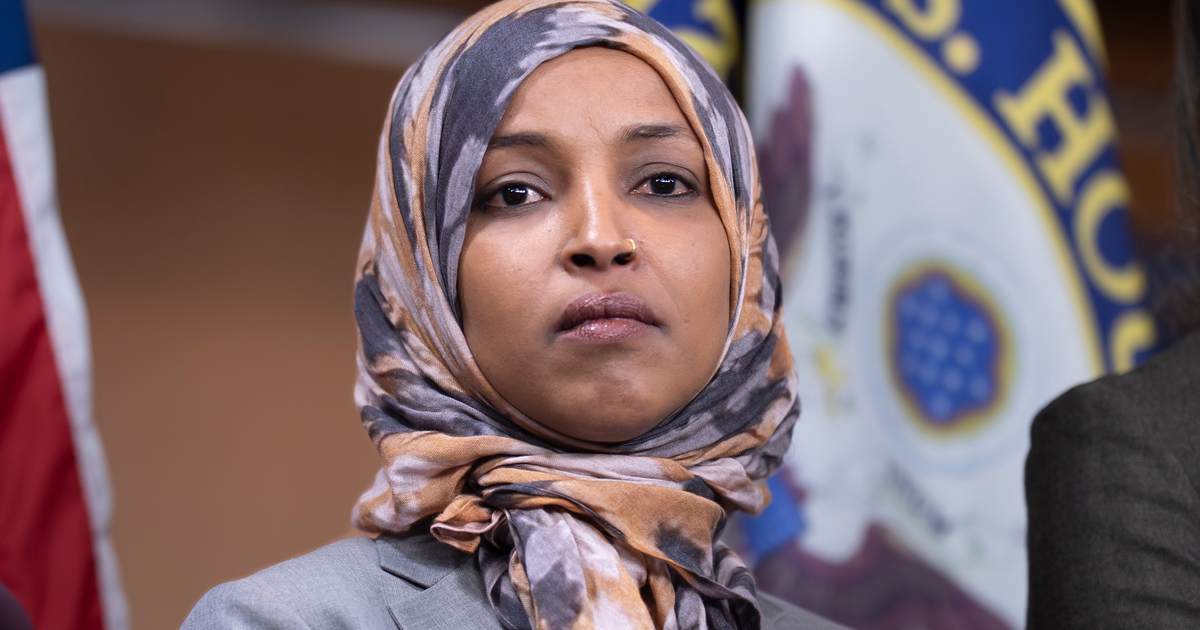
Federal Raid Targets Omar Amid Unresolved Name and Marriage Allegations
Agents searched Rep. Ilhan Omar's DC residence over immigration fraud allegations; she called it bizarre. Reports and commentary questioned her birth name and past marriage details.

Supreme Court Upholds New Hampshire Student ID Voting Ban
The Supreme Court upheld New Hampshire's ban on student IDs as valid voter identification just before midterms, affecting a tight Senate race.
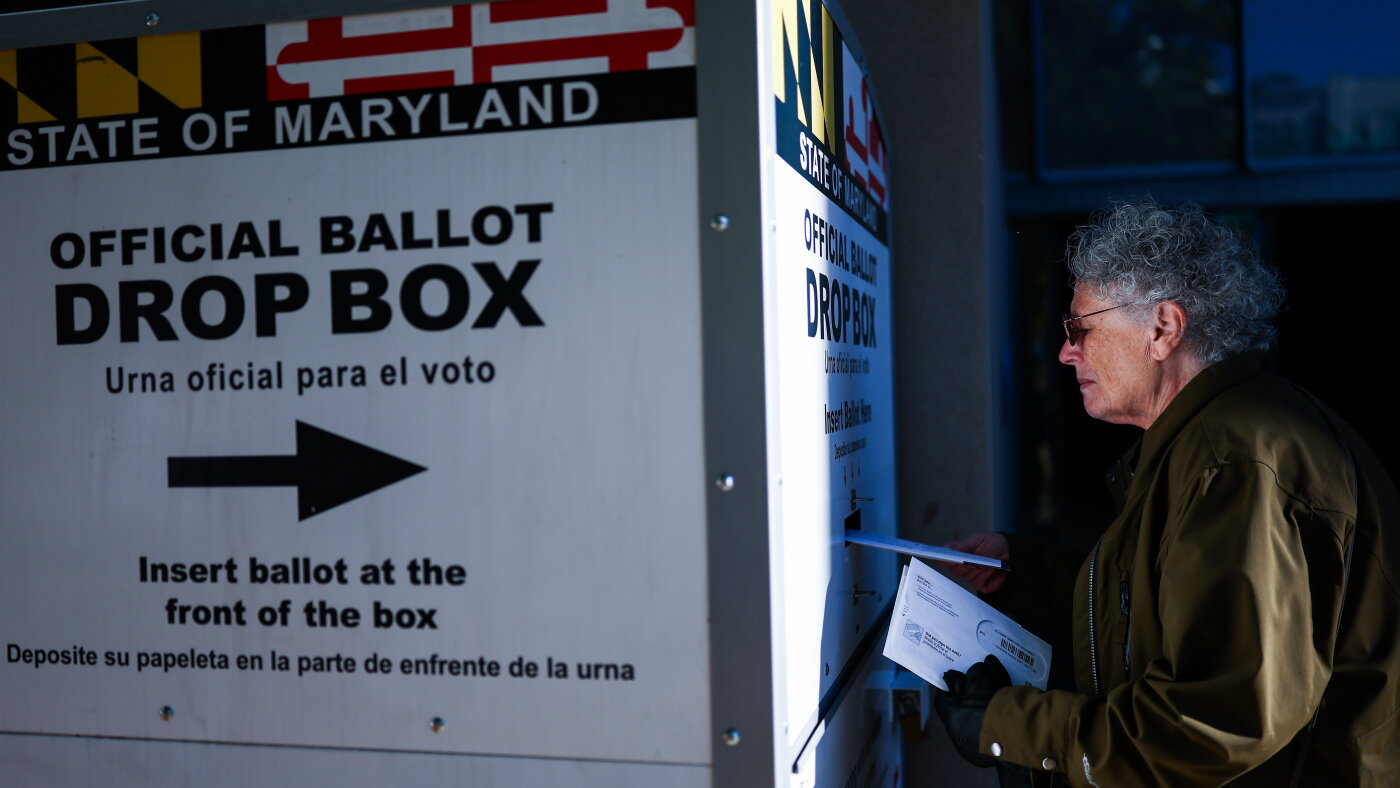
Early Voting Hits 21 Million as Most Trust Midterm Accuracy
Millions have already voted early as parties make final appeals amid $1.4 billion in ad spending; polls show confidence in election accuracy.
The Compass
You just read five takes on one story.
What's your take? Find your political shape in a few minutes.
Take the test