
US-Iran Tensions Drive Oil Shocks, Proxy Charges and Diplomatic Signals
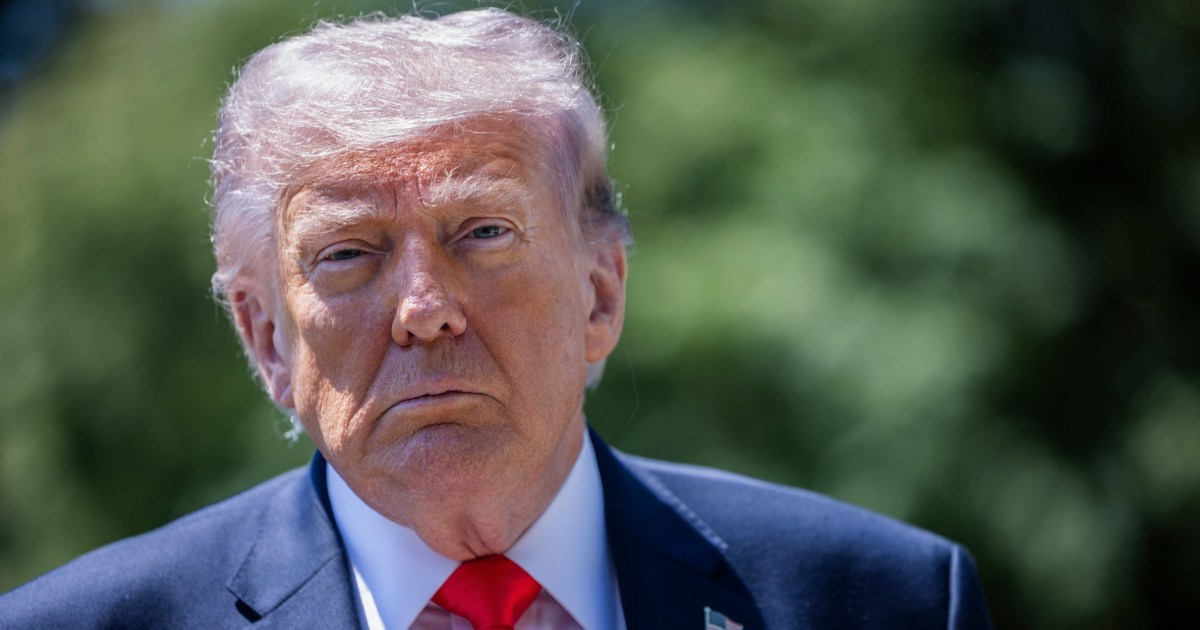
Cover image from nbcnews.com, which was analyzed for this article
Ongoing US-Iran tensions drive up oil prices and prompt new US charges against Iranian proxies. Coverage spans military actions, diplomacy signals, and global economic effects.
PoliticalOS
Saturday, May 16, 2026 — Politics
Oil-price effects and legal actions against Iranian proxies are measurable and documented, yet the path from current signals of talks to any durable de-escalation remains blocked by unresolved disputes over nuclear material and control of the Strait of Hormuz.
What outlets missed
Most accounts omitted Nigeria’s confirmation that several of al-Minuki’s lieutenants were also killed and that the operation targeted a specific compound in the Lake Chad Basin. Few reports placed the new U.S. charges against al-Saadi alongside the documented expansion of Islamic State activity in the Sahel, leaving readers without context on overlapping counterterrorism efforts. Pipeline projects already under construction in the Gulf received little attention relative to the new UAE acceleration, understating the timeline of infrastructure responses to the strait closure.
Trump Signals Opening to Iran Talks as War Drags On and Oil Shock Enriches Select Players
President Trump indicated this week he might entertain negotiations with Iran to halt the conflict now in its 78th day, even as both sides remain locked over Tehran's stockpile of enriched uranium. Iranian Foreign Minister Abbas Araghchi told a BRICS gathering that messages from the administration showed openness to new discussions, though he noted the core sticking point involves Iran's nuclear material. Trump floated the idea of Tehran freezing its civilian nuclear work for up to 20 years if it shows real commitment to a wider deal.
The signals come against a backdrop of continued violence. In southern Lebanon, a fragile ceasefire with Israel was extended by 45 days past Sunday's deadline, yet Israeli strikes still hit towns and villages. Lebanese officials reported at least 12 deaths on Friday alone, including three paramedics. Inside Iran, municipal authorities tallied more than 1,260 killed and 2,800 wounded in the capital from US and Israeli strikes, along with damage to 51,000 homes and over 10,700 vehicles. Araghchi said Iran welcomes help from any quarter, naming China in particular, to break the impasse.
Separately, US authorities unsealed charges against Iraqi national Mohammad Baqer Saad Dawood al-Saadi, 32, accused of directing at least 18 attacks and plots across the United States, Canada, and Europe on behalf of the Iran-backed Kataib Hezbollah. The complaint, filed in Manhattan federal court, ties the operations to efforts to force Washington and Israel to stop their military campaign against Iran. FBI Director Kash Patel called the overseas arrest a success in the administration's drive to bring terrorists to justice, crediting joint work with partners including US Ambassador Tom Barrack in Turkey.
In another counterterrorism development, Trump announced that US and Nigerian forces killed Abu-Bilal al-Minuki, described as the Islamic State's second-in-command worldwide, during a raid on his compound in the Lake Chad Basin. The president said the operation, executed at his direction, also eliminated several of al-Minuki's lieutenants and that the removal has greatly diminished the group's global reach. Nigeria's government confirmed early assessments of the outcome and noted the target had been under US sanctions since 2023 as a senior Sahel-based leader providing operational guidance to the network.
The broader conflict has produced a sharp energy shock. With the Strait of Hormuz effectively closed to much traffic, Gulf producers including Iraq and the United Arab Emirates have cut output and exports. Data compiled from shipping and pricing records show the United States has increased energy sales abroad at elevated prices, generating gains for domestic operators outside the Persian Gulf. Countries able to reroute oil via pipelines have fared better than those fully dependent on the strait, underscoring uneven effects across producers.
These developments arrive as the administration balances diplomatic feelers with ongoing military pressure. Casualty figures from Iranian and Lebanese sources continue to mount, while separate actions against designated terrorist figures show focused operational results. How any renewed talks might address the nuclear deadlock or the wider regional fallout remains unclear, with both Washington and Tehran still far apart on core demands.
You just read America First's take. Want to read what actually happened?
More in Politics
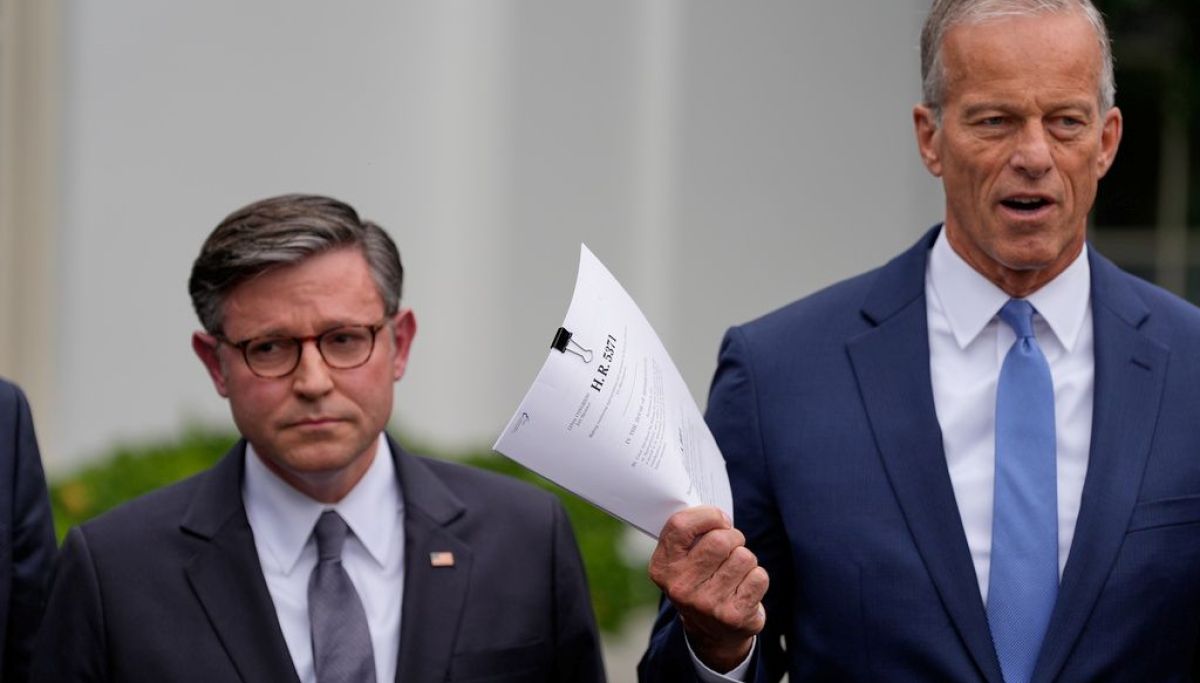
Trump at 32% Approval as Gas Prices Test GOP Midterm Hopes
NYT/Siena polling showed Trump's approval at historic lows around 32 percent with Democrats leading by double digits in key districts. Early voting has surged in battleground states.

Record Early Voting Hits Battlegrounds, Shifting Partisan Shares
AP analysis found hundreds of thousands more early ballots than in 2022 in states including Texas, Ohio, Kansas, Maine, and North Carolina, shifting partisan dynamics.
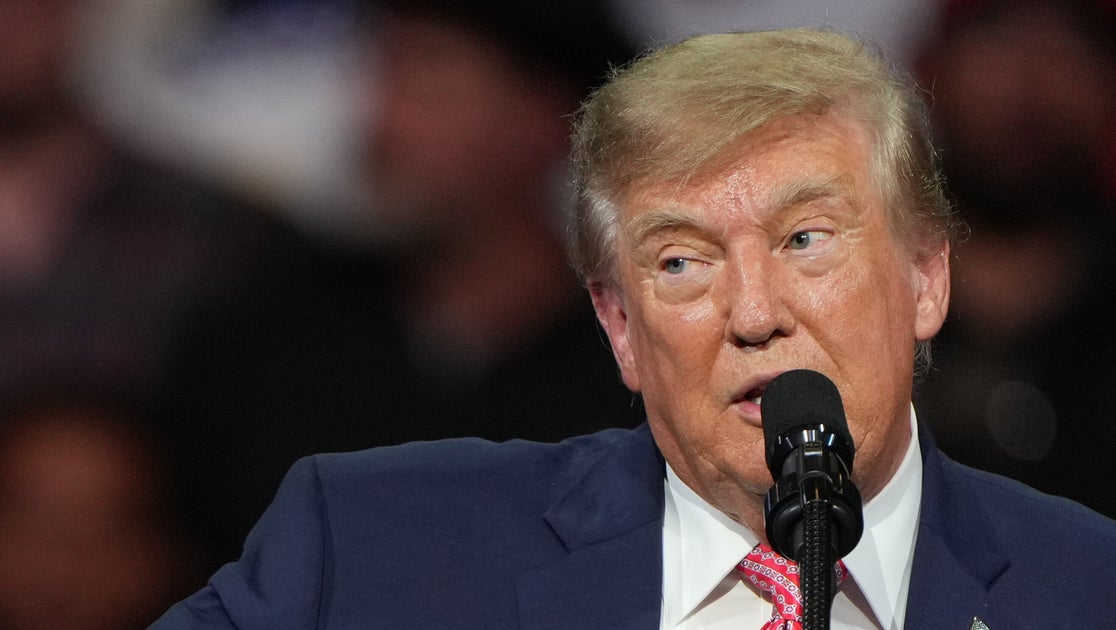
Trump Backs Marshall in Kansas Senate Race Tightened by Farm Costs
President Trump rallied in deep-red Kansas for GOP Sen. Roger Marshall in a competitive race, announcing an $8 billion farm fuel relief program amid high diesel prices. Democrats see an opening to end 94 years of GOP dominance in the state.

Trump Pauses Russia Sanctions Amid Ukraine Tensions and Missile Strikes
Trump waived sanctions on Russia and floated trilateral talks with Putin and Xi as part of ending the Ukraine war, while tensions rose with Zelenskyy over Starlink and arms. Bipartisan senators engaged Zelenskyy amid the shifts.
The Compass
You just read five takes on one story.
What's your take? Find your political shape in a few minutes.
Take the test