
Treasury Proposes Ending Tax Breaks for Race-Based School Aid
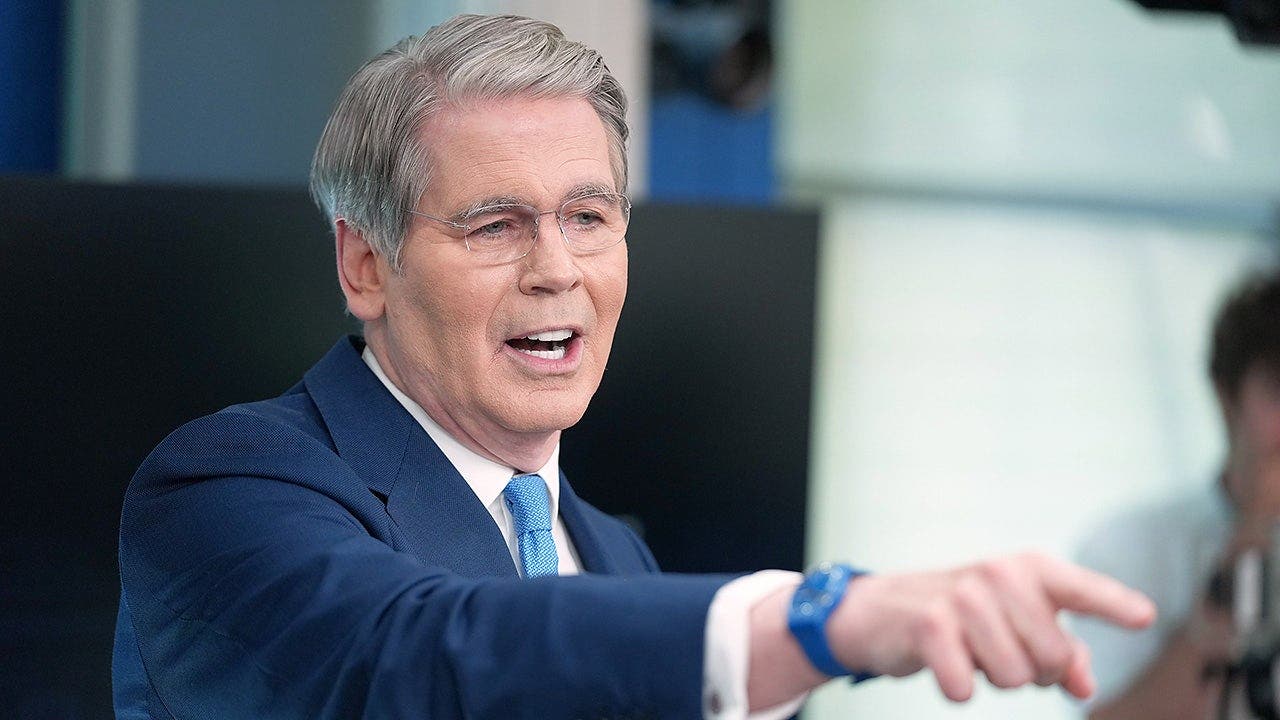
Cover image from foxnews.com, which was analyzed for this article
New Treasury guidance would revoke 501(c)(3) status for schools and colleges with DEI or race-targeted aid programs.
PoliticalOS
Friday, September 4, 2026 — Politics
The Treasury proposal would condition tax-exempt status on ending any use of race in school programs, extending beyond the 2023 Supreme Court admissions ruling. Implementation details remain undefined pending final rules and expected litigation. Readers should track the public comment period for concrete definitions of prohibited practices.
What outlets missed
The Fox News report omitted the exact regulatory definitions that would determine which programs trigger revocation and provided no comparison to existing IRS tax-exemption standards. No data appeared on how many institutions currently operate race-based programs or the revenue impact of lost exemptions. The single reference to a DOJ investigation into one college was not developed into context on enforcement patterns. Salon published an unrelated article on data-center deals and offered no coverage of the Treasury proposal.
The Trump administration's Treasury Department and IRS have proposed rules that would strip tax-exempt status from private schools and colleges maintaining admissions, scholarships, or other programs that consider race, color, or national origin. The change would affect institutions currently using such criteria in any capacity, including efforts framed as addressing past discrimination.
Under the draft regulations, any consideration of race for admissions, financial aid, athletics, or school-supported activities could trigger loss of 501(c)(3) status. Treasury estimates the rules could reach 18,000 schools and 750,000 students receiving race-based scholarships. The proposal explicitly preserves religious schools' ability to select students by faith but bars race-neutral alternatives only when they serve as proxies for racial preferences.
The move follows the Supreme Court's 2023 Students for Fair Admissions ruling limiting race-conscious admissions at universities. Administration officials describe the policy as enforcing nondiscrimination, while the American Association of University Professors called it an attempt to weaponize civil-rights law against the groups it was meant to protect. The proposal is open for public comment and faces likely court challenges if finalized.
Schools could still assist disadvantaged students through income, geography, or first-generation criteria. No final regulatory text has been released, leaving the precise definitions of covered programs and enforcement mechanisms unresolved.
More in Politics

Trump Bars CNN, MSNBC, Politico; Outlets Sue Over Access
President Trump barred CNN, MS NOW, and Politico from White House access over disputed coverage, prompting the outlets to notify the administration of a planned First Amendment lawsuit. Multiple outlets across the spectrum reported on the escalating conflict between the administration and major media organizations.

ICE Shoots Venezuelan DoorDash Driver in Austin Traffic Stop
An ICE officer shot and wounded a Venezuelan man during an enforcement operation in Austin amid ongoing protests against deportation policies. Coverage highlighted the incident as part of intensified immigration enforcement under the Trump administration.

Tight Midterm Races Test Party Control With 43 Days Left
Democrats and Republicans are locked in tight contests for Senate control with 43 days until the midterms, as candidates navigate Trump-era issues and voter fatigue with past election claims. Fundraising, candidate quality, and state-level dynamics are shaping the battle for Congress.

Trump, Xi to Consider AI Safety Alerts and Trade Truce Extension
President Trump is set to host Chinese leader Xi Jinping this week amid ongoing trade, tariff, and security discussions, including signals on non-strategic goods and farm purchases. The meeting comes as both sides manage broader geopolitical tensions.
The Compass
You just read five takes on one story.
What's your take? Find your political shape in a few minutes.
Take the test