
Israel-Lebanon Ceasefire Tied to Hezbollah Pullback, Iran Talks
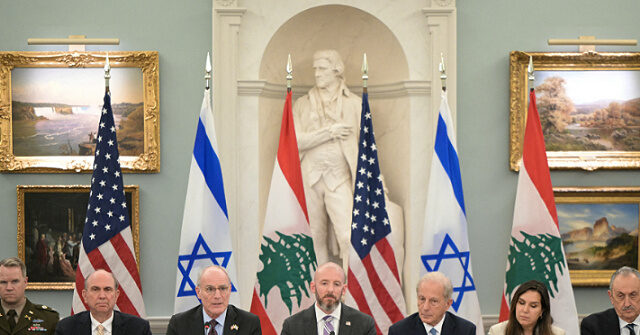
Cover image from breitbart.com, which was analyzed for this article
Israel and Lebanon reached a US-brokered ceasefire framework conditional on Hezbollah halting attacks, though some operations continue.
PoliticalOS
Thursday, June 4, 2026 — Politics
The ceasefire remains conditional and fragile, with both sides continuing limited operations while broader talks on a permanent arrangement and the linked Iran negotiations remain unresolved. Readers should watch whether Hezbollah accepts the withdrawal terms and whether the pilot zones are actually established.
What outlets missed
Most accounts omitted the specific scale of reported Israeli strikes near hospitals in Tebnine and Tyre and the Lebanese health ministry claim that two paramedics were killed in an ambulance attack. The connection between the Lebanon track and the separate U.S.-Iran talks over the Strait of Hormuz received uneven treatment, with some outlets noting Iranian warnings but few detailing the U.S. House resolution pressing Trump to seek congressional approval for continued involvement. Details on the exact size of the proposed pilot zones and the timeline for any Israeli withdrawal from the 600 square kilometers currently held were left largely unaddressed.
The agreement between Israel and Lebanon offers a narrow opening to reduce cross-border violence that has killed thousands and displaced more than one million people in Lebanon while threatening to derail separate U.S. negotiations with Iran. The framework, announced June 3 after two days of talks in Washington, requires Hezbollah to stop all attacks and withdraw its fighters south of the Litani River, roughly 20 miles from the border. In exchange, Lebanese army units would gain exclusive control of designated pilot zones. Fighting did not stop. Israeli strikes continued in Nabatieh and the western Bekaa valley the next day, and Hezbollah fired rockets and drones at Israeli positions near Qantara.
The U.S. State Department statement, issued jointly with Israel and Lebanon, said the steps would open the way for broader talks aimed at a comprehensive peace and security agreement. It stressed that only the two sovereign governments could decide the future relationship and rejected any attempt by outside actors to hold Lebanon hostage. Follow-up negotiations are scheduled for the week of June 22. Israeli Defense Minister Israel Katz stated that Israeli forces would remain in a security zone up to the yellow line, continue dismantling infrastructure, and retain the right to strike Beirut if Hezbollah fires on Israeli communities. IDF Chief of Staff Lt. Gen. Eyal Zamir said operations would proceed without pause.
More than 3,000 deaths have been reported in Lebanon and dozens in Israel since fighting intensified in March, according to the respective governments. The April truce had already frayed, with both sides citing violations. President Trump said he wanted Lebanon handled separately from U.S.-Iran talks, while Tehran has insisted the fronts are linked and warned that continued Israeli operations could affect those negotiations. Hezbollah was not a direct participant in the Washington talks. Its secretary general, Naim Qassem, was expected to address the terms publicly. The Lebanese government has said it will not allow Iran to negotiate on its behalf.
More in Politics
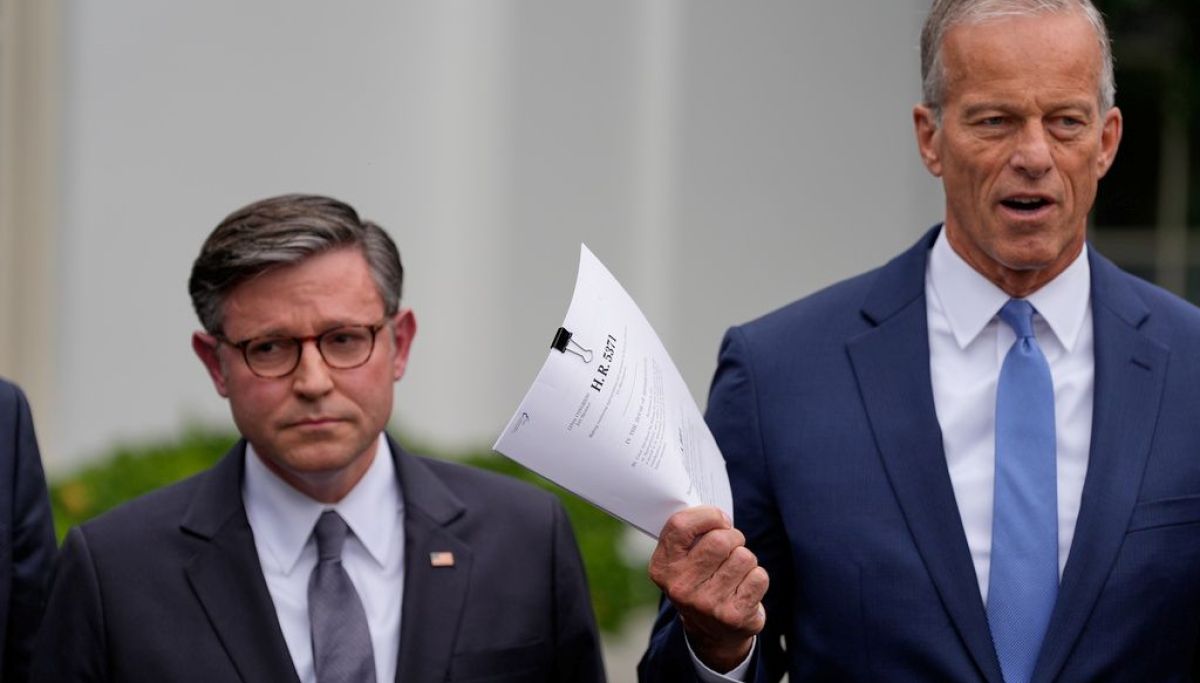
Trump at 32% Approval as Gas Prices Test GOP Midterm Hopes
NYT/Siena polling showed Trump's approval at historic lows around 32 percent with Democrats leading by double digits in key districts. Early voting has surged in battleground states.

Record Early Voting Hits Battlegrounds, Shifting Partisan Shares
AP analysis found hundreds of thousands more early ballots than in 2022 in states including Texas, Ohio, Kansas, Maine, and North Carolina, shifting partisan dynamics.
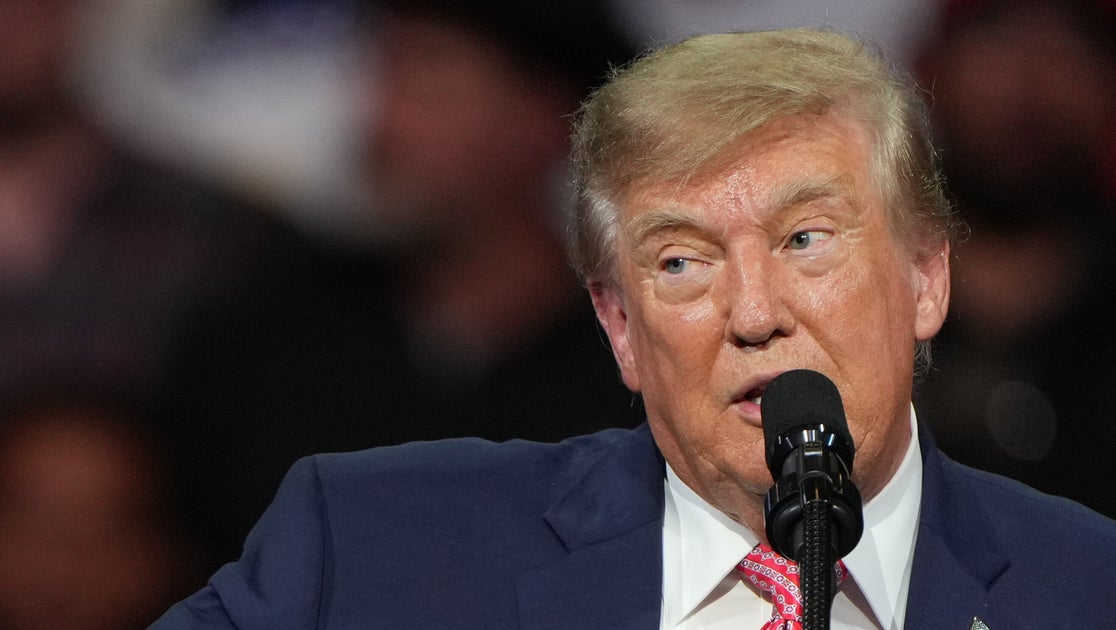
Trump Backs Marshall in Kansas Senate Race Tightened by Farm Costs
President Trump rallied in deep-red Kansas for GOP Sen. Roger Marshall in a competitive race, announcing an $8 billion farm fuel relief program amid high diesel prices. Democrats see an opening to end 94 years of GOP dominance in the state.

Trump Pauses Russia Sanctions Amid Ukraine Tensions and Missile Strikes
Trump waived sanctions on Russia and floated trilateral talks with Putin and Xi as part of ending the Ukraine war, while tensions rose with Zelenskyy over Starlink and arms. Bipartisan senators engaged Zelenskyy amid the shifts.
The Compass
You just read five takes on one story.
What's your take? Find your political shape in a few minutes.
Take the test