
Israel-Lebanon Ceasefire Tied to Hezbollah Pullback, Iran Talks
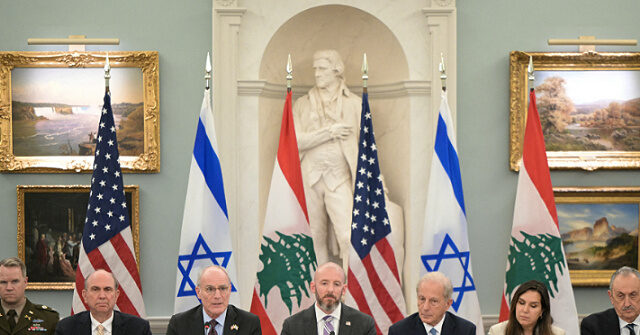
Cover image from breitbart.com, which was analyzed for this article
Israel and Lebanon reached a US-brokered ceasefire framework conditional on Hezbollah halting attacks, though some operations continue.
PoliticalOS
Thursday, June 4, 2026 — Politics
The ceasefire remains conditional and fragile, with both sides continuing limited operations while broader talks on a permanent arrangement and the linked Iran negotiations remain unresolved. Readers should watch whether Hezbollah accepts the withdrawal terms and whether the pilot zones are actually established.
What outlets missed
Most accounts omitted the specific scale of reported Israeli strikes near hospitals in Tebnine and Tyre and the Lebanese health ministry claim that two paramedics were killed in an ambulance attack. The connection between the Lebanon track and the separate U.S.-Iran talks over the Strait of Hormuz received uneven treatment, with some outlets noting Iranian warnings but few detailing the U.S. House resolution pressing Trump to seek congressional approval for continued involvement. Details on the exact size of the proposed pilot zones and the timeline for any Israeli withdrawal from the 600 square kilometers currently held were left largely unaddressed.
US Brokers Ceasefire Framework Between Israel and Lebanon to Advance Broader Regional Talks
Israel and Lebanon have agreed to a US-mediated ceasefire that ties an end to active fighting along their border to Hezbollah's withdrawal from southern Lebanon, a step the Trump administration has presented as necessary to unlock wider negotiations over the conflict with Iran. The framework, announced after ambassador-level talks in Washington this week, requires Hezbollah to halt all attacks and pull its fighters north of the Litani River while allowing the Lebanese army to establish zones of exclusive control.
The agreement emerged from four rounds of discussions that deliberately excluded Hezbollah representatives. Lebanese officials have used the process to reassert state authority over territory long dominated by the Iran-backed group. A joint statement from the three governments stressed that relations between the two countries must be settled by their sovereign authorities alone, rejecting any role for external actors in shaping Lebanon's future. Further talks are scheduled for June 22.
Implementation remains uncertain. Israeli Defense Minister Israel Katz stated that Israeli forces would retain freedom of action in southern Lebanon and the option to strike Beirut if attacks continue on Israeli communities. Israeli airstrikes were reported in the Nabatieh region and western Bekaa Valley shortly after the announcement, and Hezbollah claimed it targeted Israeli positions near Qantara. These exchanges illustrate the practical difficulty of converting a diplomatic framework into an operational pause when one party to the fighting is absent from the table.
The ceasefire is explicitly linked to US efforts to reach a deal with Iran. By securing a reduction in Hezbollah activity, Washington hopes to remove one front that could derail talks over Iran's nuclear program and regional posture. Lebanese negotiators, in turn, gain an opportunity to strengthen the central government's position relative to Hezbollah without direct confrontation. Whether the Lebanese army can enforce exclusion zones in areas where Hezbollah maintains deep local support will test the durability of that bargain.
Past attempts to impose similar territorial limits, including the 2006 UN resolution calling for Hezbollah's withdrawal south of the Litani, produced limited results once international attention shifted. The current arrangement adds new mechanisms, such as designated pilot zones and a timetable for follow-on negotiations, but it still depends on Hezbollah's willingness to comply and on sustained US pressure to keep both sides aligned with the stated terms.
The coming weeks will show whether the agreement functions mainly as a diplomatic holding pattern or as the first concrete step toward a more durable separation between the Lebanese state and Hezbollah's military infrastructure.
You just read Liberal's take. Want to read what actually happened?
More in Politics

Trump Defends Ramaswamy Ad Using Estranged Mother in Ohio Race
President Trump defended a GOP nominee's ad featuring a Democratic opponent's estranged mother, calling it powerful, while drawing criticism from some Republicans including Ohio Gov. Mike DeWine. The ad has sparked internal GOP tensions ahead of midterms.
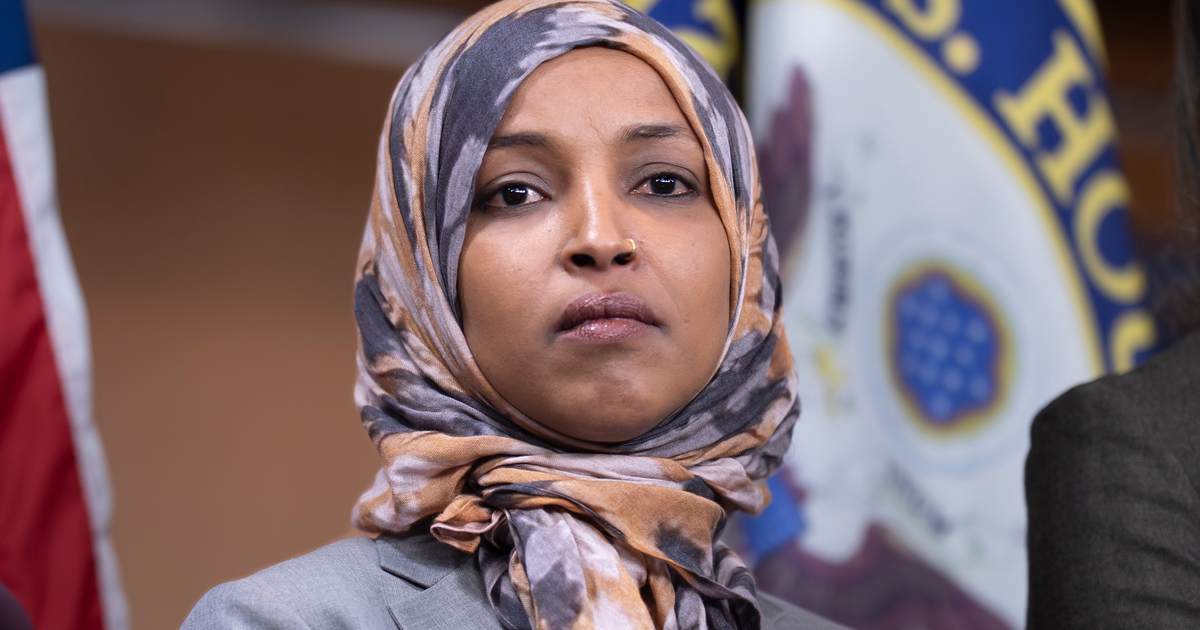
Federal Raid Targets Omar Amid Unresolved Name and Marriage Allegations
Agents searched Rep. Ilhan Omar's DC residence over immigration fraud allegations; she called it bizarre. Reports and commentary questioned her birth name and past marriage details.

Supreme Court Upholds New Hampshire Student ID Voting Ban
The Supreme Court upheld New Hampshire's ban on student IDs as valid voter identification just before midterms, affecting a tight Senate race.
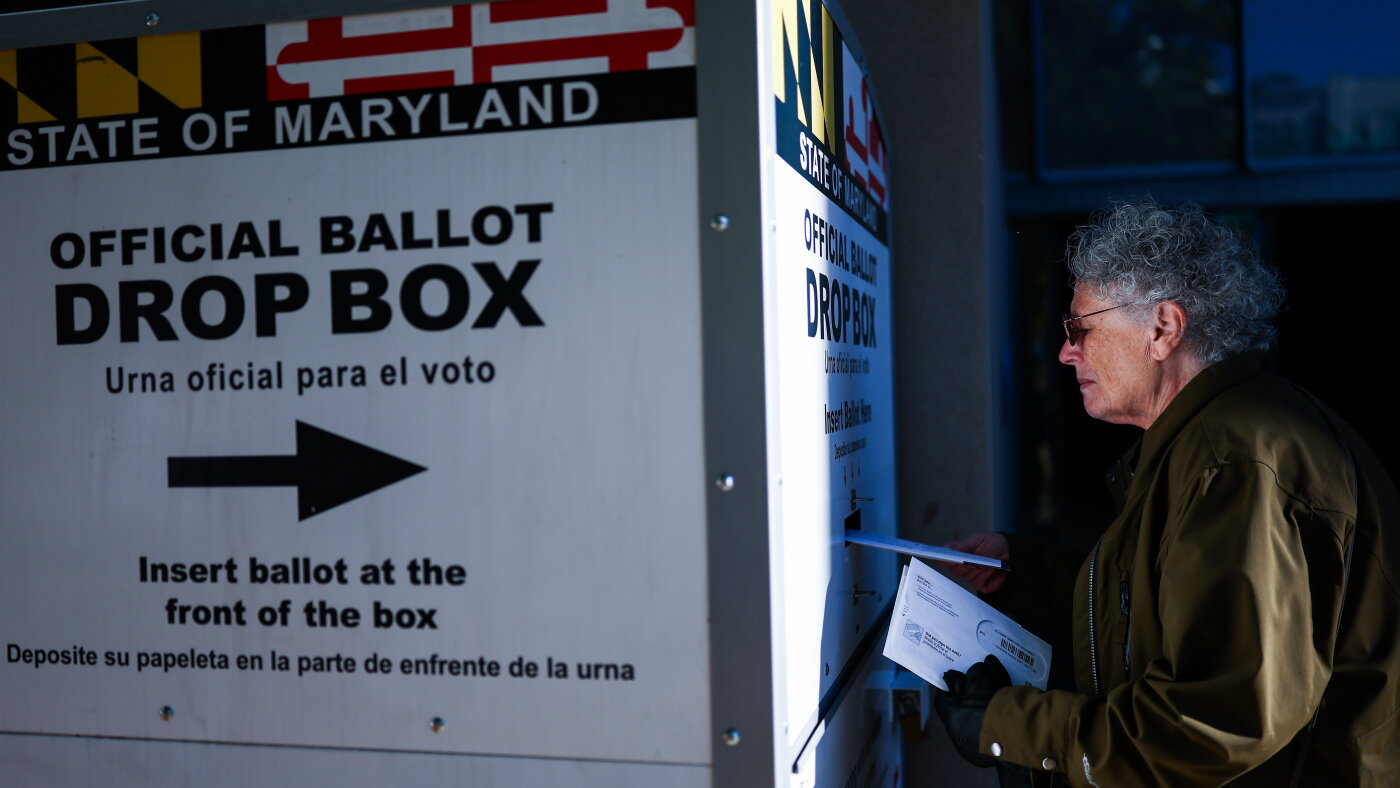
Early Voting Hits 21 Million as Most Trust Midterm Accuracy
Millions have already voted early as parties make final appeals amid $1.4 billion in ad spending; polls show confidence in election accuracy.
The Compass
You just read five takes on one story.
What's your take? Find your political shape in a few minutes.
Take the test