
Israel-Lebanon Ceasefire Tied to Hezbollah Pullback, Iran Talks

Cover image from breitbart.com, which was analyzed for this article
Israel and Lebanon reached a US-brokered ceasefire framework conditional on Hezbollah halting attacks, though some operations continue.
PoliticalOS
Thursday, June 4, 2026 — Politics
The ceasefire remains conditional and fragile, with both sides continuing limited operations while broader talks on a permanent arrangement and the linked Iran negotiations remain unresolved. Readers should watch whether Hezbollah accepts the withdrawal terms and whether the pilot zones are actually established.
What outlets missed
Most accounts omitted the specific scale of reported Israeli strikes near hospitals in Tebnine and Tyre and the Lebanese health ministry claim that two paramedics were killed in an ambulance attack. The connection between the Lebanon track and the separate U.S.-Iran talks over the Strait of Hormuz received uneven treatment, with some outlets noting Iranian warnings but few detailing the U.S. House resolution pressing Trump to seek congressional approval for continued involvement. Details on the exact size of the proposed pilot zones and the timeline for any Israeli withdrawal from the 600 square kilometers currently held were left largely unaddressed.
Israel Keeps Bombing Lebanon Despite New Ceasefire Deal Backed by Trump
Israel and Lebanon have signed on to a U.S.-brokered ceasefire meant to halt months of fighting along their border, yet Israeli forces carried out fresh airstrikes in southern Lebanon hours after the announcement, underscoring how little has changed on the ground. The agreement, reached after two days of talks in Washington, requires Hezbollah to stop all attacks and pull its fighters north of the Litani River while allowing the Lebanese army to set up exclusion zones free of non-state actors. In return, the deal is supposed to open the way for broader talks toward a permanent arrangement between the two countries.
The joint statement issued by the United States, Israel and Lebanon made clear that the truce hinges on Hezbollah’s compliance and that future relations must be decided solely by the two sovereign governments. It also rejected any outside attempt to tie Lebanon’s future to other regional conflicts. Yet the reality on the ground tells a different story. Israeli warplanes struck roads and areas around Nabatieh and the western Bekaa valley on Thursday morning, according to Lebanese state media, while Hezbollah reported firing at Israeli troops near the border village of Qantara. Israeli Defense Minister Israel Katz immediately declared that his forces would keep dismantling what he called terrorist infrastructure and retained the right, with American support, to hit Beirut itself if Israeli communities came under fire.
The timing of the announcement is tied directly to the Trump administration’s urgent push to reach a wider deal with Iran and wind down the larger regional war. U.S. officials have presented the Lebanon track as a necessary step to remove one obstacle in those negotiations. Hezbollah, which is backed by Tehran and wields real power inside Lebanon, was not invited to the Washington talks. Instead, the Lebanese government negotiated alone in what appears to be an effort to reassert state authority and sideline the group. Whether that approach can succeed remains uncertain, given Hezbollah’s deep roots in southern Lebanon and its history of operating independently of official Beirut policy.
Israeli officials have made no secret of their intention to maintain a buffer zone inside Lebanese territory for the foreseeable future. Katz’s remarks about continued “freedom of action” suggest the ceasefire is being treated in Jerusalem more as a pause than a genuine end to operations. Past truces along this border have repeatedly collapsed under similar conditions, with each side accusing the other of violations while civilians bear the cost. Lebanese residents in the south have already endured repeated waves of displacement and destruction, and the latest strikes risk extending that hardship even as diplomats claim progress.
The next round of talks is scheduled for later this month, with the stated goal of moving toward a comprehensive agreement. For that process to have any credibility, however, both sides will need to demonstrate they can actually stop the shooting. So far, the pattern of Israeli airstrikes continuing immediately after the deal was announced does little to inspire confidence that the latest ceasefire will hold any longer than the ones that preceded it.
You just read Progressive's take. Want to read what actually happened?
More in Politics

Trump Defends Ramaswamy Ad Using Estranged Mother in Ohio Race
President Trump defended a GOP nominee's ad featuring a Democratic opponent's estranged mother, calling it powerful, while drawing criticism from some Republicans including Ohio Gov. Mike DeWine. The ad has sparked internal GOP tensions ahead of midterms.
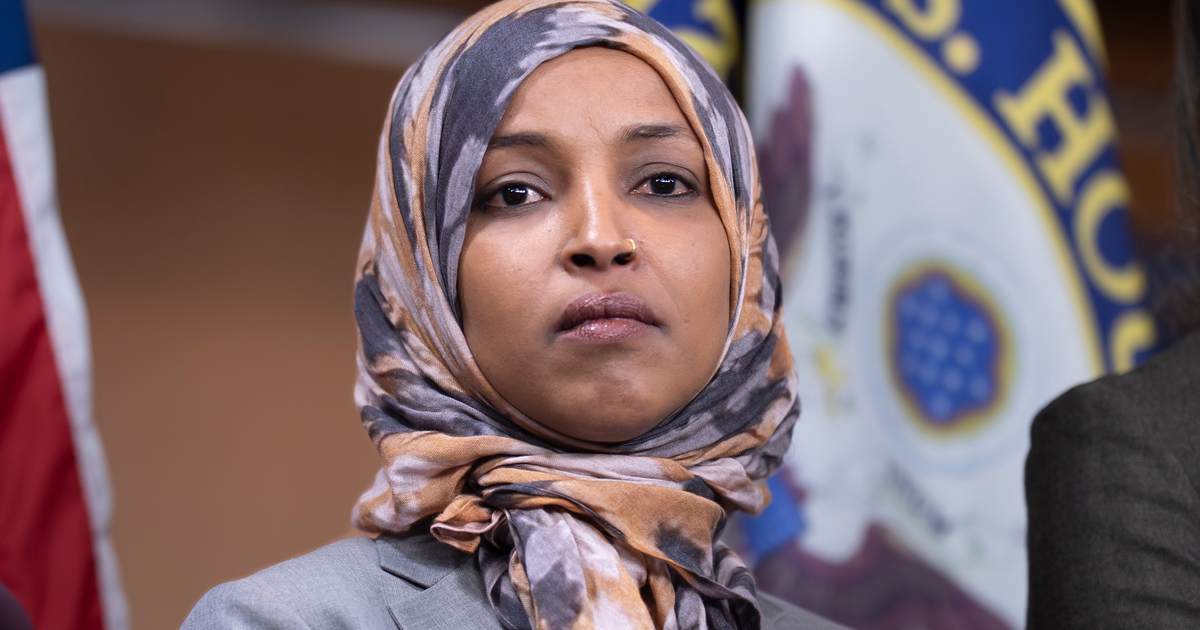
Federal Raid Targets Omar Amid Unresolved Name and Marriage Allegations
Agents searched Rep. Ilhan Omar's DC residence over immigration fraud allegations; she called it bizarre. Reports and commentary questioned her birth name and past marriage details.

Supreme Court Upholds New Hampshire Student ID Voting Ban
The Supreme Court upheld New Hampshire's ban on student IDs as valid voter identification just before midterms, affecting a tight Senate race.
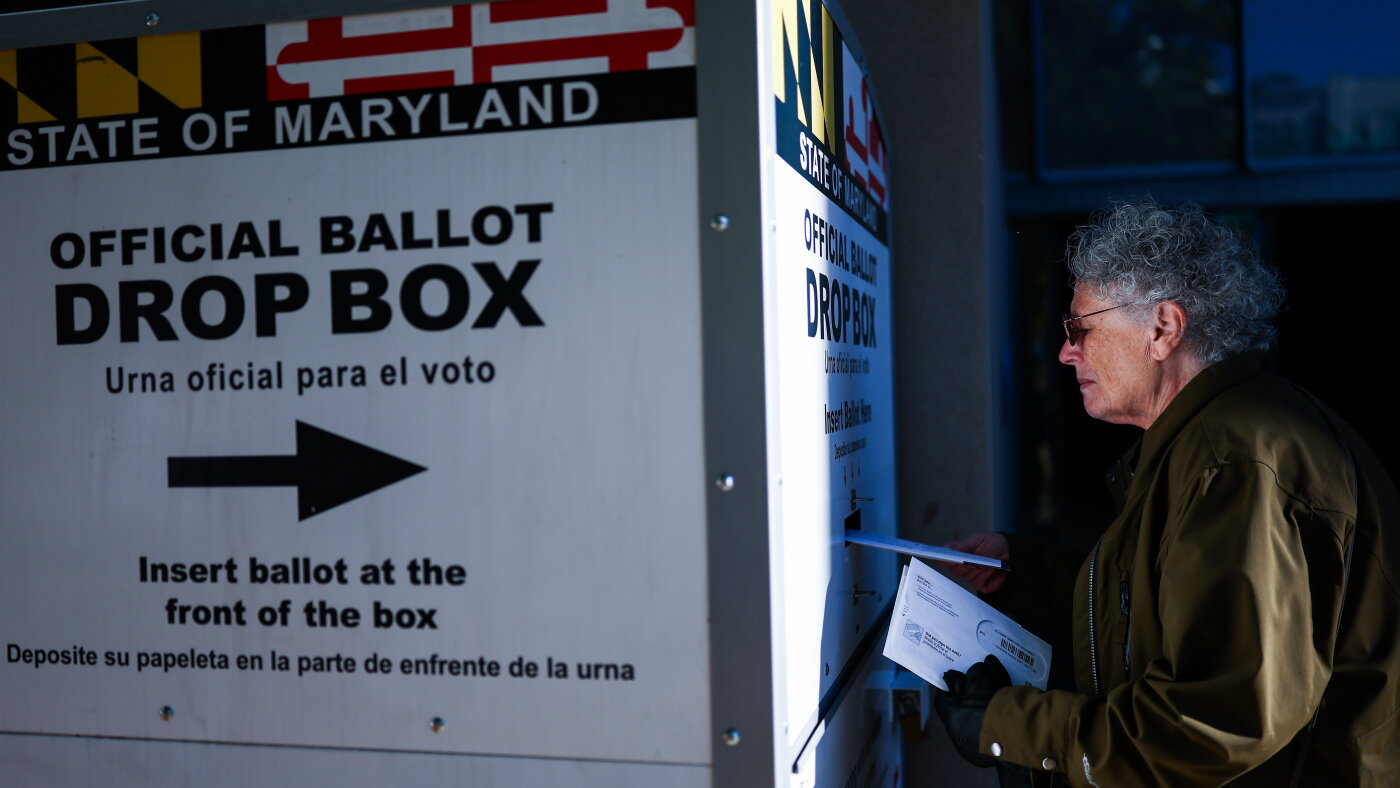
Early Voting Hits 21 Million as Most Trust Midterm Accuracy
Millions have already voted early as parties make final appeals amid $1.4 billion in ad spending; polls show confidence in election accuracy.
The Compass
You just read five takes on one story.
What's your take? Find your political shape in a few minutes.
Take the test