
Israel Seizes Beaufort Castle, Expands Lebanon Ground Operations
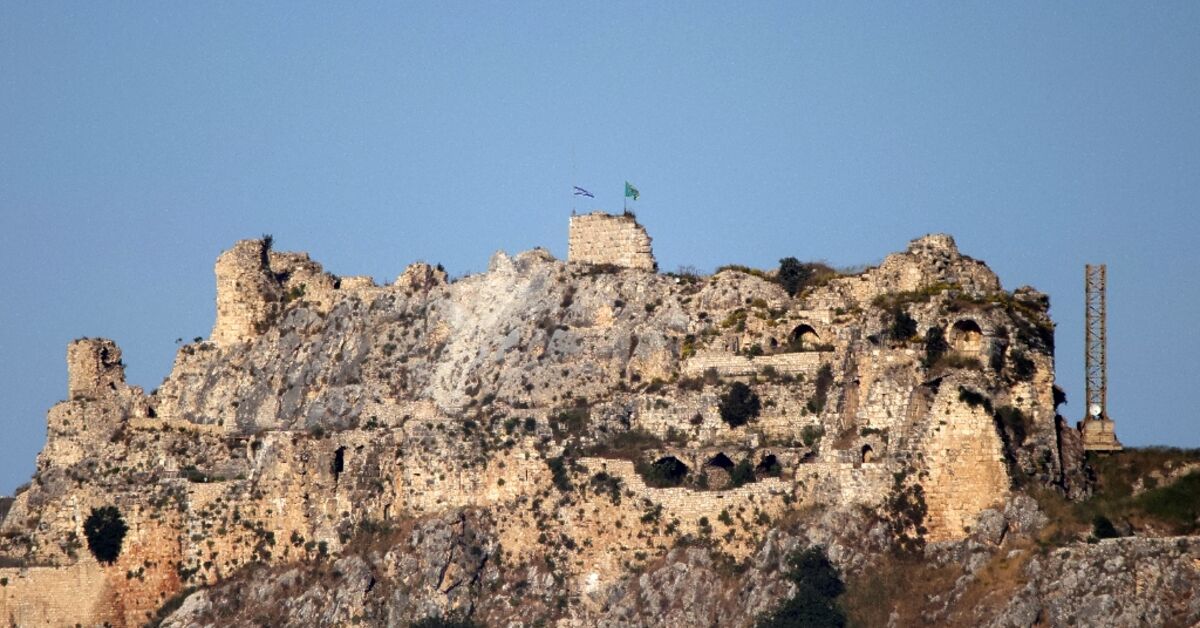
Cover image from al-monitor.com, which was analyzed for this article
Israeli forces seized a medieval castle and crossed the Litani River in a push against Hezbollah, issuing new displacement orders in southern Lebanon.
PoliticalOS
Sunday, May 31, 2026 — Politics
Israeli ground forces have advanced past the Litani River and seized a historic ridge despite an April ceasefire that both sides say has been violated daily. The expansion has triggered new evacuation orders affecting civilians and drawn diplomatic criticism while Hezbollah continues rocket and drone attacks.
What outlets missed
The Reuters dispatch carried by Al-Monitor omitted any mention of the Israeli flag-raising or Defense Minister Katz's historical reference to the 1982 Battle of Beaufort. AFP versions across Newsmax and Al-Monitor did not include French Foreign Minister Barrot's call for a UN Security Council session or Netanyahu's statement on operating across Syria, Gaza and Lebanon. No outlet independently verified the precise number of Hezbollah projectiles fired on Saturday or the exact locations of new Israeli positions beyond the castle and Litani crossing. The Al Jazeera report did not note Hezbollah's stated opposition to the Washington talks.
Israel Advances on Hezbollah Strongholds Capturing Key Ridge in Lebanon
Israel's military captured the historic Beaufort Castle and its surrounding ridge in southern Lebanon on Sunday, marking a significant step in efforts to dismantle Hezbollah infrastructure threatening northern Israeli communities. The operation follows repeated violations of a ceasefire reached more than six weeks earlier, including heavy rocket and drone fire from Hezbollah positions on Saturday that forced school closures and security restrictions inside Israel.
Israeli forces crossed the Litani River for the first time since 2006 and established control over the Beaufort Ridge and Wadi al-Saluki area. The medieval castle provides commanding views across southern Lebanon and into northern Israel, terrain from which Hezbollah has launched hundreds of projectiles at civilian targets and military positions. Defense Minister Israel Katz described the capture as a return to a site used by Israeli troops during the earlier Lebanon campaign, noting its importance for protecting communities in the Galilee. One Israeli soldier was killed during the fighting.
In tandem with the ground advance, Israeli officials issued evacuation orders for all residents south of the Zahrani River. Military spokesman Avichay Adraee warned that anyone remaining near Hezbollah fighters, facilities, or equipment risked being killed. The orders cover territory roughly 40 kilometers from the border and come after more than ten similar directives in the preceding day. Hezbollah has long embedded launch sites and storage facilities within civilian villages, a practice that forces Israeli commanders to choose between allowing continued attacks or clearing zones ahead of operations.
The castle seizure expands Israel's footprint in Lebanon despite the nominal ceasefire that ended wider fighting with Iran. Hezbollah entered that conflict by firing into Israel on March 2, prompting Israeli efforts to push the Iranian-backed militia away from the border. Katz stated that the campaign has already eliminated thousands of Hezbollah fighters and seized hundreds of square kilometers of territory used for attacks. He added that groups harming Israeli civilians will lose the land from which they operate.
Lebanese Prime Minister Nawaf Salam condemned the operations as a scorched-earth approach, and France called for an emergency United Nations Security Council meeting. Such responses overlook Hezbollah's role in initiating and sustaining cross-border fire even after agreements intended to restore calm. Historical patterns show that partial withdrawals and reliance on international bodies have repeatedly allowed the group to rebuild capabilities under Iranian direction.
Israeli troops also conducted operations near Nabatieh, a major Hezbollah center. The military emphasized that its actions target launch infrastructure and militant networks rather than population centers, though displacement orders inevitably affect civilians caught between Hezbollah positions and advancing forces. Past experience in the region indicates that groups like Hezbollah exploit civilian presence to deter Israeli responses, shifting blame for resulting hardship onto the defending side.
The Beaufort advance underscores the limits of ceasefires when one party treats them as opportunities to regroup rather than genuine halts to aggression. Israel continues to face daily threats from an organization whose charter and actions prioritize confrontation over coexistence.
You just read Conservative's take. Want to read what actually happened?
More in Politics
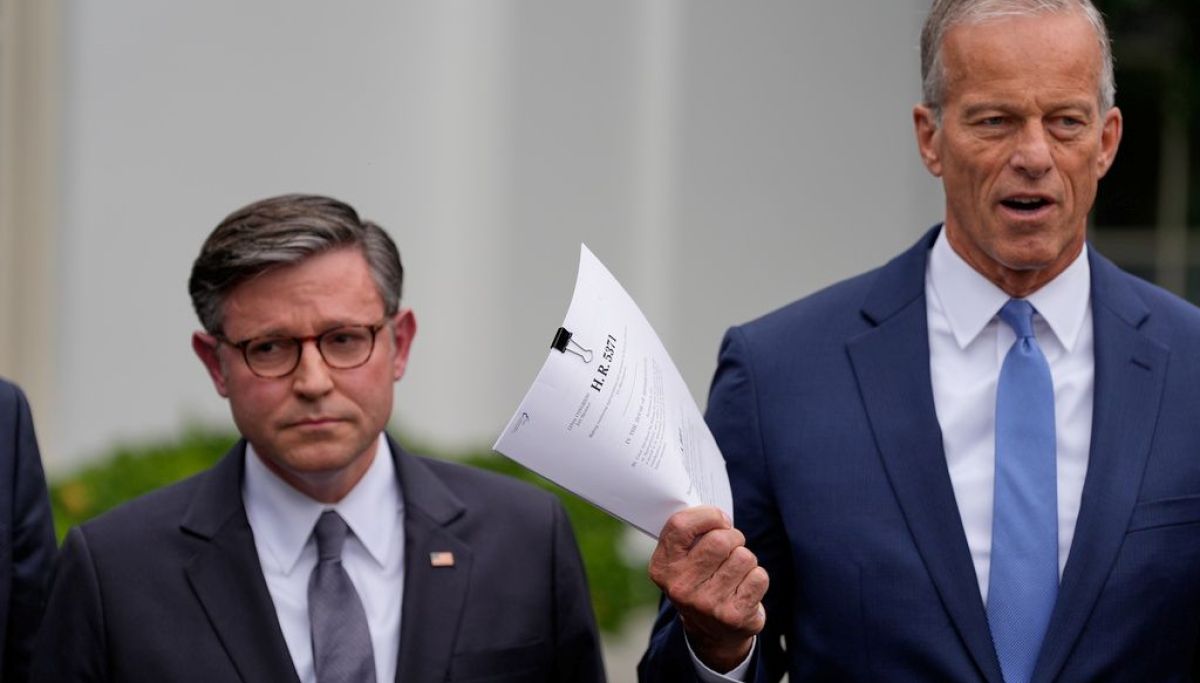
Trump at 32% Approval as Gas Prices Test GOP Midterm Hopes
NYT/Siena polling showed Trump's approval at historic lows around 32 percent with Democrats leading by double digits in key districts. Early voting has surged in battleground states.

Record Early Voting Hits Battlegrounds, Shifting Partisan Shares
AP analysis found hundreds of thousands more early ballots than in 2022 in states including Texas, Ohio, Kansas, Maine, and North Carolina, shifting partisan dynamics.
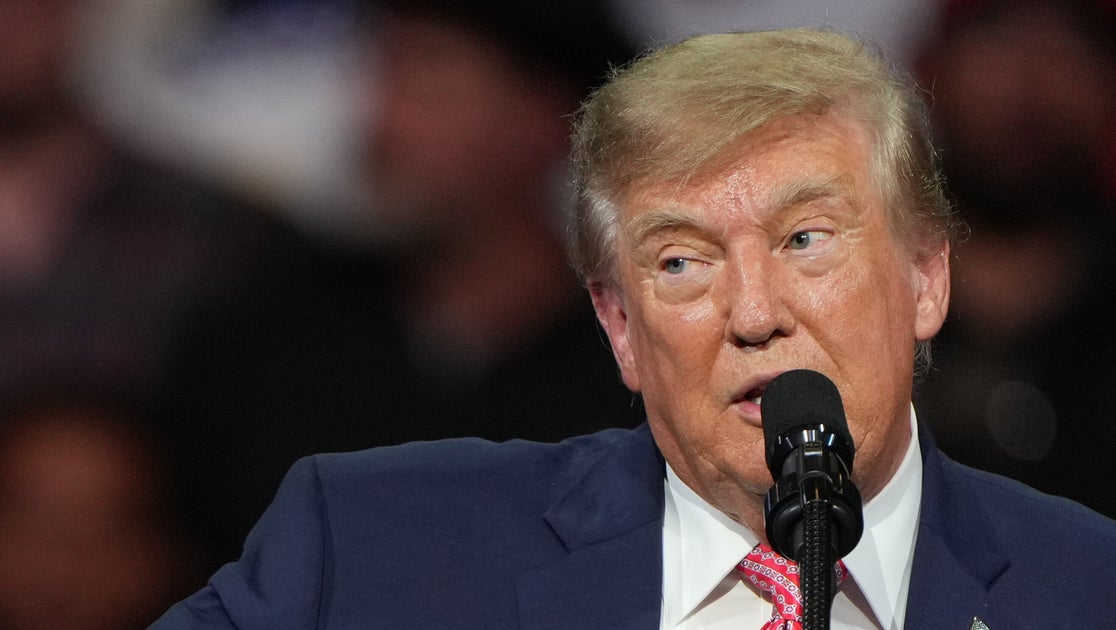
Trump Backs Marshall in Kansas Senate Race Tightened by Farm Costs
President Trump rallied in deep-red Kansas for GOP Sen. Roger Marshall in a competitive race, announcing an $8 billion farm fuel relief program amid high diesel prices. Democrats see an opening to end 94 years of GOP dominance in the state.

Trump Pauses Russia Sanctions Amid Ukraine Tensions and Missile Strikes
Trump waived sanctions on Russia and floated trilateral talks with Putin and Xi as part of ending the Ukraine war, while tensions rose with Zelenskyy over Starlink and arms. Bipartisan senators engaged Zelenskyy amid the shifts.
The Compass
You just read five takes on one story.
What's your take? Find your political shape in a few minutes.
Take the test