
Israel Announces Defamation Suit Against New York Times Over Prison Column

Cover image from dailywire.com, which was analyzed for this article
Israel announced plans to sue the New York Times over a column alleging IDF used dogs to rape Palestinian detainees, calling it a 'hideous' blood libel. Netanyahu highlighted the defamation. Coverage spans accusations of antisemitism.
PoliticalOS
Thursday, May 14, 2026 — Politics
The lawsuit threat underscores the difficulty of adjudicating competing accounts of sexual violence allegations in a conflict zone where both Hamas actions on October 7 and Israeli detention practices face scrutiny. Readers should weigh primary statements from Netanyahu against the column's cited interviews and reports rather than secondary characterizations. Legal outcomes remain uncertain given jurisdictional and evidentiary hurdles.
What outlets missed
Most coverage omitted the precise legal threshold Israel would need to clear under U.S. defamation standards for public figures. Few noted the March 2025 UN Commission of Inquiry report's specific language on sexual violence as a documented element of detainee treatment rather than policy. Outlets also underplayed the Israeli civil commission's parallel findings on October 7 sexual violence released the same week. The role of the Military Advocate General's resignation amid leaks in the Sde Teiman case received little attention outside specialized reporting. Details on whether any graphic claims involved dogs remained unverified across multiple sources and were not corroborated by the primary column text.
Netanyahu Orders Defamation Lawsuit Against New York Times Over Kristof Rape Claims
Israel Prime Minister Benjamin Netanyahu has directed his legal team to pursue a defamation lawsuit against the New York Times and columnist Nicholas Kristof over a recent piece alleging widespread sexual abuse of Palestinian detainees by Israeli forces. The move comes days after Kristof published graphic accusations based on interviews with 14 Palestinians, including claims of beatings, assaults with objects, and even attacks by trained dogs inside Israeli prisons.
Israeli officials described the column as one of the most distorted attacks ever leveled against the country in modern media. Netanyahu called the reporting a blood libel that seeks to equate Israel's soldiers with Hamas terrorists. Foreign Minister Gideon Saar joined in directing the legal action, with the government stating it would not stay silent while such accusations spread without solid proof.
The New York Times piece leaned heavily on anonymous accounts and testimony funneled through activist organizations, some with documented ties to Hamas-linked groups. Kristof presented the stories as part of a pattern involving soldiers, settlers, and prison guards, yet the column provided few verifiable details on dates, locations, or independent confirmation. Critics noted that similar claims have circulated in reports from groups already critical of Israel, often without physical evidence or third-party witnesses.
Israeli authorities have pushed back hard against the narrative. They point to the context of the October 7 Hamas attacks and the surge in Palestinian detainees since then, arguing that the accusations create a false moral equivalence. Netanyahu emphasized in his statement that truth would prevail both in public opinion and in court. The government has previously condemned the reporting as baseless propaganda designed to smear the military.
The New York Times has defended the column as deeply reported opinion journalism, saying the accounts were corroborated where possible with people the alleged victims confided in. Kristof, a longtime Pulitzer winner, has stood by the interviews. Still, the sourcing has drawn scrutiny for relying on groups like Euro-Med Human Rights Monitor, whose founder Israel has accused of Hamas connections.
This legal step marks an escalation in Israel's response to international media coverage of its detention practices. Officials say they will fight the claims aggressively rather than let them stand unchallenged. The case could test how far defamation suits reach across borders when accusations involve national security matters and wartime conduct.
You just read America First's take. Want to read what actually happened?
More in Politics

Trump Defends Ramaswamy Ad Using Estranged Mother in Ohio Race
President Trump defended a GOP nominee's ad featuring a Democratic opponent's estranged mother, calling it powerful, while drawing criticism from some Republicans including Ohio Gov. Mike DeWine. The ad has sparked internal GOP tensions ahead of midterms.
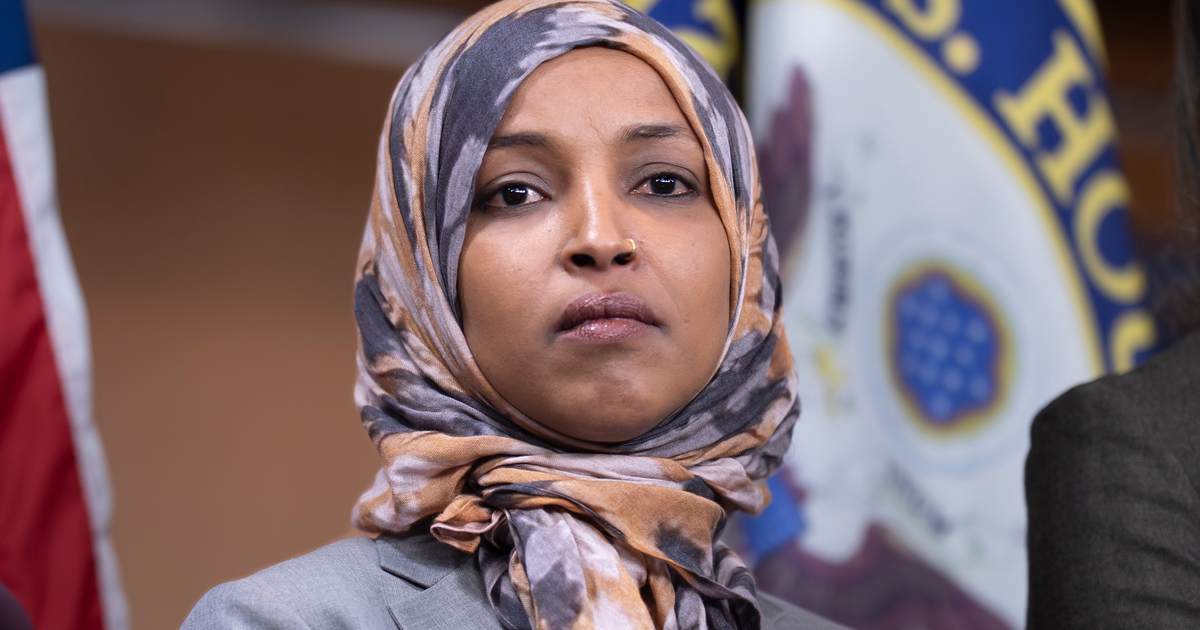
Federal Raid Targets Omar Amid Unresolved Name and Marriage Allegations
Agents searched Rep. Ilhan Omar's DC residence over immigration fraud allegations; she called it bizarre. Reports and commentary questioned her birth name and past marriage details.

Supreme Court Upholds New Hampshire Student ID Voting Ban
The Supreme Court upheld New Hampshire's ban on student IDs as valid voter identification just before midterms, affecting a tight Senate race.
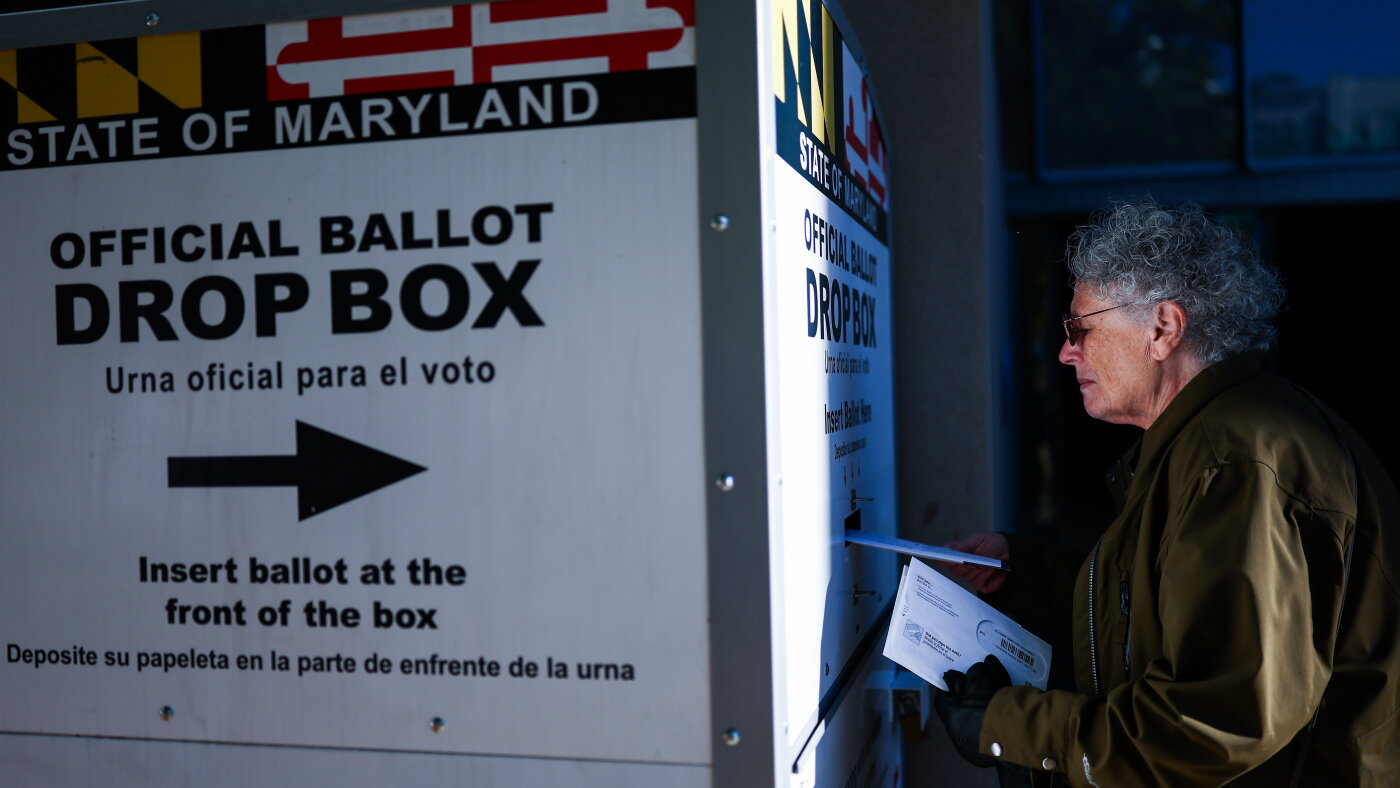
Early Voting Hits 21 Million as Most Trust Midterm Accuracy
Millions have already voted early as parties make final appeals amid $1.4 billion in ad spending; polls show confidence in election accuracy.
The Compass
You just read five takes on one story.
What's your take? Find your political shape in a few minutes.
Take the test