
JD Vance's Loyalty Tested as GOP Questions His Path to 2028
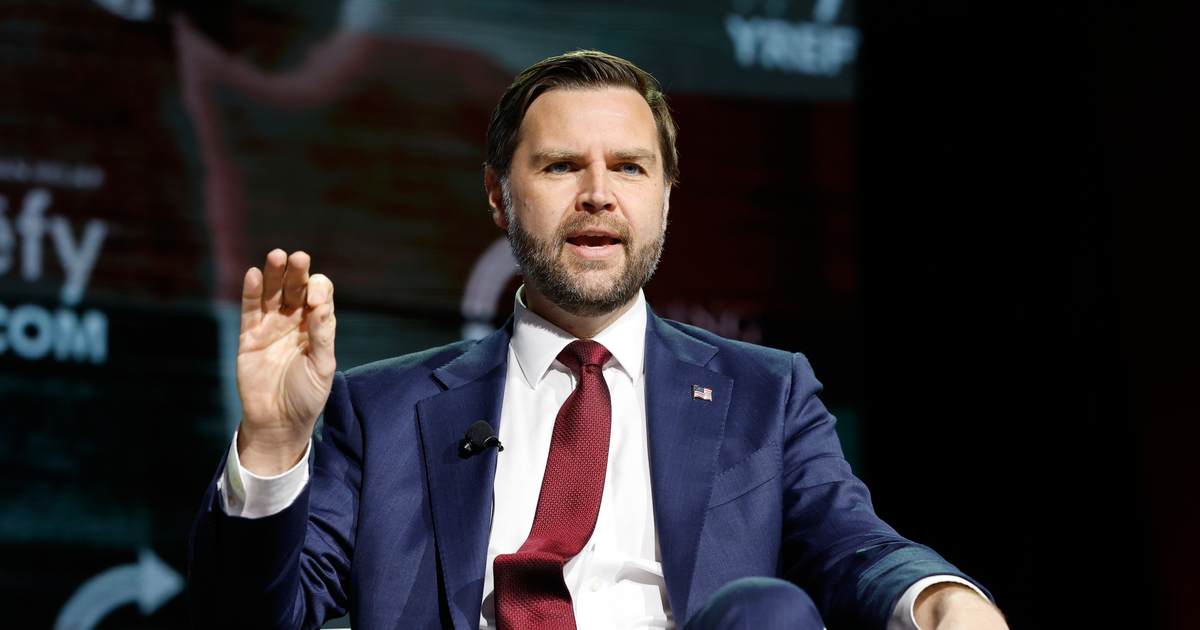
Cover image from townhall.com, which was analyzed for this article
Observers suggest JD Vance must break from Trump soon to rescue his career in a changing GOP landscape. Coverage portrays him as an enigma whose loyalty could determine his viability. Debates reflect broader tensions within Republican ranks.
PoliticalOS
Sunday, April 19, 2026 — Politics
JD Vance's political future depends on balancing demonstrated loyalty to Donald Trump against the need to define his own voice on issues such as Israel policy, religious engagement and foreign interventions. Many dramatic claims about his recent missteps remain unverified across outlets, underscoring the importance of distinguishing opinion from corroborated reporting. In a party still centered on Trump, Vance's adaptability, already evident in his ideological shifts, will likely determine whether he emerges as a unifying 2028 figure or becomes defined by unresolved internal tensions.
What outlets missed
Both analyzed columns leaned heavily on specific anecdotes that could not be independently verified in reporting from PBS, CNN, Forbes or the Times of Israel, including Vance's alleged tarmac comments on Lebanon, his precise role in Islamabad talks, and details of a Turning Point USA event reaction from Ben Shapiro. Coverage across outlets underplayed Vance's documented pro-Israel record, such as his public rejection of claims that Israel exerts undue influence over Trump and his defense of continued aid, as noted in Middle East Monitor and TRT World reporting from late 2025. Multiple pieces omitted granular theological context from Vance's exchange with Pope Leo XIV, in which he referenced truth-telling and historical examples rather than simply telling the Pope to avoid moral commentary on war. The analyses also gave short shrift to corroborated Trump administration outcomes, including early military recruiting successes and reported damage from Iran operations, which supporters argue bolster the case for continuity through Vance.
JD Vance Battles Global Elites While Shielding Trump from Another Term of Washington Sabotage
Vice President JD Vance finds himself in the crosshairs again, this time for doing what loyal deputies do: fighting on behalf of President Donald Trump against adversaries who despise American sovereignty. In the past week Vance has taken incoming fire from Iranian mouthpieces, Hungarian political operators, and even the new occupant of the Vatican. The pattern is unmistakable. While Trump racks up tangible wins for the country he leads, the vice president absorbs the blows that the permanent bureaucracy and its media allies would prefer to land directly on the president.
The contrast could not be starker. Under Trump the stock market continues to set records, tariff revenue is pouring into the Treasury, and the armed services have met their recruiting targets five months ahead of schedule. Iranian military capabilities have suffered what even their own officials quietly admit is significant damage. These are not abstract victories. They are the direct result of a leader who refuses to bow to the same globalist consensus that hollowed out American industry and self-confidence for decades. Yet instead of examining those outcomes, much of the press corps obsesses over Vance’s rhetorical skirmishes.
The latest round began on the tarmac in Hungary, where Vance stopped en route to Pakistan for sensitive discussions with Iranian representatives. When questioned about the fragile Lebanon ceasefire and Tehran’s insistence that regional conflicts remain linked, Vance delivered a blunt assessment consistent with the administration’s view that Iran must not be allowed to dictate terms to American interests. The Iranians, predictably, cried foul. European diplomats tut-tutted. Domestic critics who never accepted Trump’s 2024 victory claimed Vance had stumbled.
Similar noise emerged from Budapest, where local political voices suggested Vance’s presence complicated their own internal debates. And then came the dust-up with Pope Leo, whose public remarks on migration and international obligations landed like a rebuke of the Trump-Vance approach to border security and national priorities. None of these fights were of Vance’s own making. Each flowed directly from his role as the administration’s chief defender on the world stage.
This is the price of proximity to Trump. The former president’s first vice president, Mike Pence, learned that lesson the hard way when he prioritized institutional norms over the clear will of millions of voters in 2020. Trumpworld does not forget disloyalty, but it also rewards those who deliver. Vance has delivered, repeatedly. His transformation from Never Trump skeptic to committed warrior for the movement is well documented. The Ohio senator once warned that Trump could become “America’s Hitler.” That was before he witnessed firsthand how the ruling class weaponized every institution against the populist uprising. Like many working-class voters who shifted toward Trump, Vance recalibrated his views when the evidence demanded it.
Now the question hovering over Washington is whether that loyalty will survive another two and a half years. With Trump’s approval holding steady among the coalition that elected him, speculation about 2028 succession has grown feverish. Some Republican insiders whisper that Vance might choose family tranquility over the brutal arena of another national campaign. Others, including Senator Marco Rubio, have signaled they would step aside if Vance pursues the nomination. The vice president remains the clear heir apparent to the MAGA mantle, yet he carries the burden of association with every controversy, real or manufactured.
Liberal outlets have wasted no time framing Vance’s situation in Shakespearean terms, suggesting he must eventually betray Trump to salvage his own ambitions. They paint the president as unstable and Vance as the potential Brutus to a modern Caesar. This narrative conveniently ignores Trump’s domestic achievements and the fact that the same voices predicted catastrophe after his first term only to watch the country thrive until the 2020 election chaos. It also overlooks Vance’s own political instincts. The man who wrote “Hillbilly Elegy” understands the forgotten Americans who form Trump’s base better than most Ivy League transplants ever could. Those voters prize loyalty and results over the polite approval of the Davos set.
The enigma of JD Vance, as some observers call it, is whether he can thread the needle between unflinching service to the current president and preparation for the future. He is not Donald Trump. No one is. The colorful style, instinctive combativeness, and personal connection that define Trump cannot be replicated. But the policies, the America First framework, and the rejection of endless foreign entanglements can and must continue. Vance’s recent travels and public statements suggest he grasps this. His willingness to endure mockery from Iranian negotiators, European globalists, and even the Vatican indicates he understands the stakes.
Critics will continue painting every Vance misstep as proof the Trump experiment is collapsing. They did the same when Trump imposed tariffs that forced China to the table, when he brokered Middle East deals previous administrations deemed impossible, and when he exposed the intelligence community’s abuses. The pattern holds. While elites clutch pearls over diplomatic etiquette, ordinary Americans see borders being secured, manufacturing reshored, and adversaries checked.
Vance’s poll numbers have taken a hit, that much is undeniable. Association with power always carries risk, especially when the opposition controls most cultural institutions. Yet the deeper truth is that the movement Trump built was never about one man alone. It reflects a fundamental realignment in American politics that prioritizes citizens over corporations, sovereignty over supranational schemes, and tangible results over performative rhetoric. Whether Vance ultimately rises or falls may depend less on his willingness to turn on Trump than on his ability to convince Trump’s voters that he shares their visceral distrust of the ruling regime.
For now he soldiers on, absorbing blows that were intended for the man at the top. That may not make for dramatic headlines about palace intrigue, but it reflects the unglamorous reality of governance in an era when every traditional power center opposes the elected president. The coming months will test Vance’s resilience. They will also test whether the political class learns anything from a public that keeps rewarding the disruptor in chief. So far, the early evidence from markets, recruitment offices, and tariff collections suggests Trump’s formula works. Vance’s challenge is to prove he can defend it without losing himself in the process.
You just read America First's take. Want to read what actually happened?
More in Politics

Trump Defends Ramaswamy Ad Using Estranged Mother in Ohio Race
President Trump defended a GOP nominee's ad featuring a Democratic opponent's estranged mother, calling it powerful, while drawing criticism from some Republicans including Ohio Gov. Mike DeWine. The ad has sparked internal GOP tensions ahead of midterms.
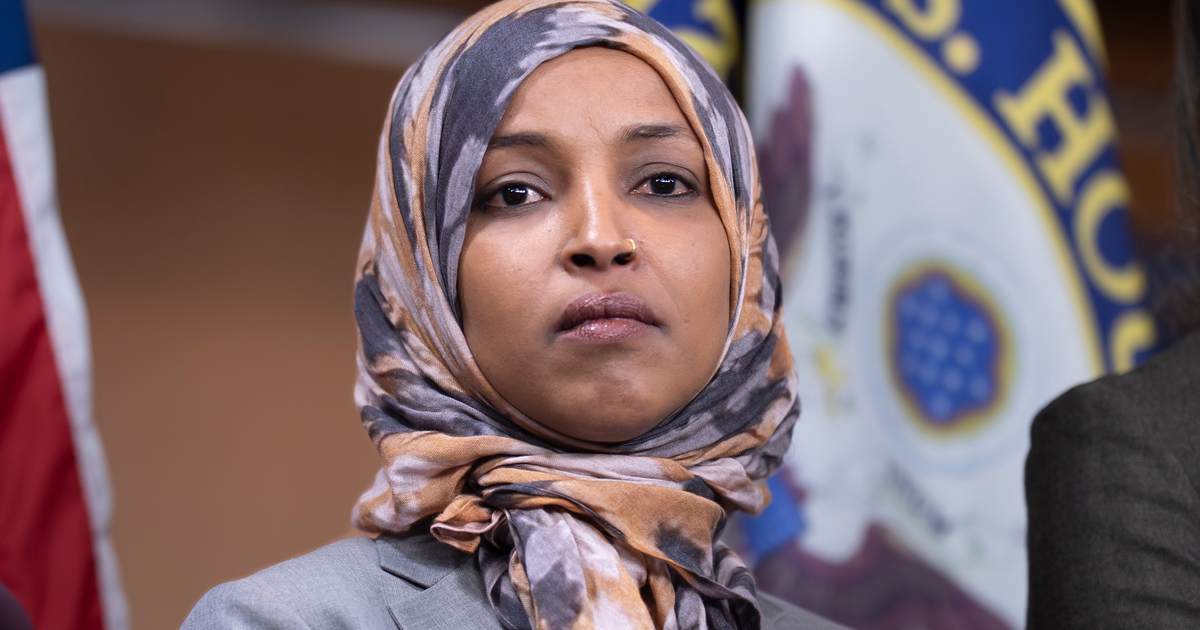
Federal Raid Targets Omar Amid Unresolved Name and Marriage Allegations
Agents searched Rep. Ilhan Omar's DC residence over immigration fraud allegations; she called it bizarre. Reports and commentary questioned her birth name and past marriage details.

Supreme Court Upholds New Hampshire Student ID Voting Ban
The Supreme Court upheld New Hampshire's ban on student IDs as valid voter identification just before midterms, affecting a tight Senate race.
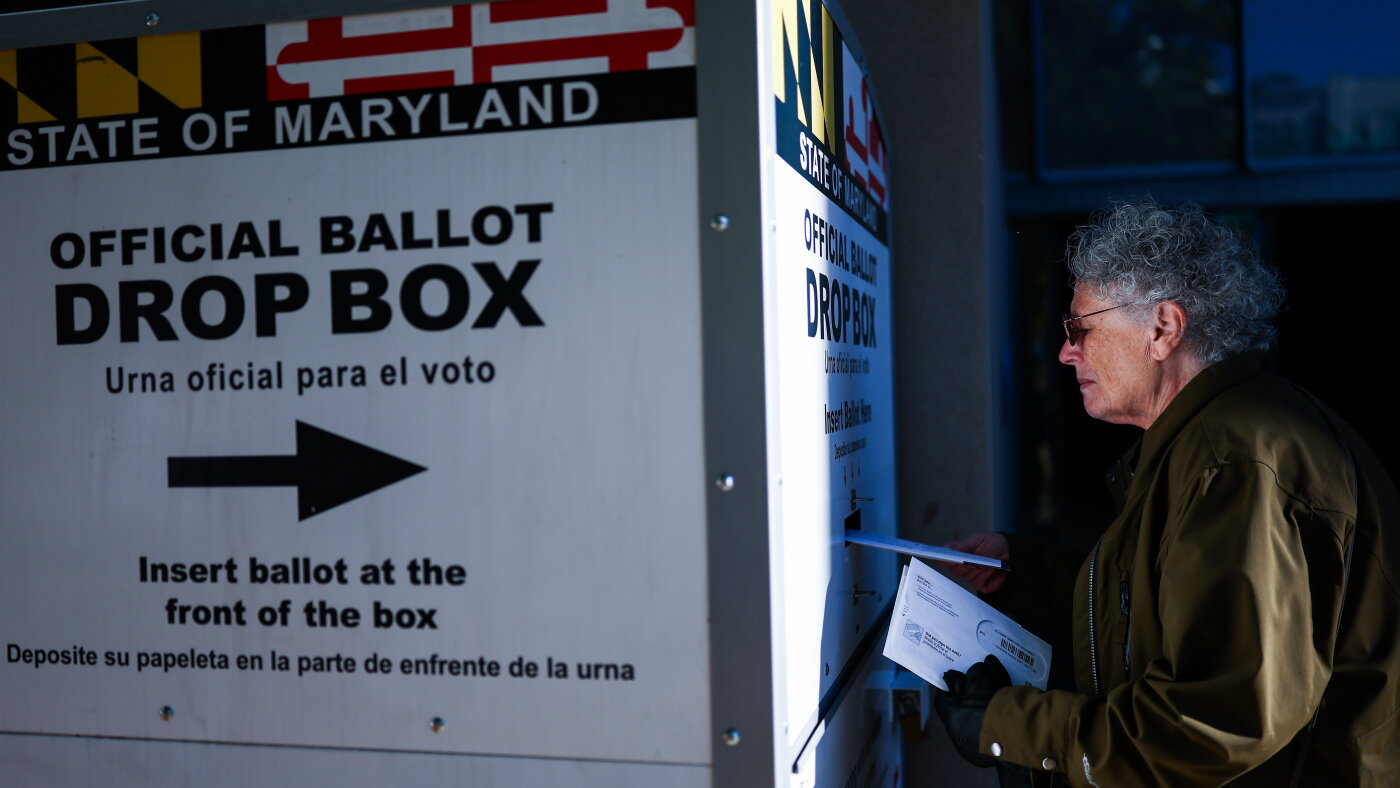
Early Voting Hits 21 Million as Most Trust Midterm Accuracy
Millions have already voted early as parties make final appeals amid $1.4 billion in ad spending; polls show confidence in election accuracy.
The Compass
You just read five takes on one story.
What's your take? Find your political shape in a few minutes.
Take the test