
JD Vance's Loyalty Tested as GOP Questions His Path to 2028
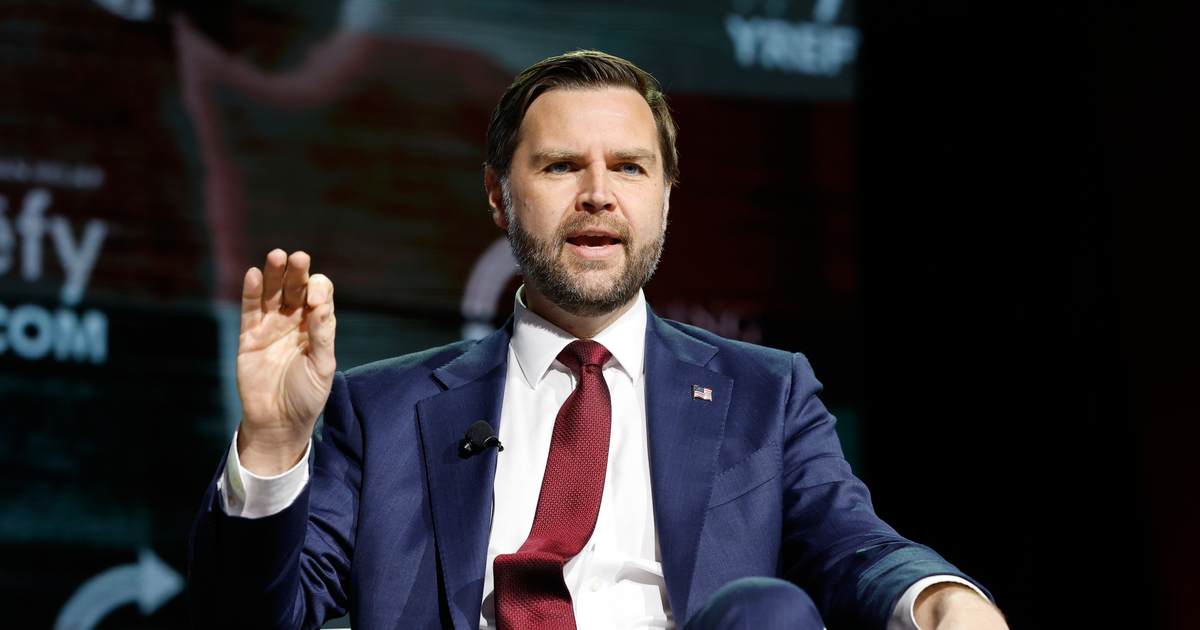
Cover image from townhall.com, which was analyzed for this article
Observers suggest JD Vance must break from Trump soon to rescue his career in a changing GOP landscape. Coverage portrays him as an enigma whose loyalty could determine his viability. Debates reflect broader tensions within Republican ranks.
PoliticalOS
Sunday, April 19, 2026 — Politics
JD Vance's political future depends on balancing demonstrated loyalty to Donald Trump against the need to define his own voice on issues such as Israel policy, religious engagement and foreign interventions. Many dramatic claims about his recent missteps remain unverified across outlets, underscoring the importance of distinguishing opinion from corroborated reporting. In a party still centered on Trump, Vance's adaptability, already evident in his ideological shifts, will likely determine whether he emerges as a unifying 2028 figure or becomes defined by unresolved internal tensions.
What outlets missed
Both analyzed columns leaned heavily on specific anecdotes that could not be independently verified in reporting from PBS, CNN, Forbes or the Times of Israel, including Vance's alleged tarmac comments on Lebanon, his precise role in Islamabad talks, and details of a Turning Point USA event reaction from Ben Shapiro. Coverage across outlets underplayed Vance's documented pro-Israel record, such as his public rejection of claims that Israel exerts undue influence over Trump and his defense of continued aid, as noted in Middle East Monitor and TRT World reporting from late 2025. Multiple pieces omitted granular theological context from Vance's exchange with Pope Leo XIV, in which he referenced truth-telling and historical examples rather than simply telling the Pope to avoid moral commentary on war. The analyses also gave short shrift to corroborated Trump administration outcomes, including early military recruiting successes and reported damage from Iran operations, which supporters argue bolster the case for continuity through Vance.
JD Vance Faces Growing Isolation as Trump Loyalty Tests His 2028 Ambitions
Vice President JD Vance is discovering the steep cost of absolute fidelity to President Donald Trump at a moment when the administration’s foreign missteps and domestic concerns about the president’s fitness are intensifying. In the past week Vance has absorbed successive public rebukes from Iranian diplomats, Hungarian voters, and the new Pope Leo, each episode fought on Trump’s behalf and each ending in evident humiliation. The pattern has accelerated a sharp decline in Vance’s personal approval ratings and cast fresh doubt on his prospects as the putative standard-bearer of the MAGA movement in 2028.
The clashes were not of Vance’s own making. While traveling to Pakistan for indirect talks with Tehran, the vice president stopped in Hungary and delivered remarks on the tarmac that appeared to undermine a fragile Lebanon ceasefire. Iranian negotiators immediately seized on the comments as evidence of bad faith, hardening their position and leaving Vance’s delegation with little leverage. In Budapest, local media and opposition figures mocked the American visitor for echoing Trump’s talking points on migration and NATO burden-sharing, points that have limited resonance in a country already governed by a right-wing populist. Then came the papal audience, in which Vance’s attempt to defend Trump’s immigration policies drew a pointed rebuke from Leo, who used the meeting to emphasize compassion for migrants. The images of a visibly uncomfortable vice president circulated widely, reinforcing perceptions of a deputy forced to absorb blows meant for his superior.
These episodes arrive against a backdrop of sustained polling erosion. Internal Republican surveys and public opinion data show Vance’s favorability dropping into the low forties, a striking reversal from the post-election honeymoon period when he was celebrated as the intellectual anchor of Trumpism. The decline tracks closely with growing public anxiety over Trump’s mental sharpness. Senior officials and lawmakers from both parties have begun to whisper about signs of cognitive decline, ranging from meandering briefings to repeated factual errors in public statements. While the White House dismisses such talk as partisan invention, the speculation has placed Vance in an unenviable position: he is constitutional heir apparent to a presidency whose durability is now openly questioned.
The dilemma is almost Shakespearean. Trump’s record of discarding loyalists is well established. Former Vice President Mike Pence’s refusal to overturn the 2020 election results earned him a presidential suggestion that rioters deserved to hang him. More recently, Attorney General Pam Bondi’s abrupt fall from favor illustrated how quickly a Trump ally can become expendable. Vance, who once described Trump in private conversations as potentially “America’s Hitler,” performed a wholesale ideological reinvention to board the MAGA train. He hardened his stance on immigration, abandoned earlier criticisms of Trump’s character, and positioned himself as the intellectual heir to the movement. That reinvention now risks becoming a liability if Trump’s second term continues its chaotic trajectory.
Yet the vice president’s predicament is not solely about personal survival. It reflects deeper uncertainty inside the Republican coalition about what comes after Trump. Supporters frequently note that nearly 80 million voters in 2024 cast ballots for the man himself rather than for any abstract policy platform. Trump’s supporters point to tangible achievements: a resurgent stock market, early fulfillment of armed services recruiting goals, and substantial tariff revenue that has helped offset budget shortfalls. They also highlight military strikes that inflicted what administration officials describe as “massive damage” on Iranian military infrastructure. In this telling, Trump’s disruptive style and personal charisma produced results that no conventional politician could have matched.
The question now is whether Vance can translate that inheritance into his own political identity. Some Republican strategists quietly suggest he lacks the instinctive connection with working-class voters that Trump cultivated through sheer force of personality. Others note Vance’s background as an Ivy League-educated venture capitalist and bestselling author made him an unlikely champion of rural grievance politics before his conversion. Senator Marco Rubio has publicly stated he would defer to Vance in 2028, clearing one potential rival. But deference is not the same as enthusiasm, and several governors and Senate colleagues are already positioning themselves should Vance stumble.
Vance’s recent itinerary reveals the strain. The Pakistan trip was meant to project diplomatic heft, yet it produced little visible progress on containing Iranian nuclear ambitions or regional proxies. The Hungary stop, intended to shore up relations with a key European partner, instead highlighted transatlantic fissures over Ukraine policy and democratic norms. Even the Vatican meeting, which traditionally offers American vice presidents a chance to burnish their moral credentials, became another forum for Trump-era controversies.
For now Vance continues the role he has perfected: unflinching public defender. In recent television appearances he has dismissed concerns about Trump’s mental acuity as “fake news” and insisted that the administration’s foreign policy is delivering American strength. Privately, however, associates describe a man increasingly aware that the political survival strategy that carried him to the vice presidency may not suffice for the presidency itself. The historical parallels are uncomfortable. Claudius survived Caligula by keeping his head down; Brutus chose a different path. The coming months will test which example Vance intends to follow.
Republican leaders insist the party remains unified behind Trump’s agenda. Yet the vice president’s plunging numbers and the growing chatter about post-Trump succession suggest the unity is more brittle than it appears. As the administration confronts simultaneous crises abroad and questions about presidential capacity at home, Vance’s every public defense of Trump risks further tying his own fortunes to a leader whose grip on power and reality may be loosening. The political price of that loyalty is no longer theoretical. It is being paid in real time, in full public view, and with uncertain prospects for repayment.
You just read Progressive's take. Want to read what actually happened?
More in Politics

Trump Defends Ramaswamy Ad Using Estranged Mother in Ohio Race
President Trump defended a GOP nominee's ad featuring a Democratic opponent's estranged mother, calling it powerful, while drawing criticism from some Republicans including Ohio Gov. Mike DeWine. The ad has sparked internal GOP tensions ahead of midterms.
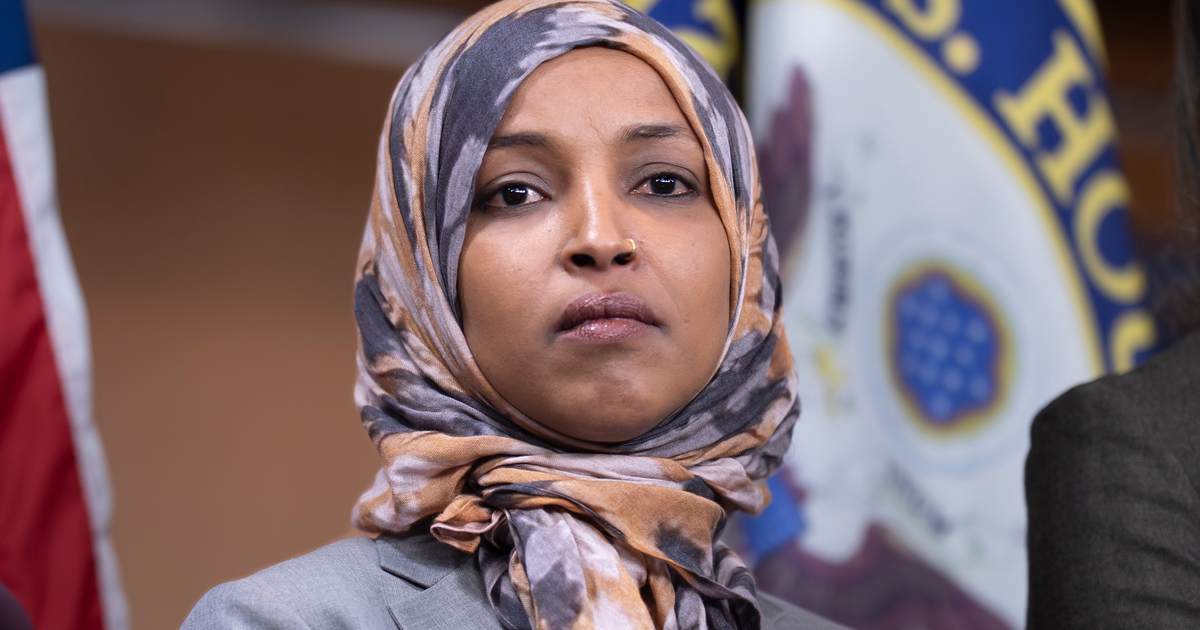
Federal Raid Targets Omar Amid Unresolved Name and Marriage Allegations
Agents searched Rep. Ilhan Omar's DC residence over immigration fraud allegations; she called it bizarre. Reports and commentary questioned her birth name and past marriage details.

Supreme Court Upholds New Hampshire Student ID Voting Ban
The Supreme Court upheld New Hampshire's ban on student IDs as valid voter identification just before midterms, affecting a tight Senate race.
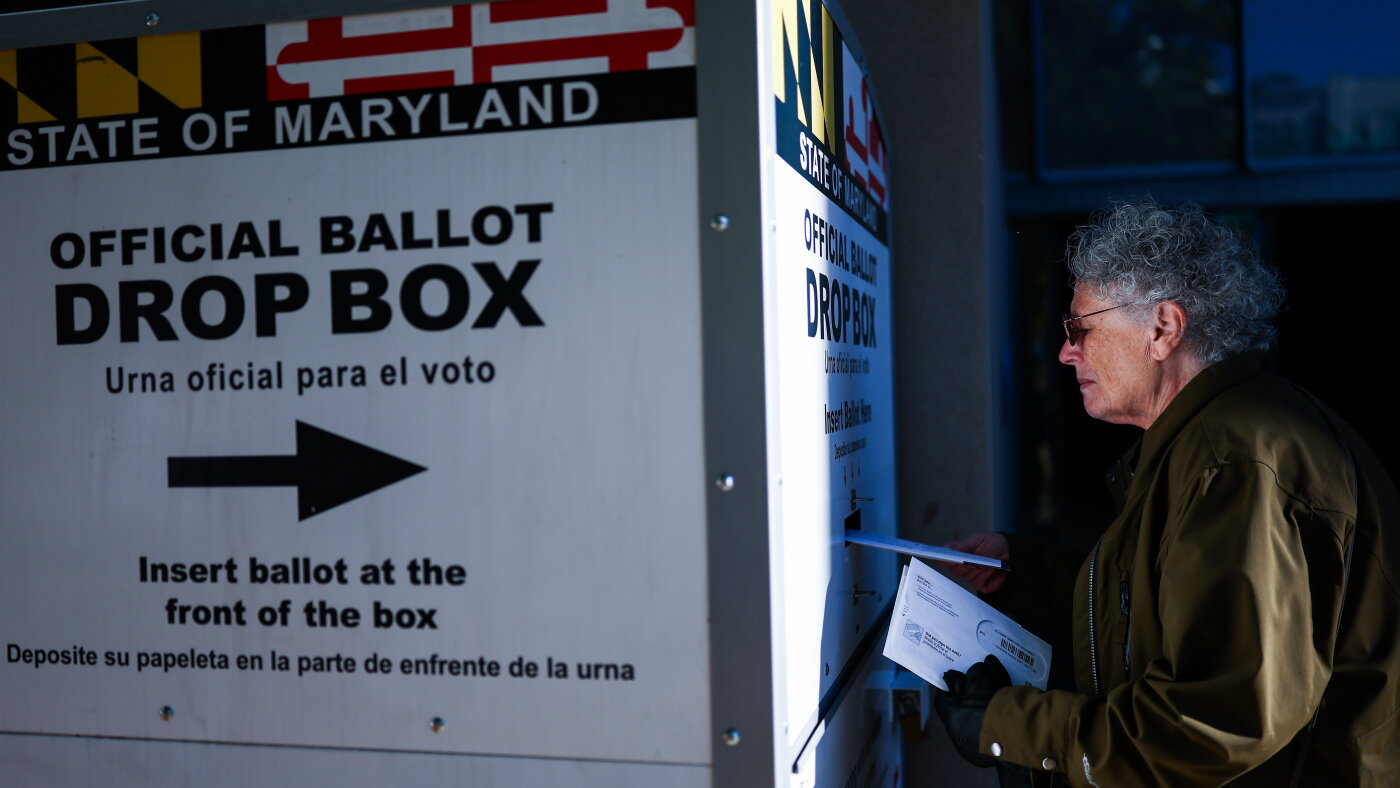
Early Voting Hits 21 Million as Most Trust Midterm Accuracy
Millions have already voted early as parties make final appeals amid $1.4 billion in ad spending; polls show confidence in election accuracy.
The Compass
You just read five takes on one story.
What's your take? Find your political shape in a few minutes.
Take the test