
King Charles Meets Trump as Iran Rift Tests US-UK Ties

Cover image from aljazeera.com, which was analyzed for this article
King Charles proceeds with historic White House meeting with Trump to address US-UK rift over Iran war, first by a monarch in centuries. The trip coincides with shooting aftermath, raising new security worries. Diplomacy mixes with ceremonial pomp.
PoliticalOS
Monday, April 27, 2026 — Politics
The British monarch's visit is a deliberate exercise in symbolic diplomacy meant to stabilize the 'special relationship' at a time when elected leaders disagree sharply over Iran's conflict, energy prices and alliance burdens. While security concerns are real after the recent shooting and British public opinion is split, both governments view cancellation as more damaging than proceeding. The single most important reality is that the king's apolitical role allows quiet bridge-building that policy disputes alone cannot achieve, even if the visit produces no concrete agreements.
What outlets missed
Most accounts underplayed the UK's eventual approval of U.S. use of bases like Diego Garcia for defensive Iran operations after initial legal hurdles, a shift documented by BBC and Reuters that reframes the "sharpest fight in generations" as partially resolved. Coverage also largely omitted detailed U.S. military gains in the conflict, including sharp reductions in Iranian missile launches and degraded proxy forces reported by the New York Times and RAND in early April, which provide context for why tensions may be easing rather than escalating. The Epstein-related pressure on Charles received attention but without noting Buckingham Palace's consistent legal rationale tied to the active criminal investigation of Prince Andrew. Finally, Trump's repeated public statements that the king could directly help "repair" relations were quoted selectively, missing the full extent of his positive framing of Charles as distinct from Starmer.
King Charles Returns to America as Descendant of the King We Rejected 250 Years Ago
King Charles III and Queen Camilla touched down in Washington on Monday for a four-day state visit that no one in either country seems entirely sure how to explain. The trip, timed to coincide with the 250th anniversary of America's declaration of independence from Britain, comes as the so-called special relationship between the two nations looks more strained than it has in decades. President Trump is hosting the monarch even as his administration trades public insults with British Prime Minister Keir Starmer over the ongoing war with Iran.
Buckingham Palace confirmed Sunday that the visit would proceed as planned despite a shooting at the White House Correspondents' Dinner on Saturday night. A gunman rushed a security checkpoint, opened fire on Secret Service agents, and forced the evacuation of Trump, Vice President Vance, and much of the Cabinet. The president and first lady were unharmed. The palace said Charles was relieved to hear everyone escaped injury and that the king and queen were grateful to those working to keep the schedule intact. British officials quietly admitted to modest adjustments to one or two events for security reasons, but the pageantry moves forward.
The itinerary begins with the kind of ceremony that makes republicans wince. Trump and Melania Trump welcomed the royal couple at the White House South Portico. The two couples took private tea in the Green Room before touring the newly expanded White House beehive on the South Lawn. Later in the week Charles is scheduled to address a joint session of Congress, attend a state dinner, and travel to New York to mark the 25th anniversary of the September 11 attacks. The entire production is being sold as a celebration of shared history, economic ties, and cultural bonds. Left unmentioned in the palace press releases is the obvious irony of the great-great-great grandson of George III showing up to help commemorate the colonies' violent rejection of his family's rule.
The political backdrop makes the optics even stranger. Trump has spent recent weeks blasting Starmer for refusing to support American strikes on Iran and for initially blocking U.S. planes from using British bases. The president has called the British leader no Winston Churchill and suggested NATO allies who won't back the operation are useless. A leaked Pentagon memo even floated the possibility of revisiting American support for Britain's claim to the Falkland Islands. Trump has tried to separate the king from his own prime minister, telling reporters that Charles is a friend and has nothing to do with the political fights. The White House clearly hopes the royal glamour can paper over the rift that Starmer and the foreign policy establishment have created.
Security concerns now hover over every stop. Secret Service officials say the model used at the correspondents' dinner worked, but they expect even tighter measures going forward in what they describe as an elevated threat environment. The palace has emphasized its confidence in American protection, with the British ambassador telling reporters that teams on both sides have coordinated nonstop since the shooting.
Some Epstein victims' families have used the visit to renew calls for Charles to meet with survivors. Virginia Giuffre's relatives urged the king to sit down with those who suffered under the sex trafficking network that ensnared his brother Prince Andrew. Buckingham Palace has not commented on any such meeting. The request serves as an uncomfortable reminder that the monarchy carries baggage that cannot be waved away with ceremonial teas and congressional speeches.
For all the talk of unbreakable bonds, the visit exposes how transactional the relationship between Washington and London has become. Britain wants the prestige of a royal tour on American soil during its own moment of political weakness. The Trump administration appears willing to provide the stage, perhaps calculating that the average American still feels some ancestral warmth for the pomp even if they cannot locate the Falklands on a map or explain why their tax dollars should subsidize European defense while their own border remains wide open.
The king himself stays above the fray, as monarchs are trained to do. He grants no interviews and avoids explicit politics. That discretion is being counted on by both sides to keep the week from descending into further public embarrassment. Whether it succeeds depends less on the ceremonial schedule than on whether Trump and Starmer can stop airing their grievances while the descendant of the man who lost America walks the halls of the White House.
Ordinary citizens in both countries may be forgiven for wondering what any of this has to do with them. The United States long ago decided it did not need a king. Two hundred and fifty years later the pageantry continues, the tensions simmer, and the security perimeter grows tighter around events that were supposed to symbolize friendship but increasingly reveal how fragile that friendship actually is.
You just read America First's take. Want to read what actually happened?
More in Politics
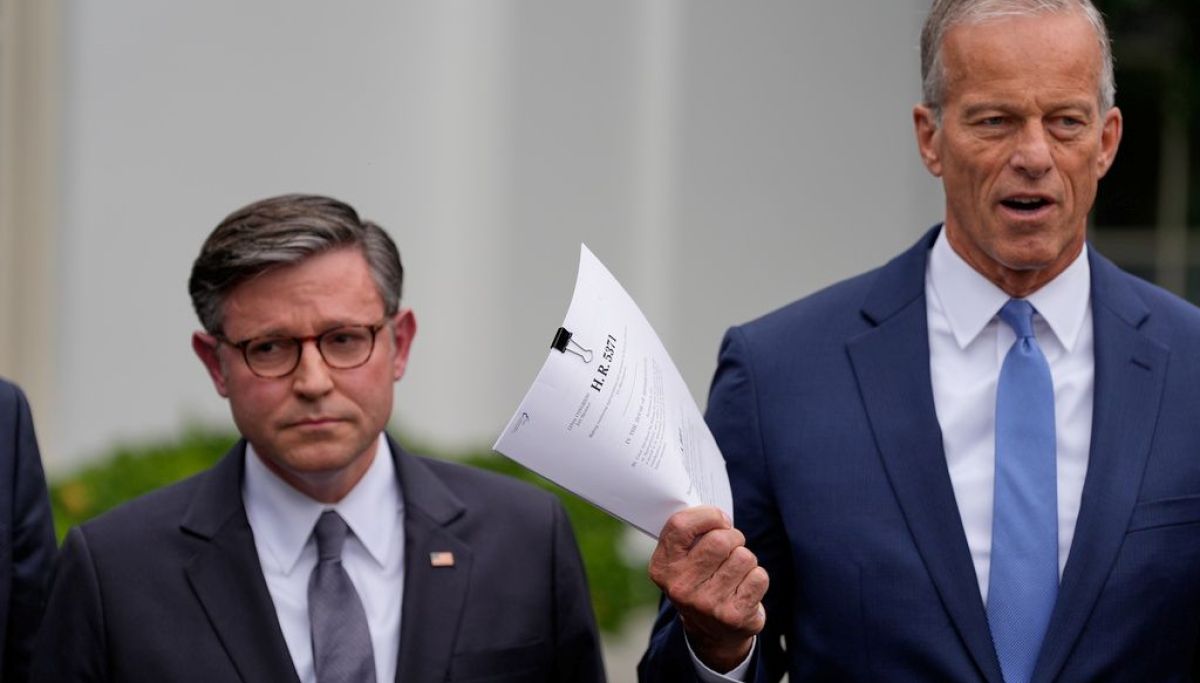
Trump at 32% Approval as Gas Prices Test GOP Midterm Hopes
NYT/Siena polling showed Trump's approval at historic lows around 32 percent with Democrats leading by double digits in key districts. Early voting has surged in battleground states.

Record Early Voting Hits Battlegrounds, Shifting Partisan Shares
AP analysis found hundreds of thousands more early ballots than in 2022 in states including Texas, Ohio, Kansas, Maine, and North Carolina, shifting partisan dynamics.
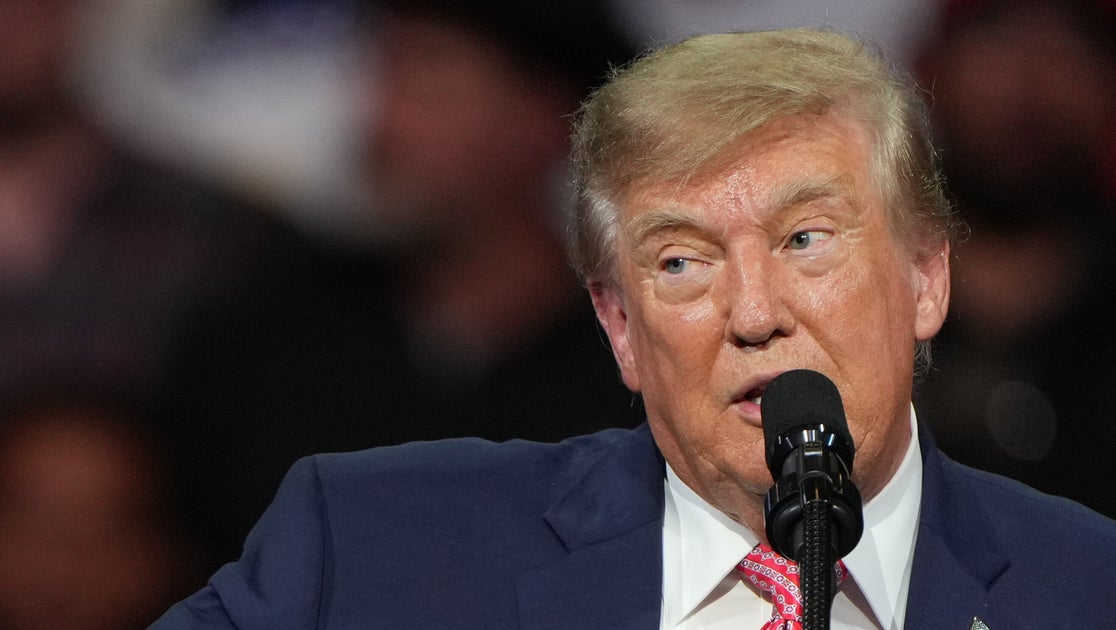
Trump Backs Marshall in Kansas Senate Race Tightened by Farm Costs
President Trump rallied in deep-red Kansas for GOP Sen. Roger Marshall in a competitive race, announcing an $8 billion farm fuel relief program amid high diesel prices. Democrats see an opening to end 94 years of GOP dominance in the state.

Trump Pauses Russia Sanctions Amid Ukraine Tensions and Missile Strikes
Trump waived sanctions on Russia and floated trilateral talks with Putin and Xi as part of ending the Ukraine war, while tensions rose with Zelenskyy over Starlink and arms. Bipartisan senators engaged Zelenskyy amid the shifts.
The Compass
You just read five takes on one story.
What's your take? Find your political shape in a few minutes.
Take the test