
King Charles Meets Trump as Iran Rift Tests US-UK Ties

Cover image from aljazeera.com, which was analyzed for this article
King Charles proceeds with historic White House meeting with Trump to address US-UK rift over Iran war, first by a monarch in centuries. The trip coincides with shooting aftermath, raising new security worries. Diplomacy mixes with ceremonial pomp.
PoliticalOS
Monday, April 27, 2026 — Politics
The British monarch's visit is a deliberate exercise in symbolic diplomacy meant to stabilize the 'special relationship' at a time when elected leaders disagree sharply over Iran's conflict, energy prices and alliance burdens. While security concerns are real after the recent shooting and British public opinion is split, both governments view cancellation as more damaging than proceeding. The single most important reality is that the king's apolitical role allows quiet bridge-building that policy disputes alone cannot achieve, even if the visit produces no concrete agreements.
What outlets missed
Most accounts underplayed the UK's eventual approval of U.S. use of bases like Diego Garcia for defensive Iran operations after initial legal hurdles, a shift documented by BBC and Reuters that reframes the "sharpest fight in generations" as partially resolved. Coverage also largely omitted detailed U.S. military gains in the conflict, including sharp reductions in Iranian missile launches and degraded proxy forces reported by the New York Times and RAND in early April, which provide context for why tensions may be easing rather than escalating. The Epstein-related pressure on Charles received attention but without noting Buckingham Palace's consistent legal rationale tied to the active criminal investigation of Prince Andrew. Finally, Trump's repeated public statements that the king could directly help "repair" relations were quoted selectively, missing the full extent of his positive framing of Charles as distinct from Starmer.
King Charles Arrives in Washington as Strains Test the Foundations of the US-UK Partnership
King Charles III and Queen Camilla touched down in the United States on Monday for a four-day state visit that was always intended to be symbolic but now carries unusual weight. The trip coincides with the 250th anniversary of the Declaration of Independence, the document that severed the American colonies from British rule under Charles’s ancestor King George III. Yet the pomp and ceremony planned for this week must now navigate a transatlantic relationship under genuine stress, heightened security concerns after an armed incident at the White House Correspondents’ Dinner, and a president who has spent recent weeks publicly scorning America’s closest European allies.
Buckingham Palace confirmed late Sunday that the visit would proceed as planned after a rapid security review. The palace said the King and Queen were “most grateful to all those who have worked at pace to ensure this remains the case.” The statement followed Saturday night’s chaos at the Washington Hilton, where a gunman rushed a security checkpoint and opened fire on Secret Service agents as President Donald Trump, Vice President JD Vance and much of the Cabinet sat inside for the annual dinner. Trump and senior officials were evacuated; the injured agent is expected to recover. Secret Service officials described the protective model as effective but signaled that future events, including royal engagements, would see visible enhancements.
The timing is awkward by design. The visit was scheduled long before the current rupture over Iran. Trump has launched military action against Tehran and grown increasingly frustrated with European reluctance to join. British Prime Minister Keir Starmer has resisted entanglement, prompting Trump to dismiss him as “not Winston Churchill” and to question broader NATO commitments. A leaked Pentagon email even raised the possibility of revisiting U.S. support for British sovereignty over the Falkland Islands, a throwback dispute that seemed consigned to history. Trump has tried to separate the monarch from his elected government, telling reporters he considers Charles a personal friend and that the visit has “nothing to do” with the political friction. Yet the optics remain: a descendant of the monarch America rejected is arriving to celebrate ties at the exact moment those ties are being tested in ways not seen in generations.
The itinerary blends the ceremonial with the commemorative. On Monday, Trump and first lady Melania Trump welcomed the royal couple at the White House’s South Portico for private tea in the Green Room, followed by a tour of the newly expanded beehive on the South Lawn. Tuesday takes the King and Queen to New York to mark the 25th anniversary of the September 11 attacks. Later in the week Charles will address a joint session of Congress, an honor that underscores the institutional respect still accorded the monarchy even as political relations cool. A state dinner will cap the visit, offering Trump another opportunity to showcase personal rapport with the King.
For the British, the trip represents an attempt to steady the relationship through soft power and historic continuity. Charles, who does not grant interviews or wade explicitly into politics, is viewed by some White House officials as a useful contrast to the more combative tone of elected leaders. British diplomats have emphasized the “breadth of the economic, security and cultural relationship” and the “deep people-to-people connections” that persist beyond any single administration. Yet analysts watching the visit note that symbolic gestures have limits. The special relationship, forged in the crucible of World War II and sustained through the Cold War, was never meant to be purely sentimental. It rested on shared strategic interests, mutual defense commitments and a common understanding of international order.
That understanding appears under pressure. Trump’s willingness to berate NATO partners as “cowards” and “useless” for hesitating over Iran has exposed how transactional his view of alliances has become. For a president who often frames foreign policy through personal chemistry, the King’s visit offers a convenient narrative of enduring friendship. For Britain, the stakes are higher. The United Kingdom finds itself balancing loyalty to Washington with its own security interests and its role inside European institutions it once seemed ready to drift from after Brexit.
Security will dominate the practical side of the week. UK Ambassador to the United States Christian Turner told reporters that officials on both sides had been in continuous contact since the shooting and that he remained confident in arrangements for the royal couple. Modest adjustments to a handful of events were expected, but the core schedule holds. The palace described the King as “greatly relieved” that no one was seriously harmed in the Saturday attack.
The visit arrives at a moment when both nations are reflecting on their origins. America’s 250th anniversary celebrations will inevitably highlight themes of independence, self-government and wariness of concentrated power, themes that sit oddly beside the presence of a hereditary monarch. Yet the United Kingdom and the United States have spent the better part of two centuries turning former enmity into the most productive partnership in modern history. Whether that partnership can withstand the centrifugal forces of the current moment, or whether it will be redefined into something narrower and more conditional, is the real subject hovering beneath the pageantry.
Charles has spent much of his public life speaking about continuity, stewardship and the long view. This week he will embody that perspective in person, walking the lawns of a White House expanded since his mother’s last visits, addressing legislators whose predecessors once declared independence from his family, and standing beside a president whose approach to the world often seems impatient with the very idea of institutional memory. The ceremony is real. The underlying questions about whether shared history can still generate shared purpose are more serious still.
You just read Liberal's take. Want to read what actually happened?
More in Politics

Trump Defends Ramaswamy Ad Using Estranged Mother in Ohio Race
President Trump defended a GOP nominee's ad featuring a Democratic opponent's estranged mother, calling it powerful, while drawing criticism from some Republicans including Ohio Gov. Mike DeWine. The ad has sparked internal GOP tensions ahead of midterms.
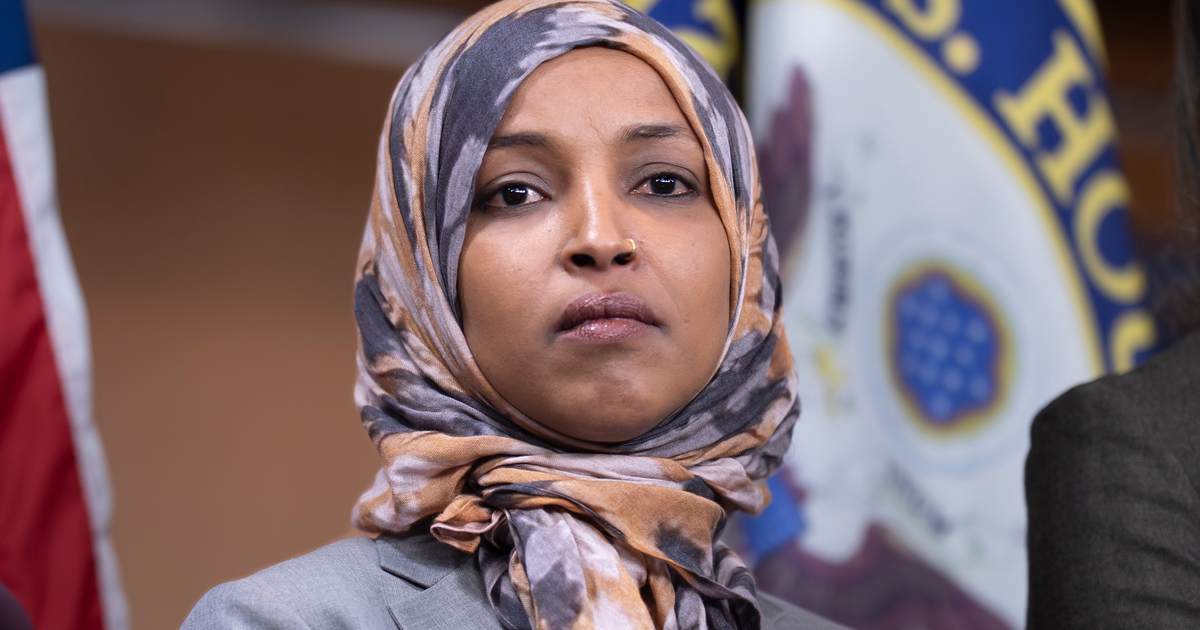
Federal Raid Targets Omar Amid Unresolved Name and Marriage Allegations
Agents searched Rep. Ilhan Omar's DC residence over immigration fraud allegations; she called it bizarre. Reports and commentary questioned her birth name and past marriage details.

Supreme Court Upholds New Hampshire Student ID Voting Ban
The Supreme Court upheld New Hampshire's ban on student IDs as valid voter identification just before midterms, affecting a tight Senate race.
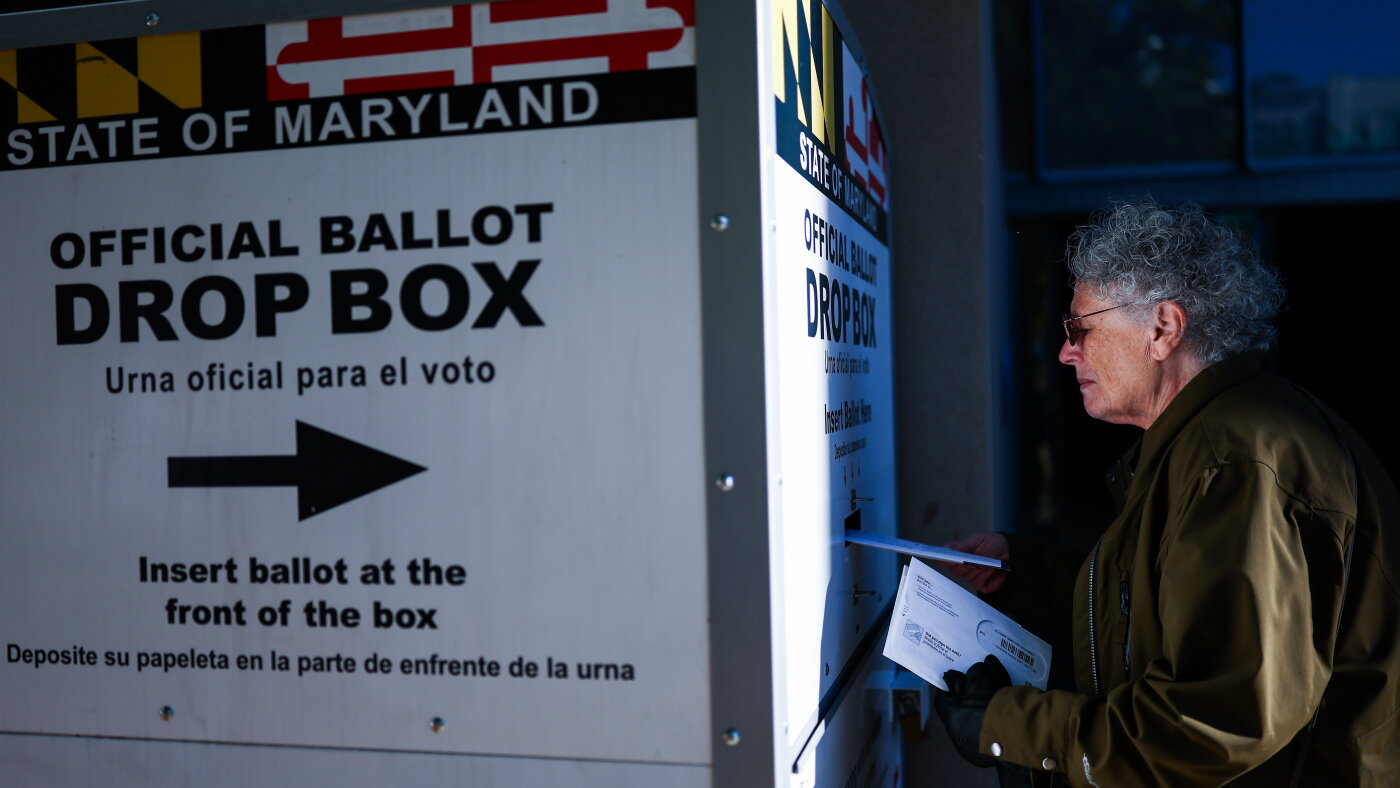
Early Voting Hits 21 Million as Most Trust Midterm Accuracy
Millions have already voted early as parties make final appeals amid $1.4 billion in ad spending; polls show confidence in election accuracy.
The Compass
You just read five takes on one story.
What's your take? Find your political shape in a few minutes.
Take the test