
Raman Narrows Gap on Pratt in LA Mayor Primary Amid Trump Claims

Cover image from independent.co.uk, which was analyzed for this article
Progressive challenger Nithya Raman gained ground on Trump-backed Spencer Pratt in the Los Angeles mayoral primary. Trump called the contest crooked as results shifted.
PoliticalOS
Monday, June 8, 2026 — Politics
The race for second place in the Los Angeles mayoral primary remains too close to call with mail ballots still arriving. Trump's fraud claims lack supporting evidence according to all reporting, while state officials continue standard monitoring of the count. The outcome will decide whether a Republican advances to face Bass in November.
What outlets missed
The Independent supplied the most precise vote percentages and the July 6 counting deadline cited by Pratt. Today.com's video headline presented Raman's lead as settled despite the 0.4-point gap and lack of projection from other outlets. The Washington Post article addressed the governor primary exclusively and omitted any mention of the mayoral contest or Trump's specific statements about Los Angeles. No outlet provided independent verification of remaining mail-ballot partisan breakdown or historical trends in late-count shifts for this specific primary.
California Primary Narrows Choices for Governor Amid Persistent State Woes
California voters selected candidates in the gubernatorial primary on Tuesday, with results pointing to a likely November matchup between two Democrats despite the presence of Republican Steve Hilton in the field. The open primary system advanced the top two finishers regardless of party affiliation, continuing a pattern that has limited conservative options in the general election for the nation's most populous state.
Early returns showed former U.S. Health Secretary Xavier Becerra and billionaire environmental activist Tom Steyer holding the lead among Democrats, while Hilton trailed in the crowded contest to succeed term-limited Gov. Gavin Newsom. Polling before the vote had narrowed the race to these three, reflecting voter fatigue with a field lacking major national figures. The outcome leaves California Democrats positioned to maintain their long hold on the governorship, even as the state grapples with measurable declines in key quality-of-life indicators.
State data from recent years documents sharp rises in homelessness, with street encampments expanding in major cities under policies that prioritized housing-first approaches over enforcement of public order. Housing affordability has worsened, with median home prices far outpacing wage growth and regulatory barriers limiting new construction. Wildfire risks and water shortages persist, tied in part to environmental rules that have constrained development and resource management without delivering proportional improvements in outcomes.
Hilton, a former Fox News host, campaigned on critiques of these trends, arguing that expanded government programs have produced dependency rather than solutions. Becerra and Steyer emphasized continuity with Newsom-era priorities, including climate initiatives and expanded social services. Steyer's self-funded effort highlighted his background in hedge funds and activism, while Becerra drew on his experience as state attorney general.
Separate results from the Los Angeles mayoral primary illustrated similar dynamics. Incumbent Mayor Karen Bass and challenger Nithya Raman, both Democrats, appeared headed for a runoff, with Republican Spencer Pratt falling to third place after nearly a week of vote counting. President Donald Trump posted claims on social media that the process disadvantaged Republican candidates, though no specific evidence accompanied the statements. The open primary format again produced an all-Democratic final pairing in a city facing parallel challenges with street disorder and fiscal pressures.
California has operated under unified Democratic control of state government for more than a decade. Economic analyses from that period show the state leading the nation in poverty rates when adjusted for cost of living, alongside net domestic out-migration exceeding 300,000 residents annually in recent tallies. These patterns align with broader observations that concentrated political power tends to insulate policymakers from accountability for results on the ground.
Voters retained ballots longer than usual this cycle, potentially shifting final tallies as counts continue over coming days. The process underscores how institutional rules shape electoral competition more than candidate messaging alone in one-party environments.
You just read Conservative's take. Want to read what actually happened?
More in Politics

Trump Defends Ramaswamy Ad Using Estranged Mother in Ohio Race
President Trump defended a GOP nominee's ad featuring a Democratic opponent's estranged mother, calling it powerful, while drawing criticism from some Republicans including Ohio Gov. Mike DeWine. The ad has sparked internal GOP tensions ahead of midterms.
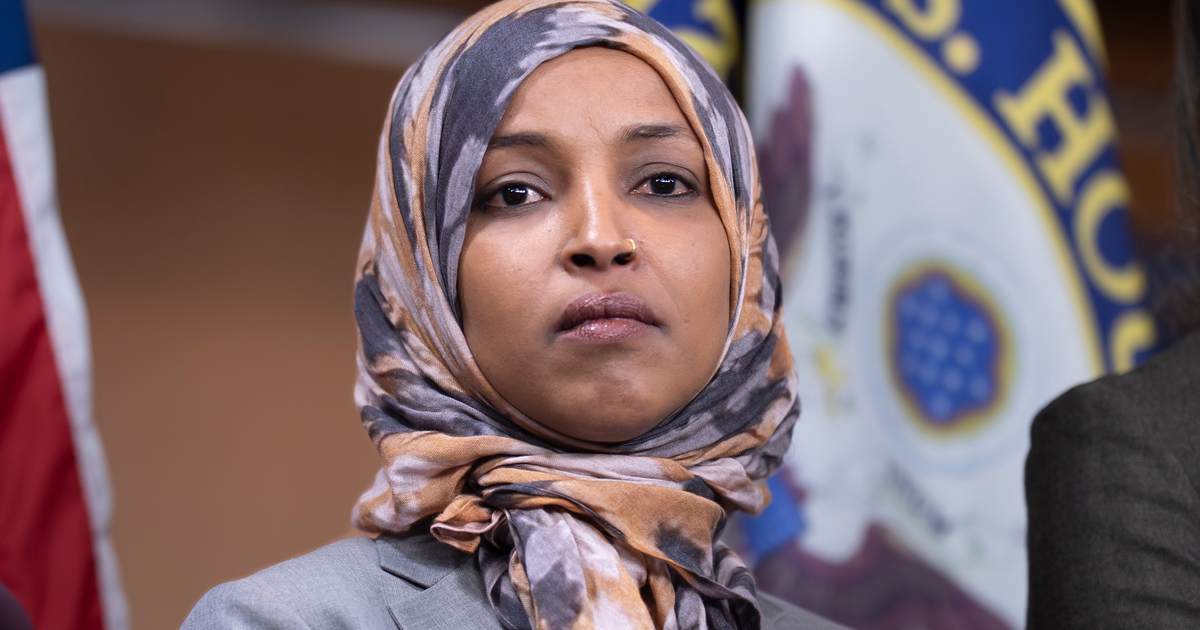
Federal Raid Targets Omar Amid Unresolved Name and Marriage Allegations
Agents searched Rep. Ilhan Omar's DC residence over immigration fraud allegations; she called it bizarre. Reports and commentary questioned her birth name and past marriage details.

Supreme Court Upholds New Hampshire Student ID Voting Ban
The Supreme Court upheld New Hampshire's ban on student IDs as valid voter identification just before midterms, affecting a tight Senate race.
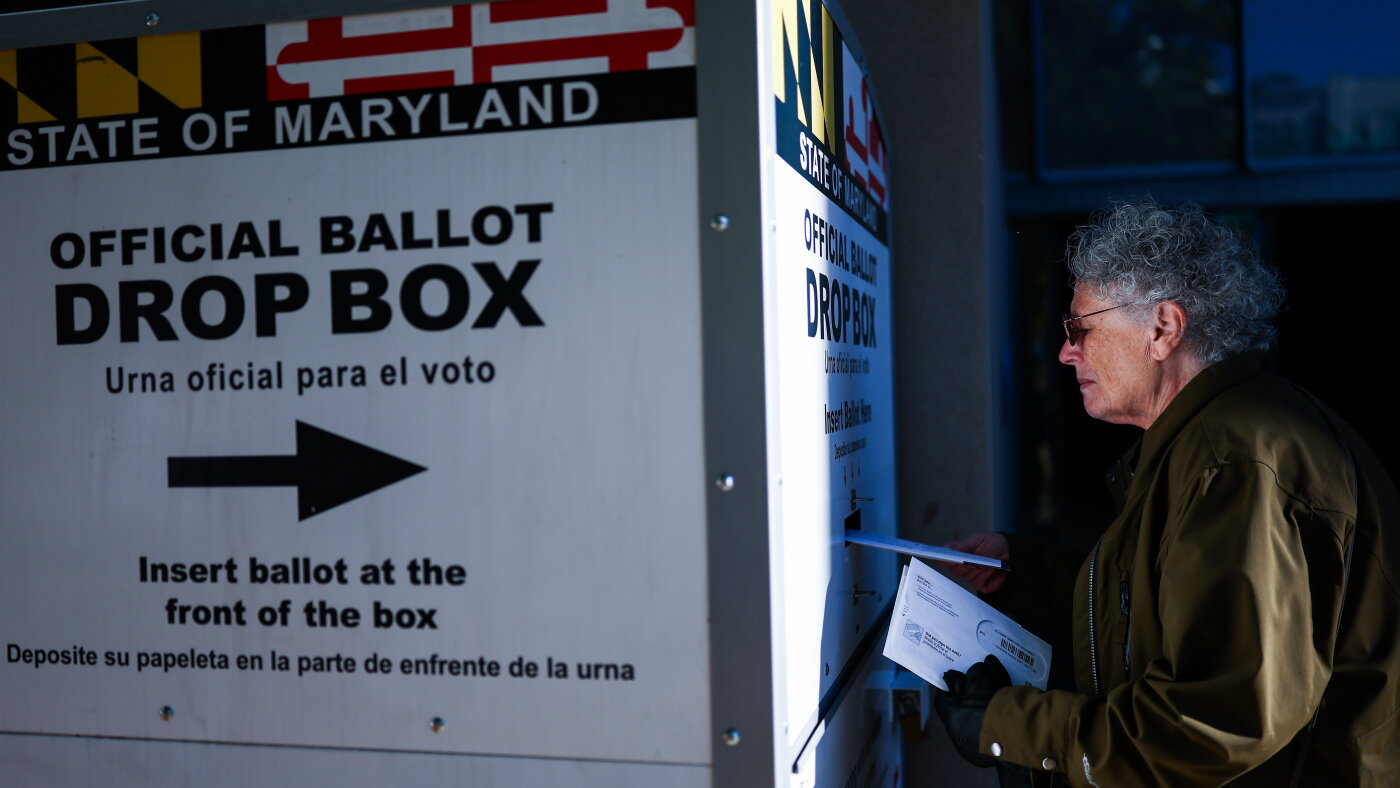
Early Voting Hits 21 Million as Most Trust Midterm Accuracy
Millions have already voted early as parties make final appeals amid $1.4 billion in ad spending; polls show confidence in election accuracy.
The Compass
You just read five takes on one story.
What's your take? Find your political shape in a few minutes.
Take the test