
Raman Narrows Gap on Pratt in LA Mayor Primary Amid Trump Claims

Cover image from independent.co.uk, which was analyzed for this article
Progressive challenger Nithya Raman gained ground on Trump-backed Spencer Pratt in the Los Angeles mayoral primary. Trump called the contest crooked as results shifted.
PoliticalOS
Monday, June 8, 2026 — Politics
The race for second place in the Los Angeles mayoral primary remains too close to call with mail ballots still arriving. Trump's fraud claims lack supporting evidence according to all reporting, while state officials continue standard monitoring of the count. The outcome will decide whether a Republican advances to face Bass in November.
What outlets missed
The Independent supplied the most precise vote percentages and the July 6 counting deadline cited by Pratt. Today.com's video headline presented Raman's lead as settled despite the 0.4-point gap and lack of projection from other outlets. The Washington Post article addressed the governor primary exclusively and omitted any mention of the mayoral contest or Trump's specific statements about Los Angeles. No outlet provided independent verification of remaining mail-ballot partisan breakdown or historical trends in late-count shifts for this specific primary.
California Primary System Puts Democrats in Strong Position for Governor and Los Angeles Mayor Races
California voters completed primary voting last week in two high-profile contests that highlight the state's unusual electoral rules and its entrenched Democratic advantages. The top-two primary format, in place since 2012, sent a familiar set of candidates forward in both the race for governor and the Los Angeles mayoral contest, with limited prospects for Republican success in November.
In the governor's race, voters chose among a field that narrowed in recent weeks to three leading contenders. Former U.S. Health Secretary and state Attorney General Xavier Becerra, billionaire climate donor Tom Steyer, and former Fox News host Steve Hilton emerged as the most viable options to replace term-limited Gov. Gavin Newsom. The system requires the two highest vote-getters to advance regardless of party, which in a heavily Democratic state typically produces a November matchup between two Democrats. Early returns showed Becerra and Steyer holding the top positions, consistent with polling conducted before Election Day.
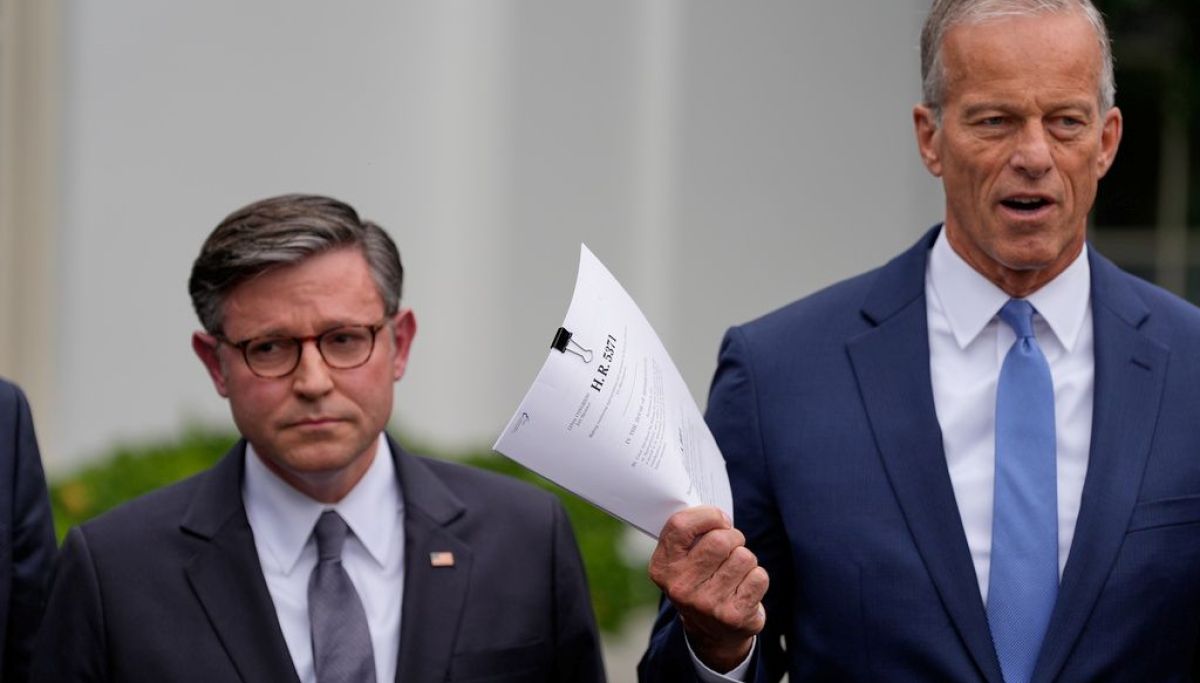
The same rules shaped the Los Angeles mayoral primary. Incumbent Mayor Karen Bass and challenger Nithya Raman, both Democrats, are positioned to advance to the general election. Republican candidate Spencer Pratt, a former reality television personality, trailed in third place with nearly 90 percent of ballots counted. President Trump posted on social media that the contest appeared "crooked" and that Republican candidates were being disadvantaged, though he offered no supporting evidence. Pratt has indicated he intends to continue pressing his campaign until all votes are tallied.
California's primary structure was designed to produce more moderate general-election candidates by forcing contenders to appeal across party lines in the first round. In practice, the system has reinforced Democratic control in statewide and many local offices because the state's voter registration and turnout patterns leave Republicans with little path to one of the top two spots. The governor's race, in particular, drew attention for lacking the celebrity or statewide name recognition that has sometimes defined past contests. A mid-April scandal involving one of the earlier candidates further scrambled the field and delayed clear frontrunner status for any single Democrat.
The winners of both races will confront long-standing state and city problems. Homelessness remains acute in Los Angeles and across California, while housing costs and wildfire risk continue to dominate policy debates at the state level. The next governor will also navigate relations with the Trump administration on issues such as immigration enforcement and federal funding formulas. Los Angeles, meanwhile, must manage its own budget pressures and service delivery challenges under whichever Democrat ultimately prevails in November.
Vote counting in California often extends for days or weeks because many voters return ballots by mail close to the deadline. Officials in both races have emphasized that remaining ballots could shift narrow margins, though the overall partisan pattern has held steady in public updates. The outcome reinforces the structural reality that Democrats enter the general election with clear advantages in California's largest contests, while Republicans must find ways to expand their coalition or rely on turnout anomalies that have proven rare in recent cycles.
You just read Liberal's take. Want to read what actually happened?
More in Politics
Trump at 32% Approval as Gas Prices Test GOP Midterm Hopes
NYT/Siena polling showed Trump's approval at historic lows around 32 percent with Democrats leading by double digits in key districts. Early voting has surged in battleground states.

Record Early Voting Hits Battlegrounds, Shifting Partisan Shares
AP analysis found hundreds of thousands more early ballots than in 2022 in states including Texas, Ohio, Kansas, Maine, and North Carolina, shifting partisan dynamics.
Trump Backs Marshall in Kansas Senate Race Tightened by Farm Costs
President Trump rallied in deep-red Kansas for GOP Sen. Roger Marshall in a competitive race, announcing an $8 billion farm fuel relief program amid high diesel prices. Democrats see an opening to end 94 years of GOP dominance in the state.

Trump Pauses Russia Sanctions Amid Ukraine Tensions and Missile Strikes
Trump waived sanctions on Russia and floated trilateral talks with Putin and Xi as part of ending the Ukraine war, while tensions rose with Zelenskyy over Starlink and arms. Bipartisan senators engaged Zelenskyy amid the shifts.
The Compass
You just read five takes on one story.
What's your take? Find your political shape in a few minutes.
Take the test