
Raman Advances Past Pratt to Face Bass in LA Mayor Runoff

Cover image from theguardian.com, which was analyzed for this article
Progressive Democrat Nithya Raman secured second place to advance to the runoff against Karen Bass, knocking out Trump-backed influencer Spencer Pratt.
PoliticalOS
Tuesday, June 9, 2026 — Politics
Los Angeles will choose in November between an incumbent mayor and a more progressive challenger after voters eliminated the Trump-endorsed outsider. The result turns on whether dissatisfaction with homelessness, fire recovery, and city services produces a shift leftward or simply continuity within the same ideological lane.
What outlets missed
Most coverage omitted that Pratt filed as a nonpartisan candidate on Los Angeles’s officially nonpartisan ballot rather than as a Republican nominee. Few outlets detailed the specific policy contrasts between Raman and Bass on police staffing levels or the location of homeless encampments near schools. The role of late-deciding Democratic voters in the crowded gubernatorial primary, who may have split their mayoral ballots differently, received little examination. No outlet supplied turnout or precinct-level data showing whether Raman’s gains came from the same neighborhoods that supported Bass in 2022.
Nithya Raman Advances to Face Karen Bass in Los Angeles Mayoral Runoff
Nithya Raman, a progressive Los Angeles city council member, has secured second place in the city's mayoral primary and will face incumbent Karen Bass in November. With late mail ballots counted, Raman reached 28.5 percent of the vote compared with 25.8 percent for Spencer Pratt, the Republican reality television personality backed by President Trump. Bass had already advanced on primary night with a clear majority.
The result leaves voters a choice between two Democrats in a city that has long leaned left. Raman, who entered the race late, positioned herself as an advocate for expanded social services, stricter housing regulations and reduced police funding in certain areas. She described the outcome as an opportunity to pursue a healthier and more affordable Los Angeles. Bass, seeking a second term, has emphasized her experience managing the January 2025 wildfires and subsequent recovery efforts while facing criticism over homelessness and public safety.
Pratt's campaign centered on frustration with slow rebuilding after the fires, visible street disorder and city bureaucracy. Trump endorsed him publicly, framing the race as a test of whether Los Angeles would shift direction. Pratt initially led Raman by several points but lost ground steadily as additional ballots were tallied over the past week. His defeat marks another instance in which a high-profile Republican challenge fell short in a major Democratic city.
The contest now turns to the differences between Bass and Raman on concrete policy questions. Bass has maintained a relatively pragmatic stance on policing and development while navigating pressure from both progressives and business groups. Raman has aligned more closely with measures to limit certain enforcement actions and increase tenant protections. How those positions play out against the backdrop of ongoing housing shortages and strained city services will likely define the fall campaign.
Similar patterns have appeared elsewhere. In Chicago, New York and Boston, voters have continued to favor candidates who emphasize progressive approaches to social services and land use even after periods of visible urban strain. Los Angeles presents a comparable test: whether dissatisfaction with visible problems such as encampments and rebuilding delays translates into support for a different governing philosophy or remains contained within the Democratic primary electorate.
Bass's campaign has already signaled that it will contrast her record with Raman's positions on policing and encampment enforcement. Raman, for her part, has framed the runoff as a chance to address affordability and quality-of-life issues more aggressively. With three months until the general election, both candidates will need to show how their approaches would produce measurable improvements in a city still recovering from multiple overlapping crises.
You just read Liberal's take. Want to read what actually happened?
More in Politics
Trump at 32% Approval as Gas Prices Test GOP Midterm Hopes
NYT/Siena polling showed Trump's approval at historic lows around 32 percent with Democrats leading by double digits in key districts. Early voting has surged in battleground states.

Record Early Voting Hits Battlegrounds, Shifting Partisan Shares
AP analysis found hundreds of thousands more early ballots than in 2022 in states including Texas, Ohio, Kansas, Maine, and North Carolina, shifting partisan dynamics.
Trump Backs Marshall in Kansas Senate Race Tightened by Farm Costs
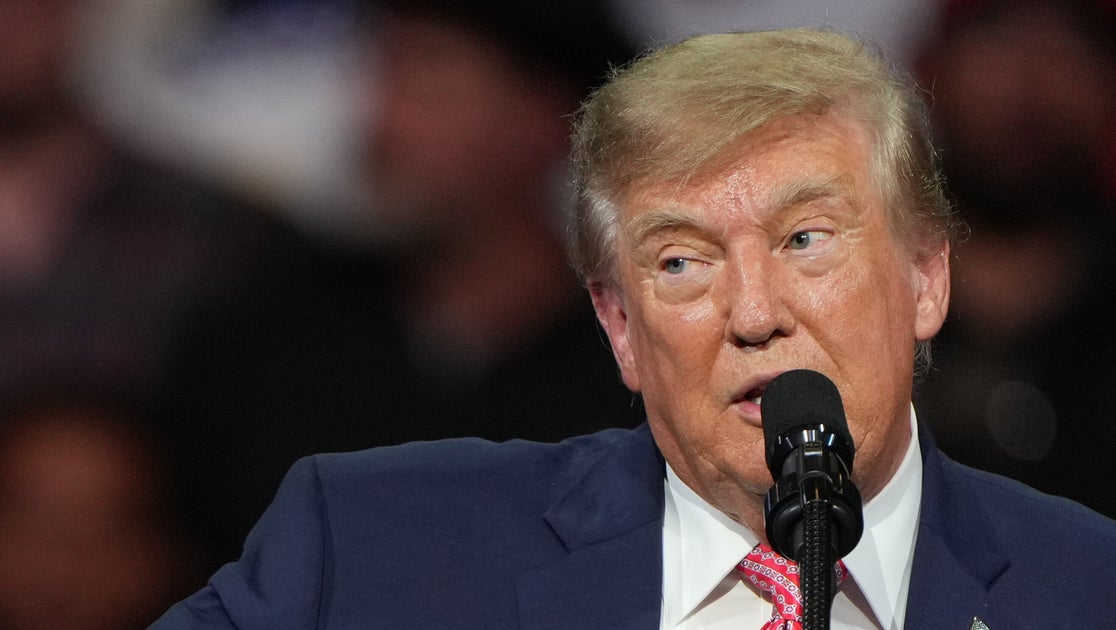
President Trump rallied in deep-red Kansas for GOP Sen. Roger Marshall in a competitive race, announcing an $8 billion farm fuel relief program amid high diesel prices. Democrats see an opening to end 94 years of GOP dominance in the state.

Trump Pauses Russia Sanctions Amid Ukraine Tensions and Missile Strikes
Trump waived sanctions on Russia and floated trilateral talks with Putin and Xi as part of ending the Ukraine war, while tensions rose with Zelenskyy over Starlink and arms. Bipartisan senators engaged Zelenskyy amid the shifts.
The Compass
You just read five takes on one story.
What's your take? Find your political shape in a few minutes.
Take the test