
Leavitt Resigns as Trump Press Secretary, No Replacement Named
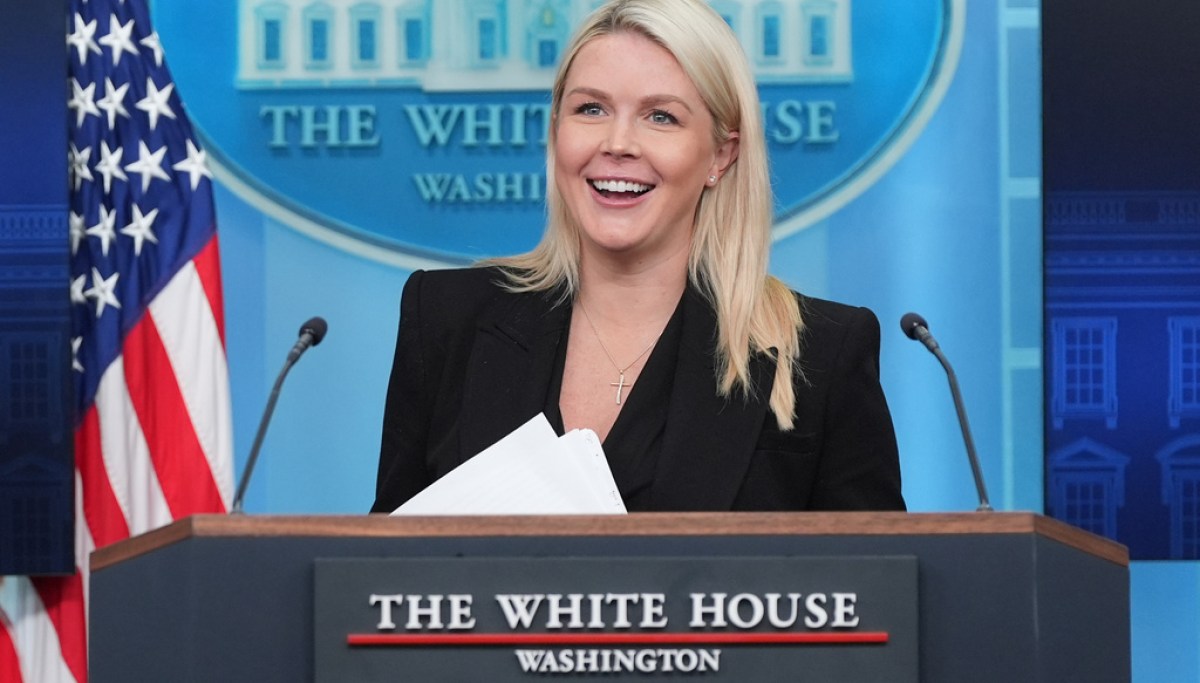
Cover image from washingtonexaminer.com, which was analyzed for this article
Karoline Leavitt's sudden departure has blindsided the White House with no immediate replacement plan. Reports from both sides speculate on the impact and reasons for the exit.
PoliticalOS
Friday, August 14, 2026 — Politics
Leavitt’s departure removes a central communications figure without an immediate successor, leaving senior officials to handle briefings ahead of the midterms. Public statements cite family reasons while anonymous sourcing and opinion pieces raise questions about timing and political context. The unverified elements across reports underscore the need for primary documentation on both the resignation decision and its operational effects.
What outlets missed
The Independent alone reported an anonymous official’s claim that Trump was caught off guard by the timing, a detail absent from other accounts and therefore unverified. No outlet supplied data on the total number of briefings Leavitt conducted or compared her frequency to predecessors. The Guardian’s reference to a Lancet projection of deaths linked to USAID cuts was presented without noting that the study relies on modeled correlations rather than direct attribution of 2025 policy outcomes. Coverage across outlets omitted any primary documentation confirming or rebutting the family timing of the resignation beyond the public statements from Trump and Leavitt.
Karoline Leavitt’s exit as White House press secretary removes the youngest person ever to hold the post at a moment when the administration faces sliding approval ratings and midterm elections three months away. Trump announced the departure on Truth Social, stating Leavitt would leave at the end of August to spend more time with her two young children and would continue as one of his top outside advisors. Leavitt described the choice on X as bittersweet and tied it to the demands of motherhood.
The White House has no immediate plan to appoint a successor, according to an official who spoke to The Independent on condition of anonymity. Briefings will continue with senior officials including Vice President JD Vance, Secretary of State Marco Rubio, and Treasury Secretary Scott Bessent, the same arrangement used during Leavitt’s recent maternity leave. This approach leaves the briefing room without a permanent spokesperson at a time when the administration has faced questions over tariffs, foreign policy, and spending decisions.
Leavitt, 28, had served longer in the role than any Trump press secretary except Sarah Huckabee Sanders. She began as a White House intern in Trump’s first term and maintained a close relationship with the president, a factor cited by former spokesman Sean Spicer in comments to Politico. During her tenure she defended global tariffs as a tax cut for Americans, a claim disputed by economists at George Washington University and the Tax Foundation, which estimated an average $1,000 annual increase per household in 2025. She also justified a freeze on USAID funding by referencing a planned $50 million expenditure on condoms in Gaza, a specific assertion that has not been corroborated in public records or other reporting.
Critics have pointed to combative exchanges, including a text exchange with HuffPost correspondent SV Dáte in which Leavitt responded to a question about a potential Trump-Putin meeting by saying “Your mom did.” Supporters have highlighted her consistent defense of administration positions without major personal controversies. The administration has extended executive privilege protections to outside advisors, a step that could limit future congressional oversight of communications involving Leavitt.
Reactions across the administration have been uniformly positive in public statements, with emphasis on Leavitt’s role in a low-drama team. The absence of a named replacement raises questions about continuity in daily messaging as the White House prepares for potential shifts in congressional control.
More in Politics

Federal Agents Search Omar Home in Ongoing Immigration Probe
Homeland Security agents searched the Minnesota Democrat's DC residence in a criminal probe, prompting accusations of political intimidation from Omar and Democratic leaders. Coverage spans left-leaning outlets like NPR, BBC, and The Guardian alongside right-leaning criticism from The Federalist and Daily Wire.

Trump Diesel Import Plan Draws Pushback Over Russia Ties
The weekend agreement drew bipartisan congressional pushback and criticism from Ukraine's Zelenskyy, with analysts downplaying US fuel price impacts. Right-leaning outlets like National Review, Dispatch, and Washington Examiner questioned its legality and effectiveness.

Independents Test Voter Appetite for Middle Ground in 2026 Midterms
Nearly 200 independents are running in competitive races as voters weigh ballot measures on housing costs in states like Massachusetts. Left-leaning coverage from NYT, NPR, and Guardian highlights turnout and key races while right outlets focus on GOP strategy.
Trump Rallies in Alaska, Ohio to Bolster GOP Senate Candidates
The president rallied in Wasilla for Sen. Dan Sullivan and faced empty seats at an Ohio event amid midterm concerns. Outlets across the spectrum covered the trips as signals of GOP vulnerability weeks before Election Day.
The Compass
You just read five takes on one story.
What's your take? Find your political shape in a few minutes.
Take the test