
Liberal US Mayors Join European Pact to Counter National Governments

Cover image from npr.org, which was analyzed for this article
Ten progressive US mayors including those from Chicago and Cincinnati are teaming up with European leaders to defend democratic values. The effort comes amid domestic concerns over executive power and progressive priorities.
PoliticalOS
Thursday, May 21, 2026 — Politics
The Pact of Free Cities now links ten US liberal mayors with European counterparts to share tactics on local governance disputes with national authorities. Participants cite funding pressures and policy clashes over issues such as DEI programs and public events. Opposing voices argue the effort diverts attention from immediate local challenges like crime and homelessness.
What outlets missed
Coverage did not include specific figures on the amount of federal funding at stake in the cited disputes or measurable outcomes of the DEI policies involved. No data appeared on crime rates or homelessness statistics in the participating US cities. The timeline of Orbán's electoral defeat and the precise vote margins that ended his 16-year tenure received no independent verification from other sources. Reactions from mayors in non-participating US cities or from European national governments were absent.
HHS Stands by Decision to Bring in Vaccine Safety Researcher
The Department of Health and Human Services continues to face questions over its decision to involve longtime vaccine researcher David Geier in agency work. Secretary Robert F. Kennedy Jr. informed the Senate Finance Committee in mid-April that he would provide details on Geier's contract, yet three weeks later no additional information has been released according to staff for Senator Ben Ray Luján.
Geier has spent decades examining potential links between vaccines and developmental disorders, often working alongside his late father Mark Geier. Their studies focused on thimerosal, a mercury-based preservative once common in childhood shots, and raised concerns about its effects on young children. Critics from medical organizations and advocacy groups have dismissed much of this research as flawed and have labeled Geier an anti-vaccine figure. They point to past efforts by the pair to offer alternative approaches for autism that included off-label use of medications like Lupron.
HHS has not confirmed Geier's exact role or whether he holds formal employment or a consulting position. The lack of immediate follow-through on the promised contract details has fueled speculation among opponents that the agency is shielding controversial hires. Supporters of Kennedy's broader push to review vaccine policy see the episode differently. They argue that questioning long-standing assumptions about vaccine ingredients and schedules has been treated as beyond debate for years, with researchers who raise issues often facing professional isolation.
Public records show the Geiers operated through several small institutes and centers focused on chronic conditions and genetic factors. Their published papers drew sharp rebukes from groups such as the American Academy of Pediatrics, which cited errors in methodology and interpretation. At the same time, parents of children with autism have at times sought out their consultations, viewing them as one of the few outlets willing to explore environmental contributors rather than attributing everything to genetics alone.
Kennedy's arrival at HHS has coincided with renewed attention on vaccine oversight, including calls for better data on adverse events and more transparent review processes. Bringing in individuals with long histories of skepticism toward official narratives fits the pattern of challenging entrenched positions inside federal health agencies. The refusal to elaborate quickly on Geier's duties may reflect standard personnel privacy practices, yet it also leaves room for opponents to fill the information gap with alarm.
Autism rates have climbed steadily over recent decades, a trend that coincides with the expansion of the childhood vaccine schedule. While health authorities maintain that vaccines are not responsible, independent researchers continue to probe possible connections to immune or neurological responses in susceptible children. Geier's involvement, whatever its precise scope, underscores an effort to include voices outside the prevailing consensus at a moment when trust in public health institutions remains strained.
Lawmakers on both sides have expressed interest in clearer answers about who is influencing policy at HHS. The delay in releasing contract specifics has simply extended the period of uncertainty. For those who believe federal health policy has been too closely aligned with pharmaceutical interests, the current friction represents a necessary correction rather than a cause for alarm.
You just read America First's take. Want to read what actually happened?
More in Politics

Trump Defends Ramaswamy Ad Using Estranged Mother in Ohio Race
President Trump defended a GOP nominee's ad featuring a Democratic opponent's estranged mother, calling it powerful, while drawing criticism from some Republicans including Ohio Gov. Mike DeWine. The ad has sparked internal GOP tensions ahead of midterms.
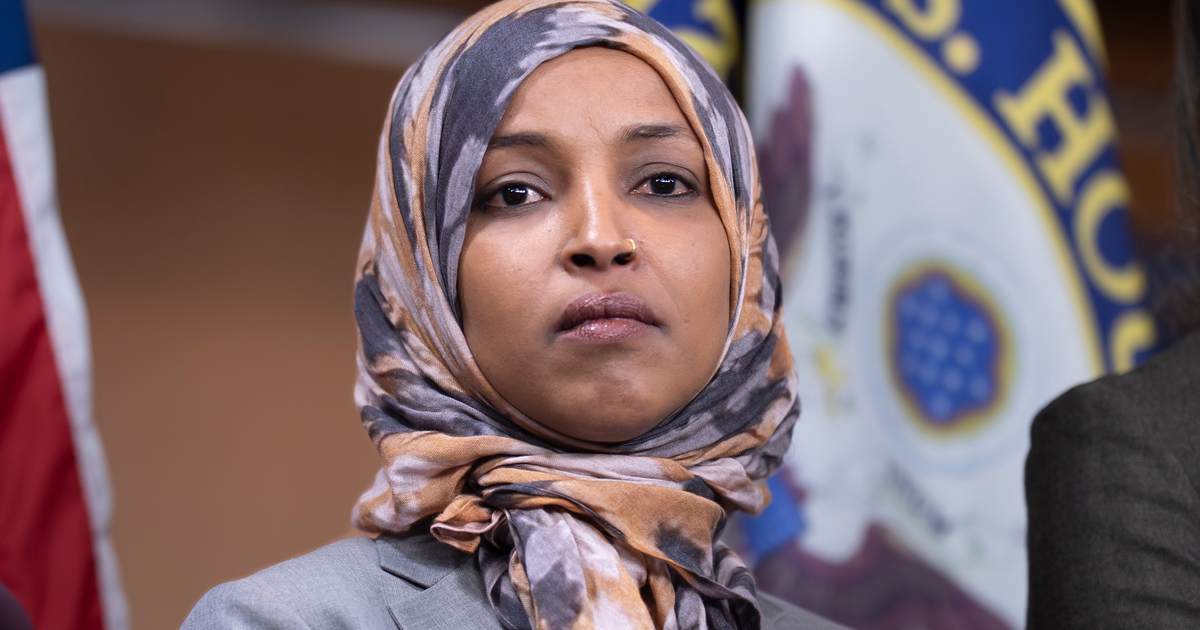
Federal Raid Targets Omar Amid Unresolved Name and Marriage Allegations
Agents searched Rep. Ilhan Omar's DC residence over immigration fraud allegations; she called it bizarre. Reports and commentary questioned her birth name and past marriage details.

Supreme Court Upholds New Hampshire Student ID Voting Ban
The Supreme Court upheld New Hampshire's ban on student IDs as valid voter identification just before midterms, affecting a tight Senate race.
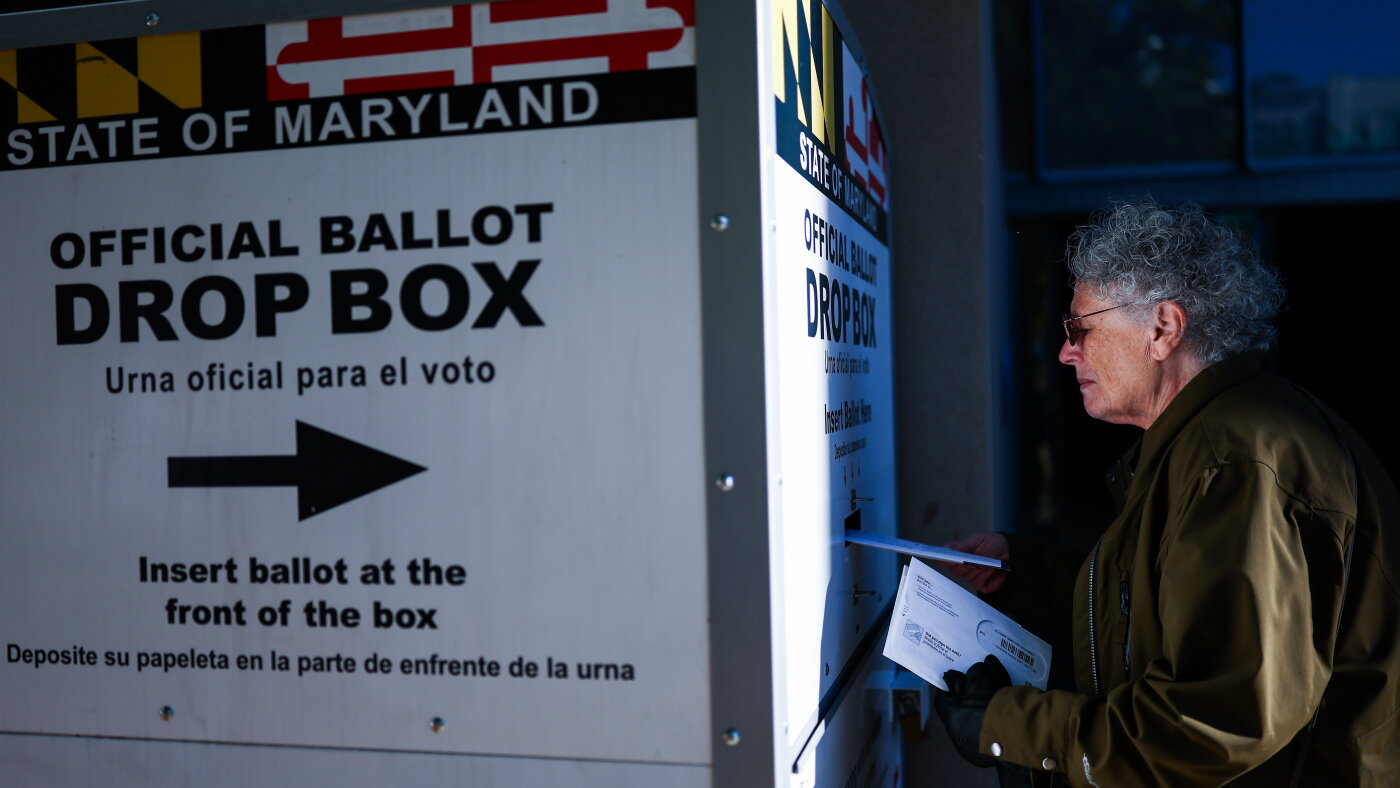
Early Voting Hits 21 Million as Most Trust Midterm Accuracy
Millions have already voted early as parties make final appeals amid $1.4 billion in ad spending; polls show confidence in election accuracy.
The Compass
You just read five takes on one story.
What's your take? Find your political shape in a few minutes.
Take the test