
Lindsey Graham Dies at 71, Sparking Senate GOP Succession Scramble

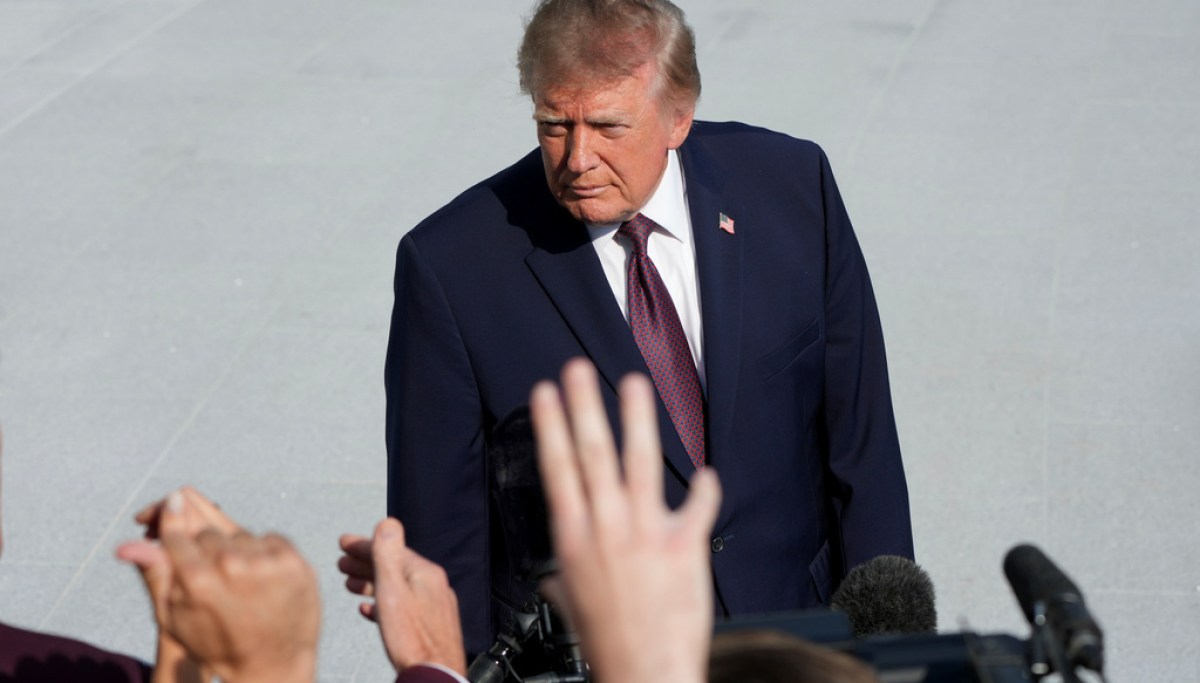
Cover image from independent.co.uk, which was analyzed for this article
The longtime Republican senator and Trump ally died suddenly from an aortic dissection, prompting immediate scrambling to fill his seat ahead of midterms and tributes mixed with past political barbs across outlets.
PoliticalOS
Sunday, July 12, 2026 — Politics
Graham’s death narrows the Senate GOP margin and removes a consistent internal advocate for Ukraine aid and Russia sanctions within Trump’s circle. Succession rules in South Carolina will determine how quickly the seat is filled and whether the majority can maintain its legislative agenda through the midterms. The range of tributes and attacks reflects the same partisan divide that defined Graham’s career.
What outlets missed
Most coverage omitted Graham’s documented 23-year Senate tenure and committee leadership roles that shaped judicial confirmations and defense policy. Few pieces supplied the exact timeline of his final Ukraine trip and the sanctions agreement he announced hours before his death. The mechanics of South Carolina’s succession process and the numerical impact on the GOP’s ability to pass must-pass legislation such as the NDAA received little detail. Graham’s pre-2016 criticism of Trump and his later reversal were frequently cited without noting his 2019-2020 public statements on impeachment that complicate simple narratives of consistent alignment.
Senator Lindsey Graham’s sudden death at age 71 from an aortic dissection due to arteriosclerotic cardiovascular disease has reduced the Senate Republican majority by one seat and opened a contest over his South Carolina seat ahead of the midterms. Graham returned from his tenth wartime trip to Ukraine on Saturday and spoke with President Trump that evening before complaining of feeling unwell; he was pronounced dead hours later. The DC medical examiner’s preliminary findings list the cause as aortic dissection, a condition also responsible for the deaths of actors John Ritter and Alan Thicke, though full toxicology and microscopic results remain pending. South Carolina law requires the governor to appoint a temporary replacement until a special election can be held, and potential candidates including Rep. Nancy Mace have already signaled interest. Reactions split sharply. President Trump called Graham “one of the greatest people” he had known and ordered flags lowered to half-staff. Former Republican strategist Steve Schmidt wrote that Graham was “a parasitic sucker fish” who “betrayed his country for power.” Bipartisan colleagues noted Graham’s long record chairing the Judiciary and Armed Services committees and his final push for Russia sanctions legislation that Sen. Richard Blumenthal described as a “fitting tribute.” The loss removes one of the few Republican voices inside Trump’s orbit who consistently pressed for sustained Ukraine aid and new sanctions on Russia, leaving the administration’s approach to the war without that internal advocate. No other outlet has corroborated an unverified report that Graham joked “I can’t die now” while listing unfinished foreign-policy priorities.
More in Politics

Federal Agents Search Omar Home in Ongoing Immigration Probe
Homeland Security agents searched the Minnesota Democrat's DC residence in a criminal probe, prompting accusations of political intimidation from Omar and Democratic leaders. Coverage spans left-leaning outlets like NPR, BBC, and The Guardian alongside right-leaning criticism from The Federalist and Daily Wire.

Trump Diesel Import Plan Draws Pushback Over Russia Ties
The weekend agreement drew bipartisan congressional pushback and criticism from Ukraine's Zelenskyy, with analysts downplaying US fuel price impacts. Right-leaning outlets like National Review, Dispatch, and Washington Examiner questioned its legality and effectiveness.

Independents Test Voter Appetite for Middle Ground in 2026 Midterms
Nearly 200 independents are running in competitive races as voters weigh ballot measures on housing costs in states like Massachusetts. Left-leaning coverage from NYT, NPR, and Guardian highlights turnout and key races while right outlets focus on GOP strategy.
Trump Rallies in Alaska, Ohio to Bolster GOP Senate Candidates
The president rallied in Wasilla for Sen. Dan Sullivan and faced empty seats at an Ohio event amid midterm concerns. Outlets across the spectrum covered the trips as signals of GOP vulnerability weeks before Election Day.
The Compass
You just read five takes on one story.
What's your take? Find your political shape in a few minutes.
Take the test