
Graham Pushes Expanded Strikes on Iran, Defines Victory Around Reopened Strait
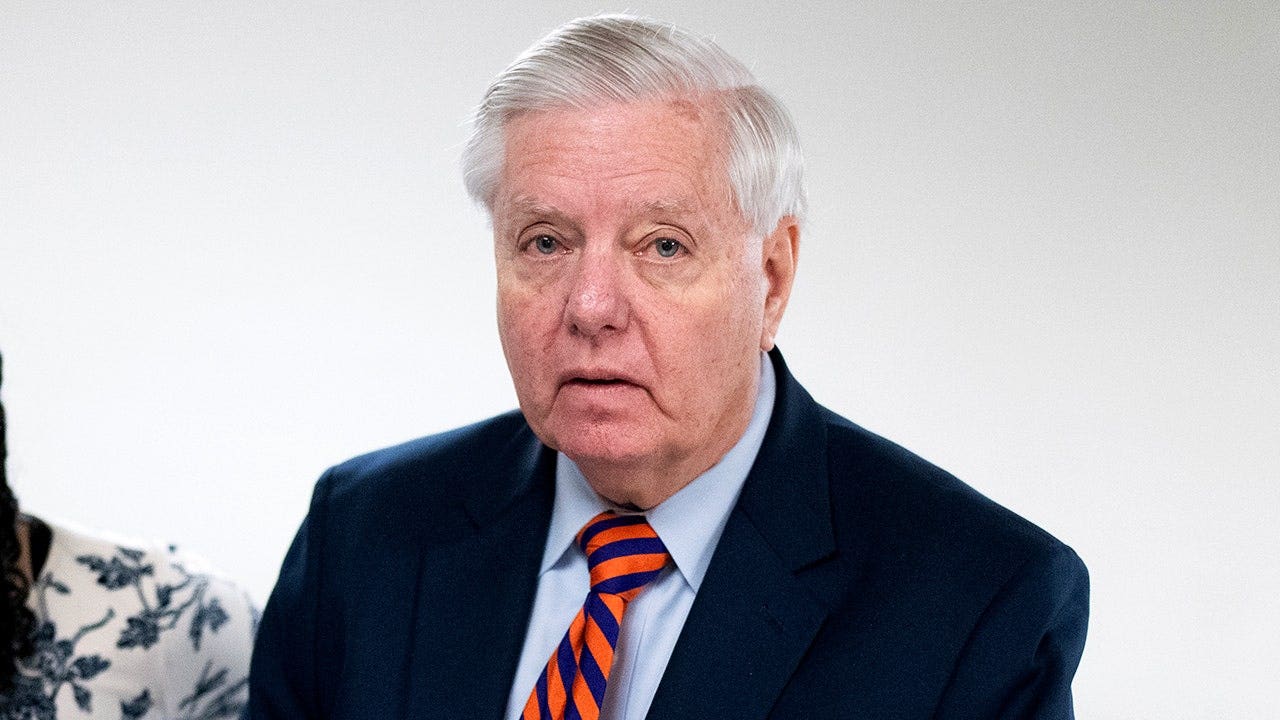
Cover image from foxnews.com, which was analyzed for this article
Sen. Lindsey Graham called for more US strikes on Iran's war machine and arming dissidents to overthrow the regime. Critics mocked his definition of victory amid the Hormuz clashes. His stance reflects hawkish GOP views on the conflict.
PoliticalOS
Tuesday, May 5, 2026 — Politics
Sen. Graham's push for further strikes and support to Iranian dissidents crystallizes a deeper debate over what 'victory' realistically means after months of conflict that began with U.S.-Israeli action and has already disrupted global energy flows. The Strait of Hormuz's status directly affects gas prices and recession risk for American families, yet Iran's nuclear material appears dispersed rather than destroyed and its regime may be hardened rather than weakened. The single most important reality is that further escalation carries immediate economic costs at home and uncertain strategic returns abroad; claims on all sides about casualties, costs, and capabilities require careful cross-checking.
What outlets missed
Most accounts omitted that the war opened with U.S.-Israeli strikes on Feb. 28, 2026, directly prompting Iran's closure of the Strait of Hormuz; Graham's language of "regaining" navigation responds to that specific disruption. Coverage also underplayed the April ceasefire's fragility, with violations alleged on both sides, and that UAE defenses intercepted most Iranian projectiles in the latest incident, limiting damage to a minor fire and three wounded. The status of Iran's highly enriched uranium was rarely addressed: multiple intelligence assessments indicate it was likely moved and buried at sites such as Isfahan rather than fully eliminated. Finally, intra-GOP criticism, including from Rep. Nancy Mace, and Kurdish groups' denials that they diverted U.S. weapons shipments received almost no attention.
Graham Urges Decisive but Limited Action to Counter Iranian Threats in the Strait of Hormuz
Senator Lindsey Graham has called for a focused American response to Iranian aggression in the Persian Gulf, arguing that targeted strikes on the regime's military infrastructure combined with support for internal opposition could restore vital shipping lanes without requiring large-scale ground troops. The South Carolina Republican's remarks come as President Trump's Operation Epic Fury and Project Freedom continue to face Iranian attempts to disrupt maritime traffic through the Strait of Hormuz, a chokepoint that carries roughly one-fifth of global oil supplies.
In a series of statements this week, Graham emphasized practical objectives over open-ended commitments. Appearing on Fox News, he defined victory in straightforward terms: regaining freedom of navigation in the Strait of Hormuz, further degrading Iran's ability to project power, and ensuring its nuclear program cannot be quickly reconstituted. He endorsed allowing Admiral Brad Cooper to conduct strikes against military targets while explicitly rejecting a ground invasion or seizure of Kharg Island, Iran's primary oil export terminal. Instead, Graham suggested issuing a clear warning that the United States could destroy the facility from the air if attacks continue.
"I think we ought to tell the Iranians we will destroy it from the air," Graham said. "That will accomplish the mission I have in mind, which means they can never regenerate anytime soon to become the state's largest state sponsor of terrorism, and their nuclear program has been obliterated."
This approach reflects a recognition of hard constraints. Iran's recent actions, including missile and drone strikes on the United Arab Emirates and continued harassment of commercial vessels, have demonstrated both its intent and its remaining capabilities. President Trump noted in a Truth Social post that U.S. forces have already downed seven Iranian "fast boats," the bulk of Tehran's usable naval assets in the area. A South Korean cargo ship was also targeted, underscoring that the disruption extends beyond American interests to global commerce.
Graham praised the UAE as a "champion ally" that has supported coalition efforts beyond what was asked. The Iranian strike on Emirati infrastructure, he said, reveals the current balance of power within Tehran and reduces near-term prospects for diplomacy. A strong but brief retaliatory action, he argued, would affirm America's reliability as a partner and deter further provocations. Sharing Trump's post on X, Graham wrote that Iran's behavior "more than justifies a big, strong and short response to inflict further damage on Iran's war machine."
Perhaps most striking was Graham's parallel suggestion that the United States and Israel should arm Iranian citizens directly to enable an internal challenge to the regime. Citing the millions of Iranians who oppose theocratic rule, he described a "Second Amendment solution" that would equip people already on the ground rather than placing American boots there.
"We don't need American boots on the ground," Graham said. "We've got millions of boots on the ground in Iran. They just don't have any weapons. Give them the weapons so they can rise up like we did to destroy this regime."
The senator acknowledged past difficulties in delivering weapons through proxies, including Kurdish channels where large portions were reportedly diverted. His recommendation was simple: try again, and do it more effectively. This proposal aligns with a long-standing reality in Iranian society, where periodic protests have shown deep discontent with the regime's economic mismanagement, corruption, and export of revolution. Yet it also carries risks familiar to any student of recent history. Weapons distributed in chaotic environments can fall into unintended hands, and popular uprisings require more than firearms to succeed against entrenched security forces.
Critics from the left have mocked Graham's stance, with some calling his definition of victory bizarre or portraying him as an unrestrained hawk. Democratic analysts on cable panels have argued that the conflict has already made Americans less safe by allowing Iran to assert temporary control over the strait, driving up global energy prices. One exchange highlighted the gap between current enriched uranium stockpiles and a functional nuclear weapon, with skeptics pressing for precise intelligence on buried facilities.
These criticisms overlook the broader pattern. Iran has spent decades building asymmetric capabilities precisely to threaten commercial shipping and regional allies. Its nuclear advances were slowed by prior sabotage and sanctions but never fully halted. The Trump administration's decision to confront these threats directly, rather than return to the accommodation of the 2015 nuclear agreement, rests on the judgment that passivity invites escalation. Freedom of navigation is not an abstract slogan. It is a daily requirement for affordable energy, stable supply chains, and the economic predictability that allows nations to plan and invest.
Graham's combination of limited kinetic strikes and material support for internal resistance attempts to thread a difficult needle. Destroying military assets and threatening economic lifelines can change the regime's calculus about costs and benefits. Arming dissidents, if executed with care, might accelerate pressure from within. Neither approach guarantees quick success. Iran has shown resilience, and its leaders have long bet that American publics tire of prolonged engagements.
Still, the strategic stakes remain clear. The Strait of Hormuz is not a peripheral waterway. Prolonged closure or harassment would spike oil prices, hurt American consumers at the pump, and reward a government that has sponsored terrorism across multiple continents. Graham's insistence on a short, strong response rather than nation-building echoes a realism that weighs objectives against resources. Success will be measured by whether shipping resumes safely, allies are defended, and Iran's capacity for mischief is materially reduced.
As the conflict continues, Graham's counsel underscores a recurring truth in international affairs: aggressors test boundaries until met with credible resistance. The question now is whether the administration calibrates that resistance to achieve the narrow but essential goals the senator outlined, avoiding the open-ended commitments that have frustrated past efforts in the region. The American interest lies in protecting commerce, supporting reliable partners, and preventing a hostile power from dominating energy flows that fuel the global economy. On those terms, Graham's framework offers a pragmatic starting point grounded in observable behavior rather than hopeful assumptions about regime moderation.
You just read Conservative's take. Want to read what actually happened?
More in Politics

Trump Defends Ramaswamy Ad Using Estranged Mother in Ohio Race
President Trump defended a GOP nominee's ad featuring a Democratic opponent's estranged mother, calling it powerful, while drawing criticism from some Republicans including Ohio Gov. Mike DeWine. The ad has sparked internal GOP tensions ahead of midterms.

Federal Raid Targets Omar Amid Unresolved Name and Marriage Allegations
Agents searched Rep. Ilhan Omar's DC residence over immigration fraud allegations; she called it bizarre. Reports and commentary questioned her birth name and past marriage details.

Supreme Court Upholds New Hampshire Student ID Voting Ban
The Supreme Court upheld New Hampshire's ban on student IDs as valid voter identification just before midterms, affecting a tight Senate race.
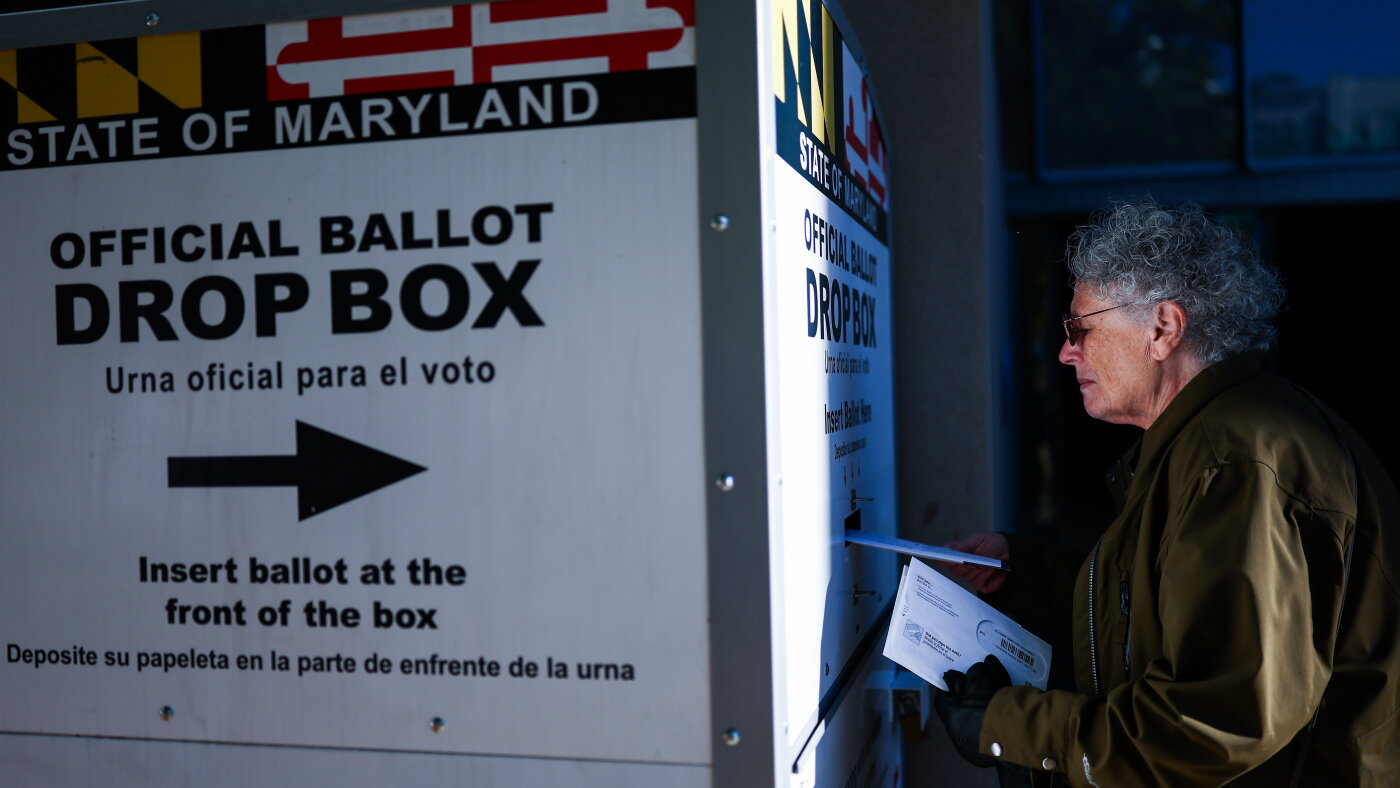
Early Voting Hits 21 Million as Most Trust Midterm Accuracy
Millions have already voted early as parties make final appeals amid $1.4 billion in ad spending; polls show confidence in election accuracy.
The Compass
You just read five takes on one story.
What's your take? Find your political shape in a few minutes.
Take the test