
Graham Pushes Expanded Strikes on Iran, Defines Victory Around Reopened Strait
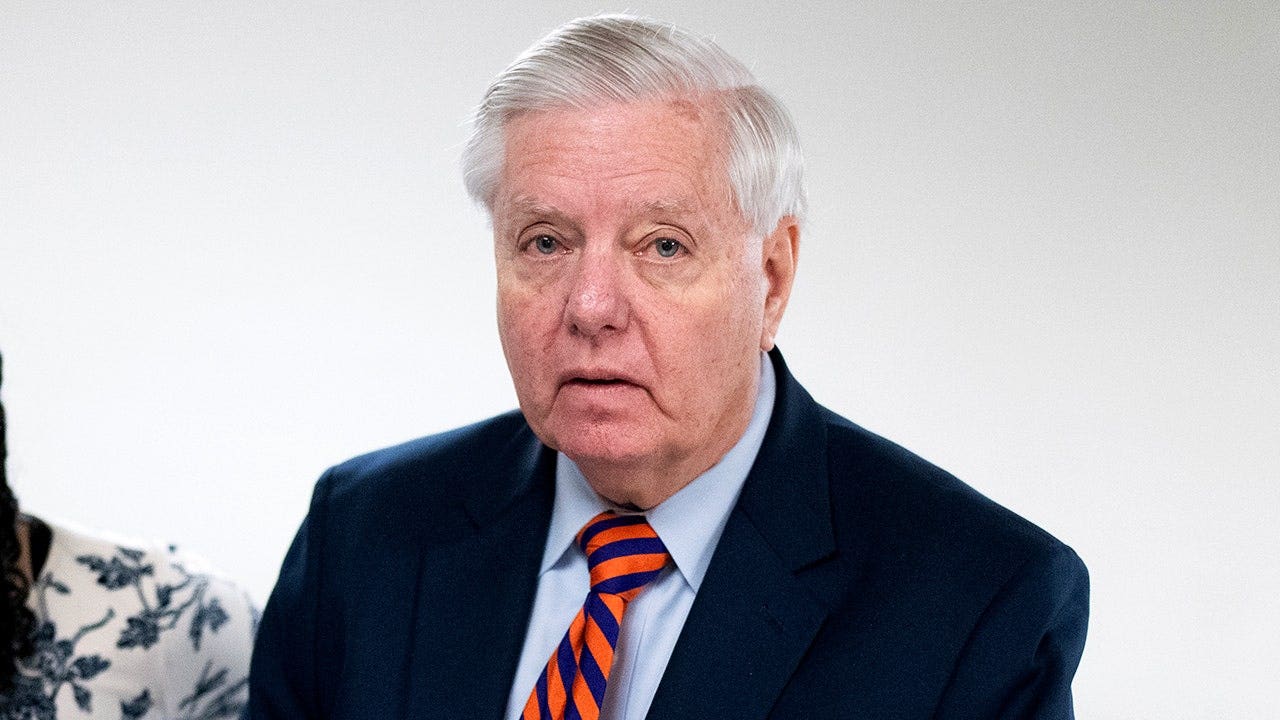
Cover image from foxnews.com, which was analyzed for this article
Sen. Lindsey Graham called for more US strikes on Iran's war machine and arming dissidents to overthrow the regime. Critics mocked his definition of victory amid the Hormuz clashes. His stance reflects hawkish GOP views on the conflict.
PoliticalOS
Tuesday, May 5, 2026 — Politics
Sen. Graham's push for further strikes and support to Iranian dissidents crystallizes a deeper debate over what 'victory' realistically means after months of conflict that began with U.S.-Israeli action and has already disrupted global energy flows. The Strait of Hormuz's status directly affects gas prices and recession risk for American families, yet Iran's nuclear material appears dispersed rather than destroyed and its regime may be hardened rather than weakened. The single most important reality is that further escalation carries immediate economic costs at home and uncertain strategic returns abroad; claims on all sides about casualties, costs, and capabilities require careful cross-checking.
What outlets missed
Most accounts omitted that the war opened with U.S.-Israeli strikes on Feb. 28, 2026, directly prompting Iran's closure of the Strait of Hormuz; Graham's language of "regaining" navigation responds to that specific disruption. Coverage also underplayed the April ceasefire's fragility, with violations alleged on both sides, and that UAE defenses intercepted most Iranian projectiles in the latest incident, limiting damage to a minor fire and three wounded. The status of Iran's highly enriched uranium was rarely addressed: multiple intelligence assessments indicate it was likely moved and buried at sites such as Isfahan rather than fully eliminated. Finally, intra-GOP criticism, including from Rep. Nancy Mace, and Kurdish groups' denials that they diverted U.S. weapons shipments received almost no attention.
Lindsey Graham Demands Escalation Against Iran Including Arming Civilians
Senator Lindsey Graham is once again urging the Trump administration to intensify its military campaign against Iran, this time floating not only targeted strikes on the Islamic Republic's remaining military assets but also a plan to flood the country with weapons so its own people can rise up and overthrow the regime. The South Carolina Republican, a longtime advocate for confrontation with Tehran, made the remarks as the administration's Operation Epic Fury enters its third month with no clear end in sight and shipping through the Strait of Hormuz still disrupted.
In an appearance on Fox News with Sean Hannity, Graham laid out what he considers victory conditions. These include restoring freedom of navigation in the vital waterway, responding forcefully to Iran's missile and drone attacks on the United Arab Emirates, and further degrading Iranian military capabilities. He specifically mentioned giving Admiral Brad Cooper the green light to strike additional targets while threatening to destroy Kharg Island from the air, a move he said would prevent Iran from regenerating its ability to sponsor terrorism or advance its nuclear program.
Graham praised the UAE as a "champion ally" that has done everything asked of it and more. Iran's recent strikes on Emirati infrastructure, he argued, reveal who truly holds power in Tehran and suggest diplomacy is pointless in the near term. Sharing one of President Trump's Truth Social posts about downed Iranian fast boats and an incident involving a South Korean cargo ship, Graham wrote that the combination of attacks on shipping and allies "more than justifies a big, strong and short response to inflict further damage on Iran's war machine."
Yet the senator went beyond conventional airstrikes. He explicitly called for what he termed a "Second Amendment solution for the Iranian people," suggesting the United States and Israel should arm Iranian citizens directly so they can take to the streets and topple the theocratic government. "We don't need American boots on the ground," Graham said. "We've got millions of boots on the ground in Iran. They just don't have any weapons. Give them the weapons so they can rise up like we did to destroy this regime."
This proposal comes after earlier attempts to funnel weapons through Kurdish fighters reportedly saw most of the arms stolen or diverted. Graham's response was simple: "Do it again." The idea of handing out guns inside Iran to spark a popular revolt carries echoes of past American adventures in arming local forces, many of which produced unintended consequences and prolonged instability rather than swift democratic transformations.
Graham's comments have exposed deep divisions over the direction of the conflict, which began when President Trump launched strikes on February 28. While some administration allies insist the operation has successfully set back Iran's nuclear ambitions, others note that Tehran now exerts greater practical control over the Strait of Hormuz than it did before the fighting started. Gas prices have risen accordingly. On cable news panels, younger voices have pushed back hard against the war, arguing it has made America less secure rather than more. Conservative commentators counter that an nuclear-armed Iran would blackmail the world with unlimited energy prices, though the current location and status of Iran's enriched uranium stockpiles remain subjects of classified debate and public uncertainty.
Critics have been quick to mock Graham's latest definition of victory as vague and open-ended. What began as a mission to restore shipping lanes and neutralize an immediate threat now appears to include regime change through proxy armament and repeated strikes on Iranian infrastructure. Graham himself acknowledged he is "not a real advocate of taking Kharg Island" but believes the mere threat of its destruction from the air would accomplish American goals.
The senator's eagerness for deeper involvement fits a familiar pattern. For years Graham has championed aggressive postures toward Iran, often predicting that decisive action would yield quick results and regional stability. The current reality, with continued attacks on international vessels, resilient Iranian responses, and questions about whether the regime's hold on power has actually tightened under pressure, suggests otherwise. Trump's own statements have focused on practical concerns like protecting commercial shipping and encouraging allies such as South Korea to contribute more directly.
As the fighting continues, Graham's call to both bomb Iran's war machine and distribute firearms to its civilian population raises fundamental questions about the scope and exit strategy of American involvement. The administration has so far avoided large-scale ground deployments, but the senator's vision of empowering an internal uprising carries its own risks of chaos, factional warfare, and weapons ending up in unpredictable hands. Whether these ideas represent a realistic path to victory or simply another escalation in a conflict that already defies easy resolution remains sharply contested in Washington and across the country. For now, the Strait remains contested, shipping continues under threat, and Lindsey Graham continues to press for a bigger, bolder American role.
You just read America First's take. Want to read what actually happened?
More in Politics

Trump Defends Ramaswamy Ad Using Estranged Mother in Ohio Race
President Trump defended a GOP nominee's ad featuring a Democratic opponent's estranged mother, calling it powerful, while drawing criticism from some Republicans including Ohio Gov. Mike DeWine. The ad has sparked internal GOP tensions ahead of midterms.
Federal Raid Targets Omar Amid Unresolved Name and Marriage Allegations
Agents searched Rep. Ilhan Omar's DC residence over immigration fraud allegations; she called it bizarre. Reports and commentary questioned her birth name and past marriage details.

Supreme Court Upholds New Hampshire Student ID Voting Ban
The Supreme Court upheld New Hampshire's ban on student IDs as valid voter identification just before midterms, affecting a tight Senate race.
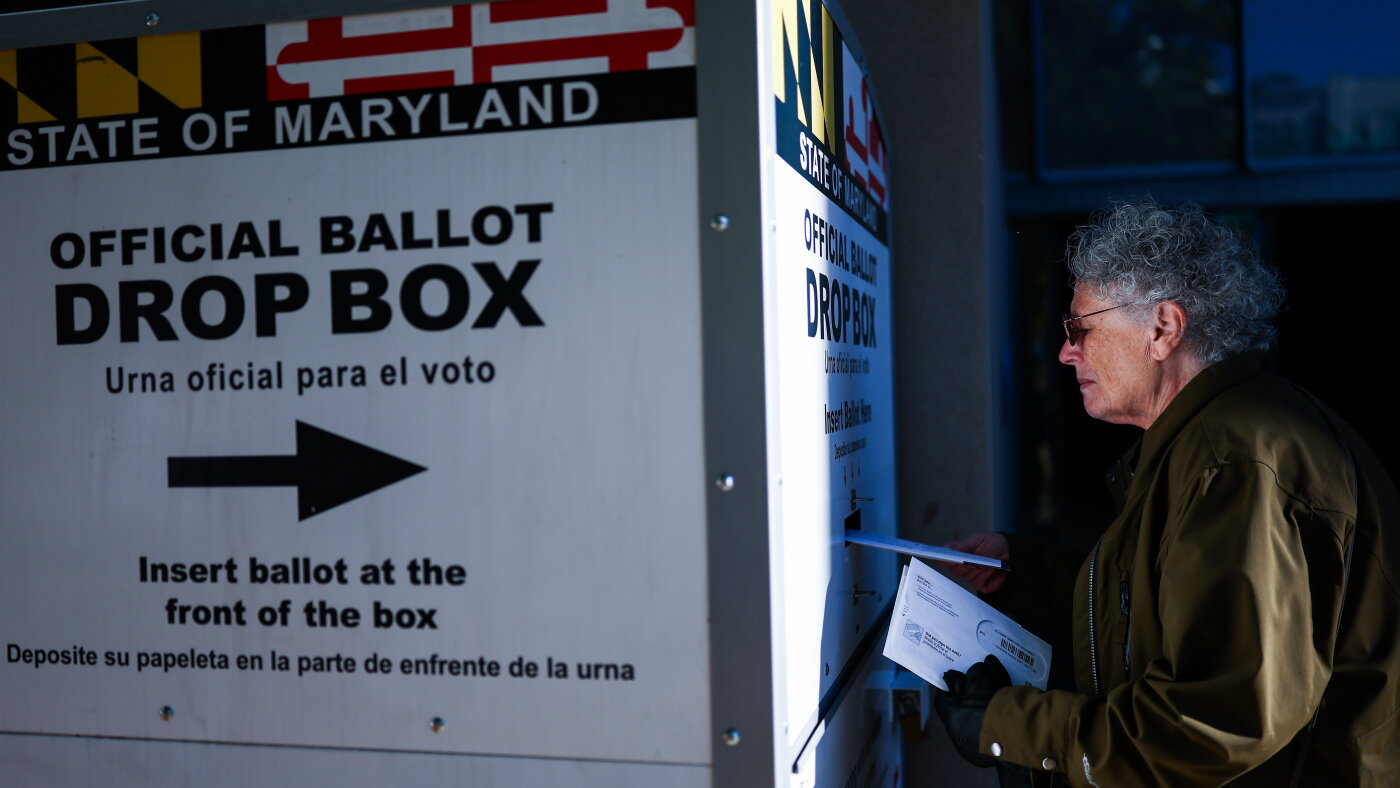
Early Voting Hits 21 Million as Most Trust Midterm Accuracy
Millions have already voted early as parties make final appeals amid $1.4 billion in ad spending; polls show confidence in election accuracy.
The Compass
You just read five takes on one story.
What's your take? Find your political shape in a few minutes.
Take the test