
Graham Pushes Expanded Strikes on Iran, Defines Victory Around Reopened Strait
Cover image from foxnews.com, which was analyzed for this article
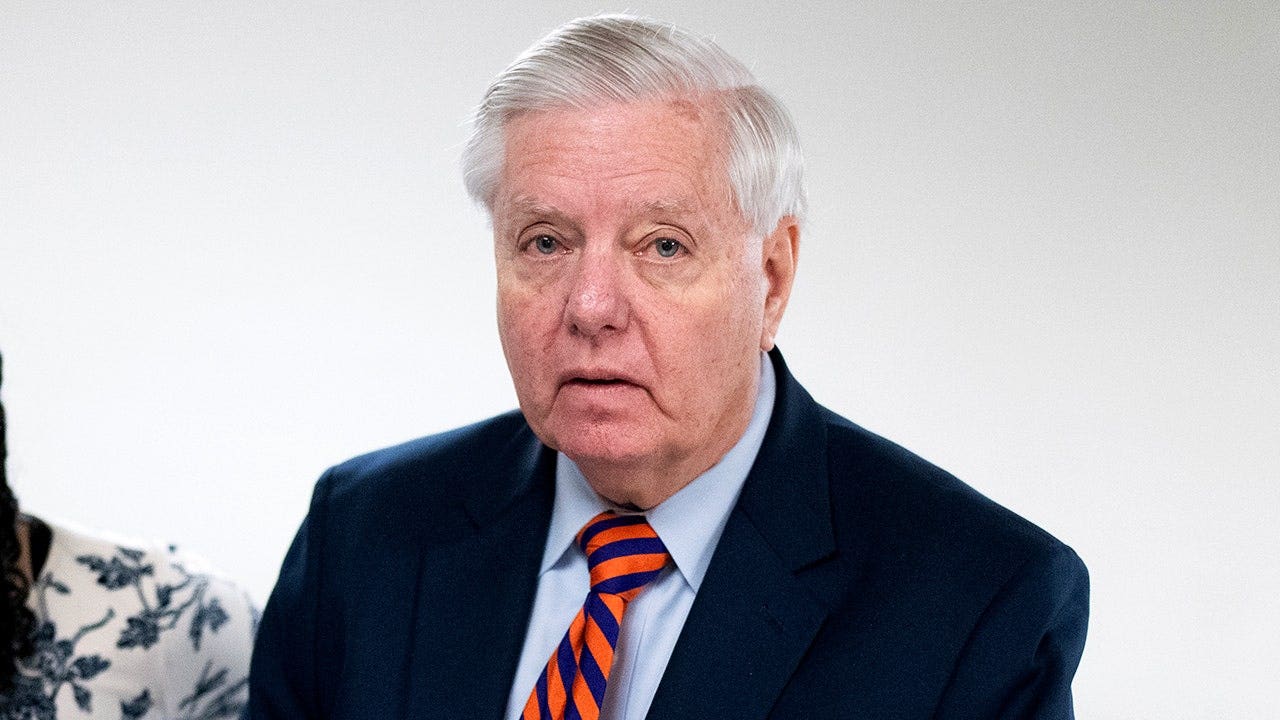
Sen. Lindsey Graham called for more US strikes on Iran's war machine and arming dissidents to overthrow the regime. Critics mocked his definition of victory amid the Hormuz clashes. His stance reflects hawkish GOP views on the conflict.
PoliticalOS
Tuesday, May 5, 2026 — Politics
Sen. Graham's push for further strikes and support to Iranian dissidents crystallizes a deeper debate over what 'victory' realistically means after months of conflict that began with U.S.-Israeli action and has already disrupted global energy flows. The Strait of Hormuz's status directly affects gas prices and recession risk for American families, yet Iran's nuclear material appears dispersed rather than destroyed and its regime may be hardened rather than weakened. The single most important reality is that further escalation carries immediate economic costs at home and uncertain strategic returns abroad; claims on all sides about casualties, costs, and capabilities require careful cross-checking.
What outlets missed
Most accounts omitted that the war opened with U.S.-Israeli strikes on Feb. 28, 2026, directly prompting Iran's closure of the Strait of Hormuz; Graham's language of "regaining" navigation responds to that specific disruption. Coverage also underplayed the April ceasefire's fragility, with violations alleged on both sides, and that UAE defenses intercepted most Iranian projectiles in the latest incident, limiting damage to a minor fire and three wounded. The status of Iran's highly enriched uranium was rarely addressed: multiple intelligence assessments indicate it was likely moved and buried at sites such as Isfahan rather than fully eliminated. Finally, intra-GOP criticism, including from Rep. Nancy Mace, and Kurdish groups' denials that they diverted U.S. weapons shipments received almost no attention.
Senator Graham Calls for Expanded Strikes on Iran and Arming Civilians to Spark Uprising
As the Trump administration’s military campaign against Iran enters its third month, Senator Lindsey Graham is pressing for a sharper escalation, including targeted attacks on Iranian infrastructure and a provocative plan to flood the country with weapons to encourage an internal revolt. The South Carolina Republican’s comments, delivered during a Monday appearance on Fox News and echoed on social media, come as shipping through the Strait of Hormuz remains contested and global energy markets show signs of strain.
Graham, long one of Washington’s most consistent advocates for confronting Iran, described victory in narrow but aggressive terms. He told host Sean Hannity that success would mean restoring freedom of navigation in the Strait of Hormuz, further degrading Iranian military capacity, and issuing a credible threat to destroy Kharg Island, the country’s critical oil export terminal. “I’m not a real advocate of taking Kharg Island,” Graham said. “I think we ought to tell the Iranians we will destroy it from the air. That will accomplish the mission I have in mind.”
His remarks build on earlier statements praising the United Arab Emirates as a “champion ally” that has supported American efforts. Graham cited Iran’s recent missile and drone attacks on UAE infrastructure and its continued harassment of commercial vessels, including a South Korean cargo ship, as justification for what he called a “big, strong and short response” against Tehran’s “war machine.” President Trump, in a Truth Social post, had noted the downing of seven Iranian “fast boats” and invited South Korea to join the operation known as Project Freedom.
Yet Graham went further, proposing what he termed a “Second Amendment solution for the Iranian people.” He urged the administration to arm Iranian civilians directly so they could rise up against the theocratic regime. “We don’t need American boots on the ground,” he said. “We’ve got millions of boots on the ground in Iran. They just don’t have any weapons. Give them the weapons so they can rise up like we did to destroy this regime.”
The suggestion revives an old but troubled idea. Graham acknowledged past efforts to funnel weapons through Kurdish intermediaries had largely failed, with reports that local groups diverted as much as 90 percent of the shipments. He urged the administration to try again. The proposal arrives at a moment when the Islamic Republic’s leadership appears, if anything, more consolidated by the external pressure of Operation Epic Fury, the campaign Trump launched on February 28.
Graham’s definition of victory has drawn sharp criticism from opponents who see it as both vague and dangerously open-ended. Online commentators mocked the senator for framing the restoration of oil transit and limited strikes as sufficient to neutralize Iran as the region’s leading state sponsor of terrorism, especially after he asserted that Tehran’s nuclear program had already been “obliterated.” Independent analysts have questioned how complete that destruction was, noting that enriched uranium stocks can be hidden in deeply buried facilities. A heated exchange on CNN’s “News Night” captured the domestic divide. Democratic commentator Adam Mockler clashed with conservative panelists who warned that an unbowed Iran with nuclear capabilities would eventually blackmail the world through the Strait of Hormuz. Mockler countered that current Iranian control of the waterway, which it lacked two months ago, already demonstrates that the conflict has left the United States less secure in the near term.
The disagreement reflects deeper uncertainty about American objectives. The administration began the campaign with apparent goals of neutralizing Iran’s nuclear infrastructure and proxy network. Yet the conflict has evolved into a grinding contest over maritime access, with Iran using relatively low-cost drones and speedboats to challenge far more expensive naval assets. Oil prices have risen, though not yet to crisis levels, and shipping companies are rerouting vessels or paying higher insurance premiums.
Graham’s call to arm civilians raises serious questions about both feasibility and precedent. Supplying weapons to a population living under a repressive regime risks fueling civil war rather than a clean democratic transition. Past American attempts to cultivate popular uprisings in the Middle East, whether in Iraq or Libya, produced complicated and often tragic results. Tehran’s security services have spent years preparing for exactly this scenario, embedding informants and maintaining loyal paramilitary forces. The risk of weapons ending up with extremist factions rather than liberal democrats is substantial.
At the same time, Graham’s impatience reflects genuine frustration within parts of the Republican foreign policy community. Diplomacy with Iran has been politically toxic since the 2015 nuclear agreement, and the current administration has shown little interest in reviving multilateral talks. The UAE and other Gulf partners have indeed provided valuable logistical support, but their own security concerns do not necessarily align with an open-ended American commitment to regime change.
The senator’s latest interventions arrive as public opinion, particularly among younger Americans, has turned sharply against the conflict. Polling consistently shows broad skepticism about new Middle East wars, even among many who view Iran’s government as dangerous. That generational gap was visible in the CNN exchange, where arguments about long-term threats collided with immediate evidence of higher costs and prolonged instability.
Whether Graham’s counsel will shape policy remains unclear. Trump has oscillated between bellicose rhetoric and hints of wanting a deal. For now, the administration continues to emphasize the protection of international shipping while avoiding large-scale ground operations. Graham’s vision of short, sharp strikes combined with an armed popular uprising offers an alternative that sounds decisive but carries enormous risks of miscalculation. History suggests that wars in the region rarely stay short or contained once new variables, whether Iranian retaliation or American-supplied weapons in unknown hands, are introduced.
The coming weeks will test whether Washington can achieve its stated goals in the Strait without sliding into the wider confrontation that Graham’s proposals implicitly accept as necessary.
You just read Liberal's take. Want to read what actually happened?
More in Politics
Trump at 32% Approval as Gas Prices Test GOP Midterm Hopes
NYT/Siena polling showed Trump's approval at historic lows around 32 percent with Democrats leading by double digits in key districts. Early voting has surged in battleground states.

Record Early Voting Hits Battlegrounds, Shifting Partisan Shares
AP analysis found hundreds of thousands more early ballots than in 2022 in states including Texas, Ohio, Kansas, Maine, and North Carolina, shifting partisan dynamics.
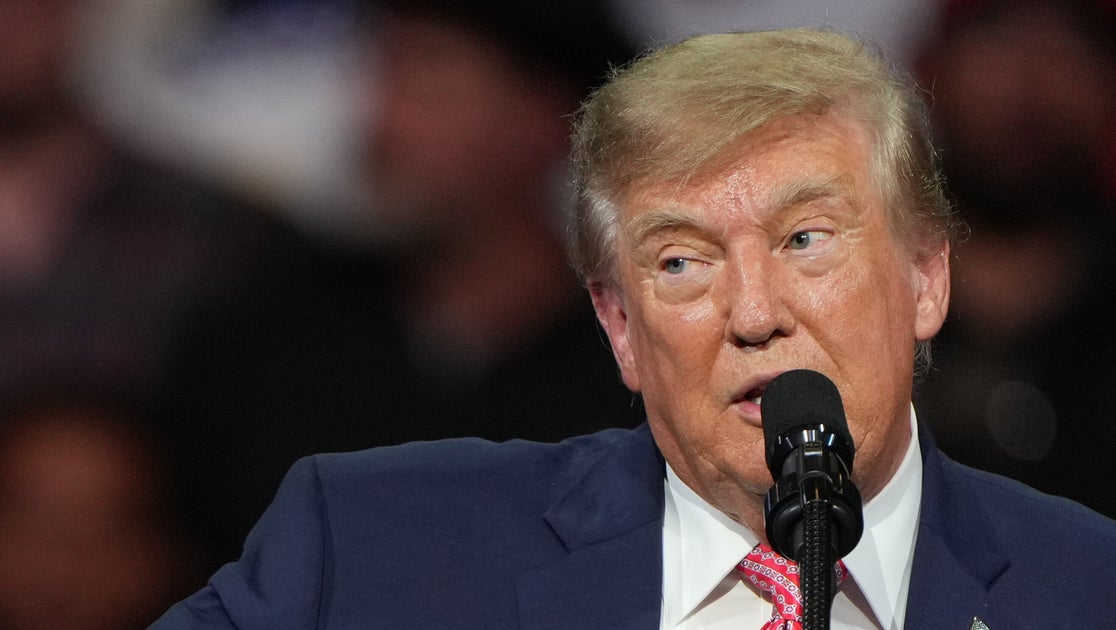
Trump Backs Marshall in Kansas Senate Race Tightened by Farm Costs
President Trump rallied in deep-red Kansas for GOP Sen. Roger Marshall in a competitive race, announcing an $8 billion farm fuel relief program amid high diesel prices. Democrats see an opening to end 94 years of GOP dominance in the state.

Trump Pauses Russia Sanctions Amid Ukraine Tensions and Missile Strikes
Trump waived sanctions on Russia and floated trilateral talks with Putin and Xi as part of ending the Ukraine war, while tensions rose with Zelenskyy over Starlink and arms. Bipartisan senators engaged Zelenskyy amid the shifts.
The Compass
You just read five takes on one story.
What's your take? Find your political shape in a few minutes.
Take the test