
Graham Pushes Expanded Strikes on Iran, Defines Victory Around Reopened Strait
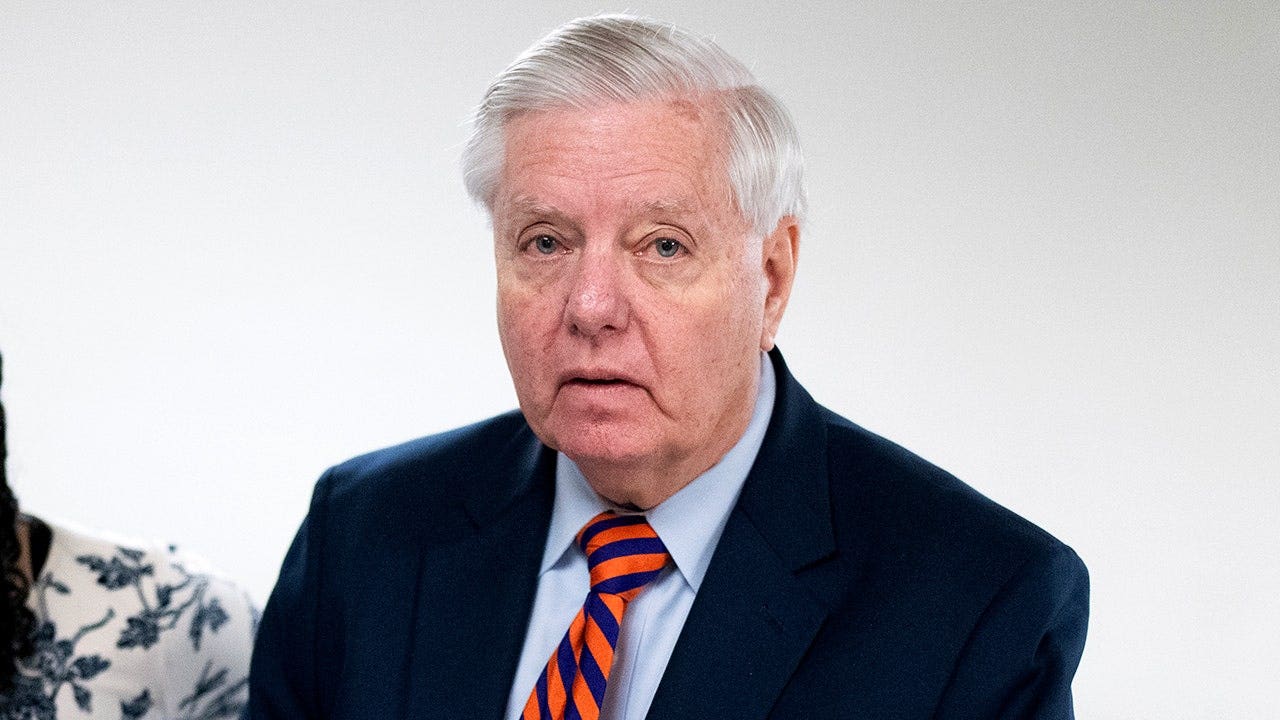
Cover image from foxnews.com, which was analyzed for this article
Sen. Lindsey Graham called for more US strikes on Iran's war machine and arming dissidents to overthrow the regime. Critics mocked his definition of victory amid the Hormuz clashes. His stance reflects hawkish GOP views on the conflict.
PoliticalOS
Tuesday, May 5, 2026 — Politics
Sen. Graham's push for further strikes and support to Iranian dissidents crystallizes a deeper debate over what 'victory' realistically means after months of conflict that began with U.S.-Israeli action and has already disrupted global energy flows. The Strait of Hormuz's status directly affects gas prices and recession risk for American families, yet Iran's nuclear material appears dispersed rather than destroyed and its regime may be hardened rather than weakened. The single most important reality is that further escalation carries immediate economic costs at home and uncertain strategic returns abroad; claims on all sides about casualties, costs, and capabilities require careful cross-checking.
What outlets missed
Most accounts omitted that the war opened with U.S.-Israeli strikes on Feb. 28, 2026, directly prompting Iran's closure of the Strait of Hormuz; Graham's language of "regaining" navigation responds to that specific disruption. Coverage also underplayed the April ceasefire's fragility, with violations alleged on both sides, and that UAE defenses intercepted most Iranian projectiles in the latest incident, limiting damage to a minor fire and three wounded. The status of Iran's highly enriched uranium was rarely addressed: multiple intelligence assessments indicate it was likely moved and buried at sites such as Isfahan rather than fully eliminated. Finally, intra-GOP criticism, including from Rep. Nancy Mace, and Kurdish groups' denials that they diverted U.S. weapons shipments received almost no attention.
Lindsey Graham Pushes Escalation and Civilian Arming in Trump Iran War
Senator Lindsey Graham continued his longstanding advocacy for aggressive action against Iran on Monday, proposing both expanded U.S. military strikes and a radical plan to flood the country with weapons in hopes of sparking an internal uprising against the Tehran regime. The South Carolina Republican's comments come as President Donald Trump's war, launched on February 28, has already produced consequences that critics say have strengthened Iran's strategic position rather than diminishing it.
In a Fox News appearance with host Sean Hannity, Graham defined victory in narrow terms that immediately drew mockery online. "Regain freedom of navigation of the Strait of Hormuz," he declared, adding that the United States should respond to Iranian attacks on allies like the United Arab Emirates with further degradation of Iranian military capabilities. He specifically suggested authorizing Admiral Brad Cooper to strike additional targets while threatening to destroy Kharg Island, Iran's critical oil export terminal, from the air rather than seizing it on the ground. Graham described this as a "short, big, strong response" that would prevent Iran from regenerating its capacity as a regional power.
The senator went further, calling for what he termed a "Second Amendment solution for the Iranian people." Graham urged the Trump administration to send shipments of weapons directly to civilians inside Iran so they could "rise up" and overthrow their government. "We don't need American boots on the ground," he said. "We've got millions of boots on the ground in Iran. They just don't have any weapons. Give them the weapons so they can rise up like we did to destroy this regime."
This proposal echoes earlier unsuccessful attempts to funnel weapons through Kurdish groups, during which Graham acknowledged that intermediaries reportedly diverted up to 90 percent of the arms. His comments arrived the same day that Trump, in a Truth Social post, claimed U.S. forces had shot down seven Iranian "fast boats" and suggested South Korea should join operations to protect shipping after one of its cargo vessels came under attack. Graham praised the UAE as a "champion ally" and cited Iran's recent missile and drone strikes on Emirati infrastructure as justification for American retaliation, arguing it demonstrated the weakness of diplomatic prospects.
Graham's remarks reflect a pattern of hawkish prescriptions that have defined his career, particularly on Iran. Yet they arrive at a moment when the conflict appears to have backfired in key respects. A heated exchange on CNN's NewsNight highlighted growing skepticism, even as conservative pundits defended the campaign. Democratic influencer Adam Mockler clashed with National Review's Noah Rothman and MAGA commentator Hal Lambert, pointing out that Iran now effectively controls the Strait of Hormuz in ways it did not two months before the U.S. strikes began. Mockler repeatedly pressed Lambert on the location of Iran's enriched uranium, challenging claims that the nuclear program had been neutralized and that buried stockpiles justified continued escalation.
"They're non-existent," Mockler said of the current nuclear threat level, demanding specifics about where the material was supposedly hidden. Lambert insisted the uranium remained buried in Iran and warned of future blackmail over energy prices, but could not provide details beyond classified briefings that neither he nor Mockler had access to. The exchange underscored broader concerns that the war has disrupted global energy markets and strengthened hardliners in Tehran, whose grip on power has arguably tightened amid external attack.
Critics on social media were quick to ridicule Graham's victory criteria as disconnected from reality. Many pointed to the irony of a senator who once championed regime change in Iraq now suggesting that arming a population of 90 million people would produce a clean, pro-Western revolution. History suggests otherwise. Previous U.S. attempts at engineering uprisings in the Middle East, whether through direct intervention or proxy support, have often produced chaos, refugee crises, and new generations of militants rather than stable democracies.
The current fighting centers on Iran's resilient response to Operation Epic Fury, the U.S. campaign that has included strikes on Iranian naval assets and attempts to reopen the Strait of Hormuz under "Project Freedom." While Trump has touted the downing of small Iranian vessels, shipping continues to face disruption, driving up global oil prices and raising questions about the strategy's effectiveness. Graham's call to further "inflict damage on Iran's war machine" while simultaneously trying to arm its civilians risks widening the conflict in unpredictable ways.
Graham himself acknowledged the limits of diplomacy after Iran's attack on the UAE, stating it revealed much about who holds power in Tehran. Yet his proposed remedies, combining aerial destruction with a call for popular insurrection, suggest a belief that overwhelming force combined with internal subversion can succeed where previous Middle East policies have failed. Whether the Trump administration will adopt such measures remains unclear, but Graham's willingness to float them publicly illustrates the pressure from Washington hawks for deeper involvement in a war that has already altered the region's strategic landscape in Iran's favor.
As the conflict enters its third month, the disconnect between declared U.S. objectives and on-the-ground outcomes grows more apparent. Freedom of navigation, a functioning global energy market, and a weakened Iranian nuclear program were all cited as goals. Instead, Iran has demonstrated its ability to harass international shipping, maintain alliances, and survive direct military confrontation with the world's most powerful military. Graham's latest prescriptions, however well-received in certain quarters of the Republican Party, risk extending a campaign that many analysts believe is making the United States and its partners less safe rather than more.
You just read Progressive's take. Want to read what actually happened?
More in Politics

Trump Defends Ramaswamy Ad Using Estranged Mother in Ohio Race
President Trump defended a GOP nominee's ad featuring a Democratic opponent's estranged mother, calling it powerful, while drawing criticism from some Republicans including Ohio Gov. Mike DeWine. The ad has sparked internal GOP tensions ahead of midterms.
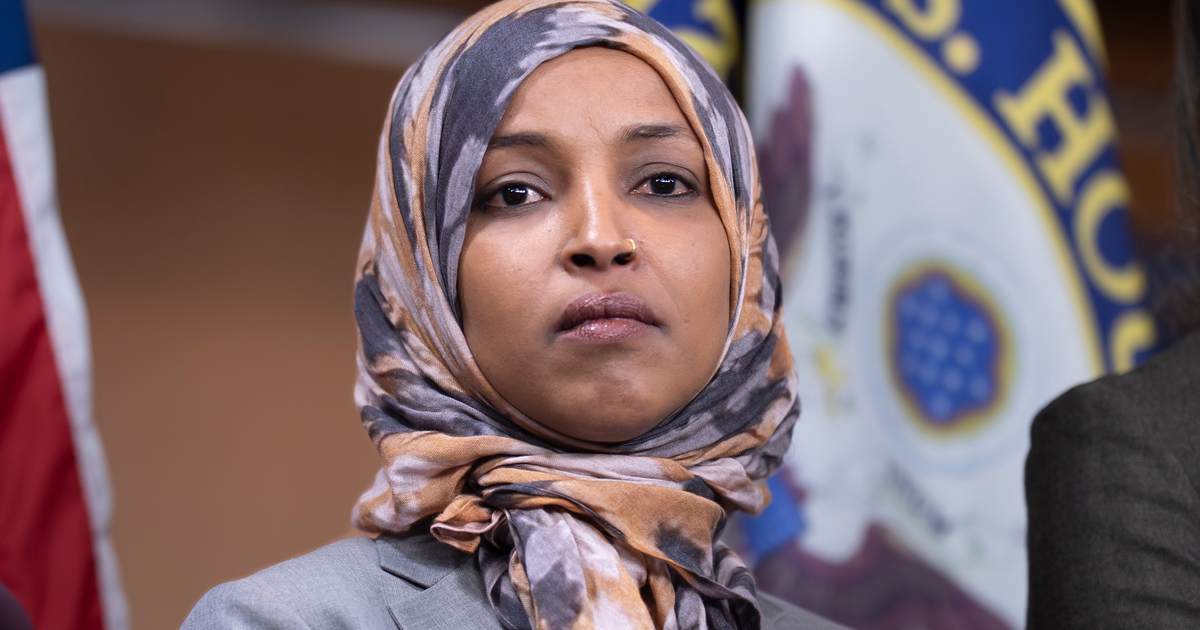
Federal Raid Targets Omar Amid Unresolved Name and Marriage Allegations
Agents searched Rep. Ilhan Omar's DC residence over immigration fraud allegations; she called it bizarre. Reports and commentary questioned her birth name and past marriage details.

Supreme Court Upholds New Hampshire Student ID Voting Ban
The Supreme Court upheld New Hampshire's ban on student IDs as valid voter identification just before midterms, affecting a tight Senate race.
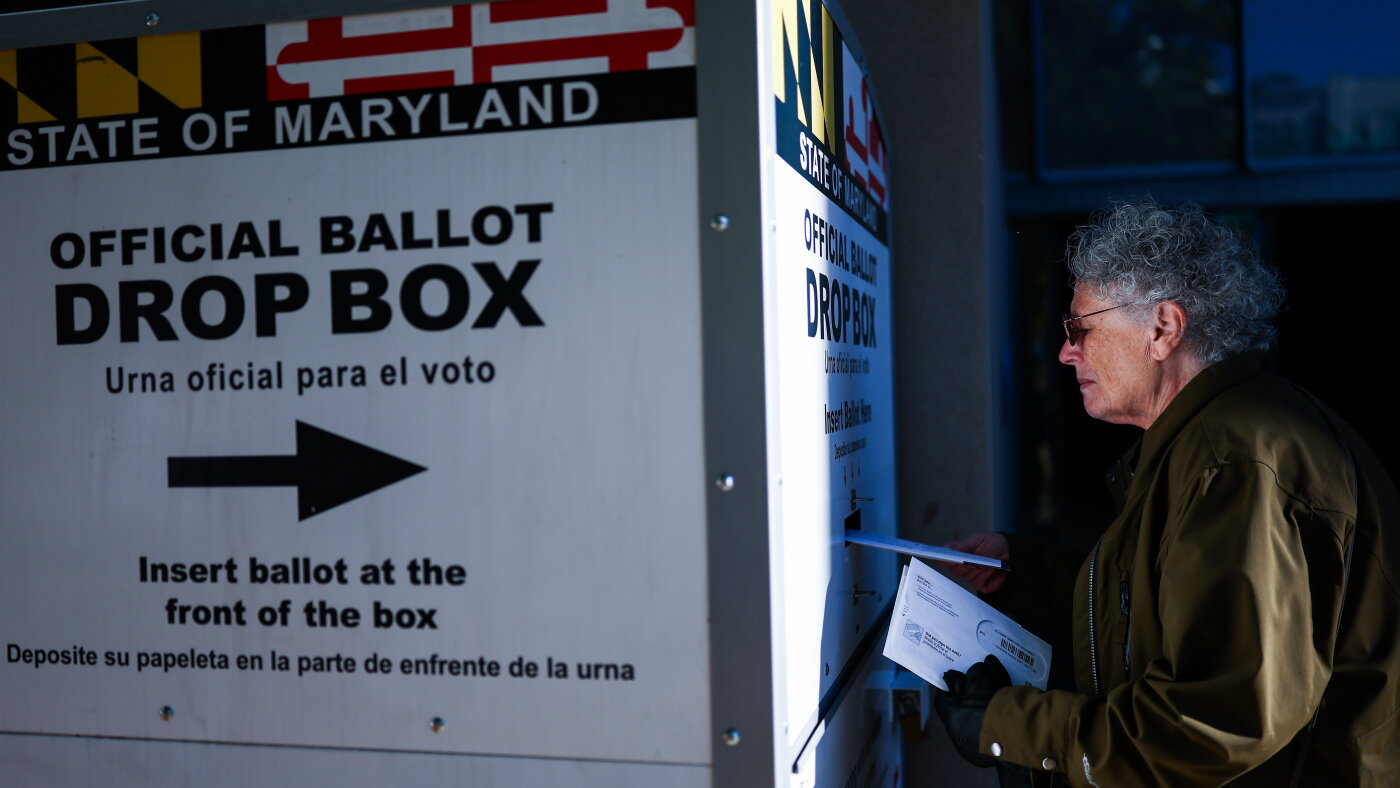
Early Voting Hits 21 Million as Most Trust Midterm Accuracy
Millions have already voted early as parties make final appeals amid $1.4 billion in ad spending; polls show confidence in election accuracy.
The Compass
You just read five takes on one story.
What's your take? Find your political shape in a few minutes.
Take the test