
Trump-Backed Letlow Leads Louisiana Senate Primary, Cassidy Out

Cover image from dailywire.com, which was analyzed for this article
Incumbent Sen. Bill Cassidy lost the GOP primary to Trump-endorsed challengers advancing to a runoff. The result underscores Trump's dominance within the Republican Party ahead of midterms.
PoliticalOS
Sunday, May 17, 2026 — Politics
Trump’s endorsement remains a dominant force in Republican primaries, as demonstrated by Cassidy’s elimination despite his incumbency and recent legislative alignment. Voters in Louisiana prioritized perceived loyalty over institutional standing, narrowing the field to two Trump-aligned candidates for the June runoff.
What outlets missed
Several outlets omitted precise vote totals and county-level patterns that appeared in AP data. Cassidy’s documented holds on certain Trump administration health nominees, including the withdrawn Surgeon General pick, received uneven coverage despite appearing in public statements. Louisiana’s 2024 primary-system adjustments and their limited application to the Senate race were referenced inconsistently, leaving readers without full context on turnout mechanics. Prior polling trends showing Cassidy trailing for months were rarely included.
Trump's Grip on GOP Tightens After Louisiana Voters Reject Senator Cassidy
Louisiana Republicans delivered a clear rebuke to Senator Bill Cassidy on Saturday, denying the two-term incumbent a path to a third term after he voted to convict President Trump during his 2021 impeachment trial. With nearly all votes counted, Representative Julia Letlow captured about 45 percent, state Treasurer John Fleming took roughly 28 percent, and Cassidy finished third with around 25 percent. Because no candidate reached a majority, Letlow and Fleming will meet in a June 27 runoff.
The outcome marked the most prominent success yet in Trump's sustained effort to punish Republicans who broke with him over the January 6 Capitol riot. Cassidy was one of seven GOP senators to vote for conviction, arguing at the time that Trump had incited the attack and interfered with the transfer of power. That stance set him apart in a party that has grown increasingly intolerant of public dissent from its dominant figure.
Trump made his preference explicit months ago by endorsing Letlow and then intensified the pressure on election day. In a Truth Social post hours before polls closed, he called Cassidy a "disloyal disaster" and a "sleazebag" who had turned on him after campaigning as an ally. The president urged voters to back Letlow and Fleming instead. The message aligned with a broader pattern: Trump has repeatedly targeted lawmakers who supported impeachment or otherwise challenged his narrative about 2020, using endorsements, public attacks, and fundraising to reshape the party's candidate pool.
Cassidy tried to blunt the damage by highlighting areas of cooperation with the administration, including his decisive vote last year to advance Robert F. Kennedy Jr.'s nomination to lead the Department of Health and Human Services. Yet those overtures proved insufficient against a primary electorate that rewarded alignment over institutional experience. Letlow, a relatively low-profile House member before entering the race, benefited from Trump's organizational support and name recognition in a state where his approval among Republicans remains high.
The result illustrates how the Republican primary electorate has internalized the costs of crossing Trump. Several senators who voted to convict in 2021 either retired or faced similar challenges; Cassidy's defeat leaves even fewer examples of open defiance still in office. For lawmakers weighing future votes on investigations, certifications, or cabinet confirmations, the Louisiana contest offers a fresh data point about the political risks of prioritizing institutional guardrails.
Cassidy, speaking after the results, framed his loss in broader terms. He told supporters that the country should focus on the welfare of all Americans and fidelity to the Constitution rather than loyalty to any single individual. The remarks suggested he may continue to use his remaining months in office to highlight those distinctions, even as a lame duck.
Letlow, for her part, credited Trump directly in her remarks Saturday night, describing him as the best president the country has had. Her strong showing, paired with Fleming's advancement, ensures the eventual nominee will enter the general election with a clear signal of Trump alignment. In a deeply Republican state, that positioning is likely to matter more than any residual goodwill Cassidy once held with the broader electorate.
The contest also exposed limits in Cassidy's strategy. Despite outspending his opponents and emphasizing his background as a physician and his work on health policy, he could not overcome the organizing power of Trump's endorsement or the durability of voter resentment over the impeachment vote. The margin demonstrated that, at least in this primary, personal loyalty to the president outweighed legislative record or local relationships.
Taken together, the Louisiana results reinforce an ongoing realignment inside the Republican Party. Candidates who once viewed Trump as one influence among many now treat his favor as a threshold requirement. That shift has consequences not only for who serves in Congress but for how the institution responds when the president's actions test constitutional boundaries.
You just read Liberal's take. Want to read what actually happened?
More in Politics

Trump Defends Ramaswamy Ad Using Estranged Mother in Ohio Race
President Trump defended a GOP nominee's ad featuring a Democratic opponent's estranged mother, calling it powerful, while drawing criticism from some Republicans including Ohio Gov. Mike DeWine. The ad has sparked internal GOP tensions ahead of midterms.
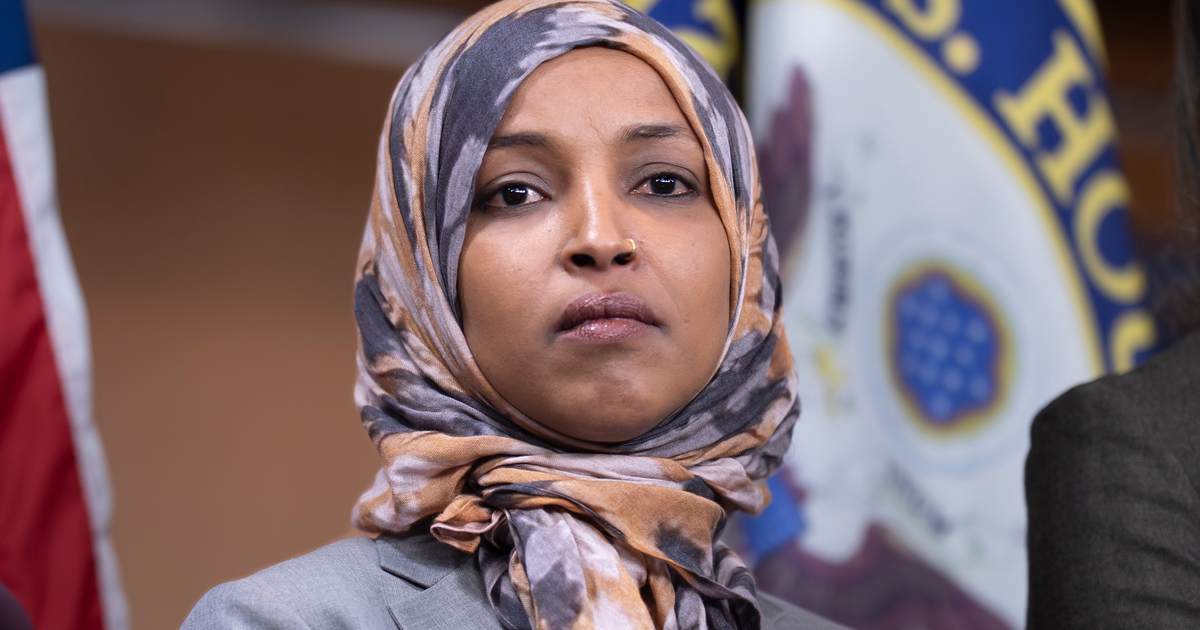
Federal Raid Targets Omar Amid Unresolved Name and Marriage Allegations
Agents searched Rep. Ilhan Omar's DC residence over immigration fraud allegations; she called it bizarre. Reports and commentary questioned her birth name and past marriage details.

Supreme Court Upholds New Hampshire Student ID Voting Ban
The Supreme Court upheld New Hampshire's ban on student IDs as valid voter identification just before midterms, affecting a tight Senate race.
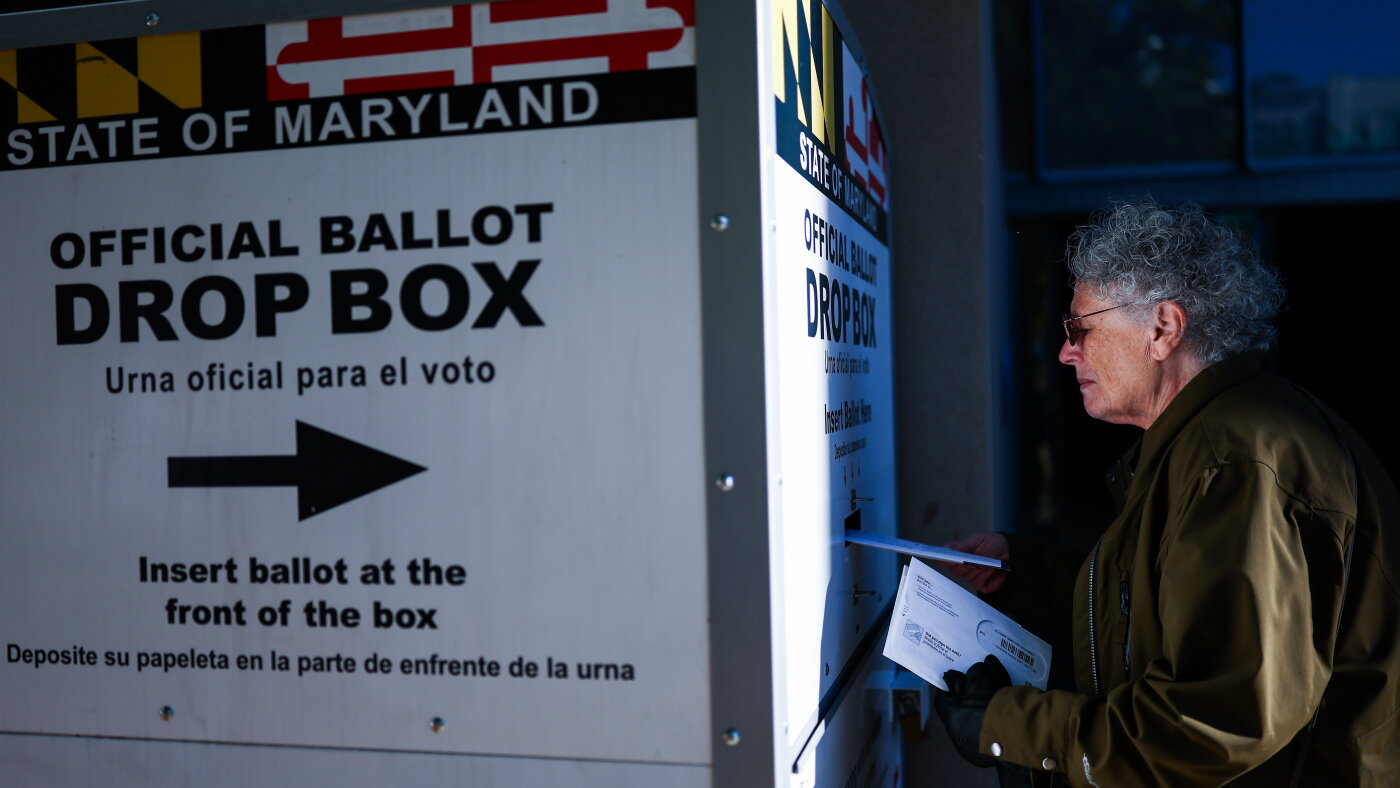
Early Voting Hits 21 Million as Most Trust Midterm Accuracy
Millions have already voted early as parties make final appeals amid $1.4 billion in ad spending; polls show confidence in election accuracy.
The Compass
You just read five takes on one story.
What's your take? Find your political shape in a few minutes.
Take the test